
Selective and Environmentally Conscious Sourcing
This research identifies promising feedstocks for recovering critical materials used in advanced manufacturing.

Revolutionizing Critical Material Extraction
The selective and environmentally conscious sourcing focus area aims to revolutionize extracting and processing critical materials from natural ores and secondary sources. INL improves critical material recovery rates by leveraging advanced beneficiation technologies and in-depth geological and geochemical insights. Our research aims to create innovative, cost-effective mining practices.
Resource Assessment
Evaluate geologic potential and identify promising domestic sources of critical materials.
Data Integration
Integrate advanced modeling and characterization to inform decisions across the value chain.
Sustainable Solutions
Advance responsible sourcing and processing to support resilient, low-impact supply chains.
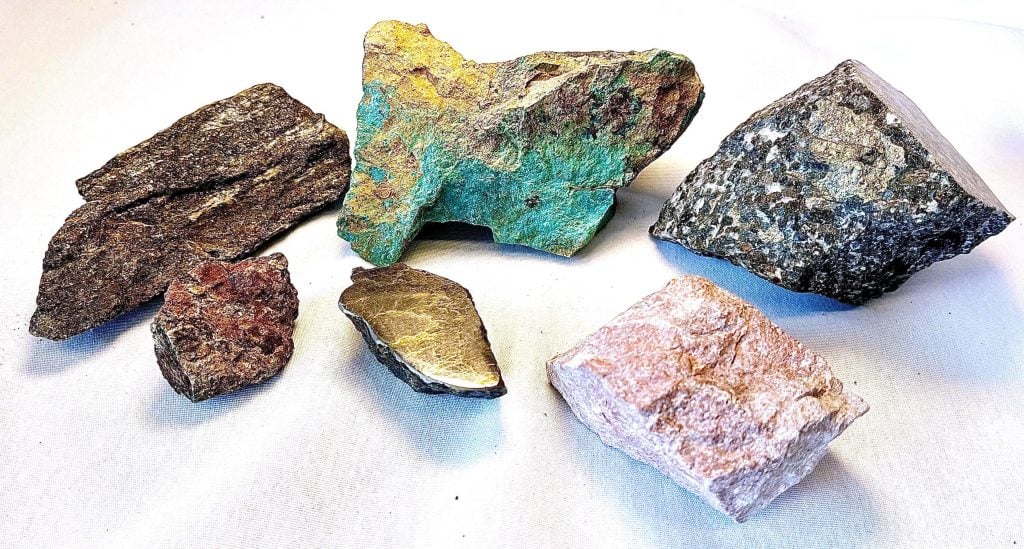
Geosciences
INL uses cutting-edge techniques to study Earth’s resource potential. Our geoscience teams advance the exploration and management of critical materials, geothermal resources and geologic hydrogen. We integrate field investigations, laboratory analyses and computational modeling to identify and assess critical material deposits, optimize extraction and explore geologic hydrogen resources.
Our work supports energy development, informs decisions and ensures American energy dominance and security.
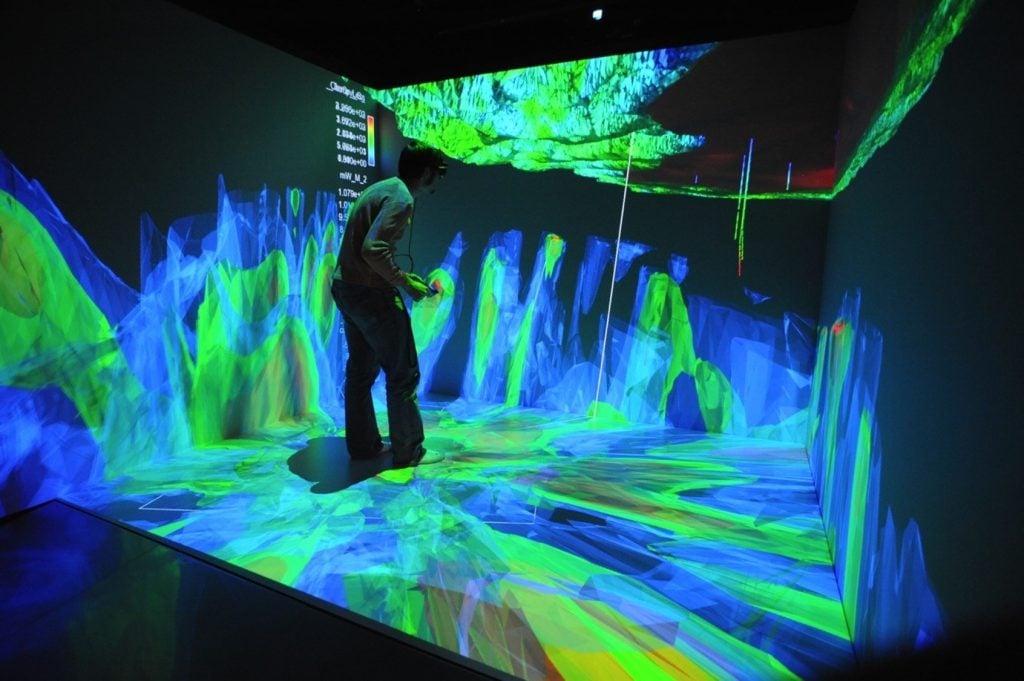
Earth and Geologic Modeling
Our Earth and geologic modeling team uses advanced software, integrating seismic, geophysical and geochemical data to visualize and simulate subsurface geological formations. We use these simulations to create accurate and predictive models of the Earth’s surface and subsurface, enhancing decision-making for efficient and safe resource use.
Our capabilities include spatial analysis and 3D geological modeling, enabling detailed earth models for resource exploration and safety enhancement. Our integrated approach ensures responsible management of geological resources and energy and resource strategies to support America’s agenda.
Beneficiation and Comminution
Our beneficiation capabilities enhance the quality of ores, making them more economically valuable and improving the quality of critical materials found within them. We employ advanced techniques and state-of-the-art equipment for physical separation and chemical processing to maximize the efficiency and sustainability of extraction. Our process involves thorough analysis and treatment of ore and mineral feedstocks to remove impurities and enhance their properties.
By combining methods such as crushing, grinding and flotation, and effective data communication and analysis, we ensure that valuable and critical materials are extracted efficiently. This integrated approach supports the development of high-quality materials for various industrial applications, promotes the responsible and effective use of mineral resources, and contributes to economic prosperity and America’s national security.
INL’s beneficiation and comminution expertise improves ore quality, maximizes recovery of critical materials, and supports more efficient, sustainable mineral processing.
Geochemistry and Geochemical Modeling
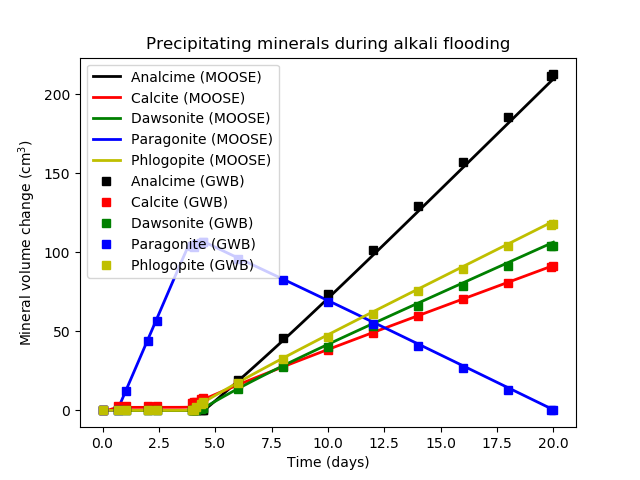
Geochemical modeling can determine the presence of critical materials and help understand their production processes. INL has decades of experience evaluating resource production, evolution, optimization and the effects on geology and groundwater.
Our team uses the Multiphysics Object-Oriented Simulation Environment (MOOSE) Geochemistry model developed at INL for geochemical modeling.
Reservoir Modeling
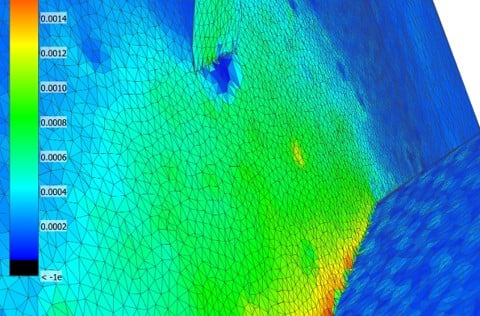
INL’s Fracturing And Liquid CONvection (FALCON) and Multiphysics Object-Oriented Simulation Environment (MOOSE) framework provide advanced modeling and simulation capabilities for subsurface systems. These tools can simulate fluid flow, heat transport and rock mechanics in porous and fractured rocks.
The FALCON code is used for applications in mining, subsurface energy extraction and storage, contributing to advancements in enhanced geothermal systems and other subsurface technologies, including projects like the Frontier Observatory for Research in Geothermal Energy.
Autonomous Systems
The Autonomous Systems for Harsh Environments (ASHE) program develops advanced autonomous and remote operation systems. These systems operate reliably and safely in environments with high radiation, extreme temperatures and other hazards. ASHE’s capabilities support applications such as handling critical materials and minerals, ensuring efficient and secure operations in challenging environments.
Our program team excels in robotics, automation, controls, artificial intelligence, machine learning, and sensor system development and integration.
INL develops autonomous systems that operate safely and reliably in some of the world’s most challenging environments, helping advance critical material handling through robotics, artificial intelligence, and remote operation.
Robotic Separations
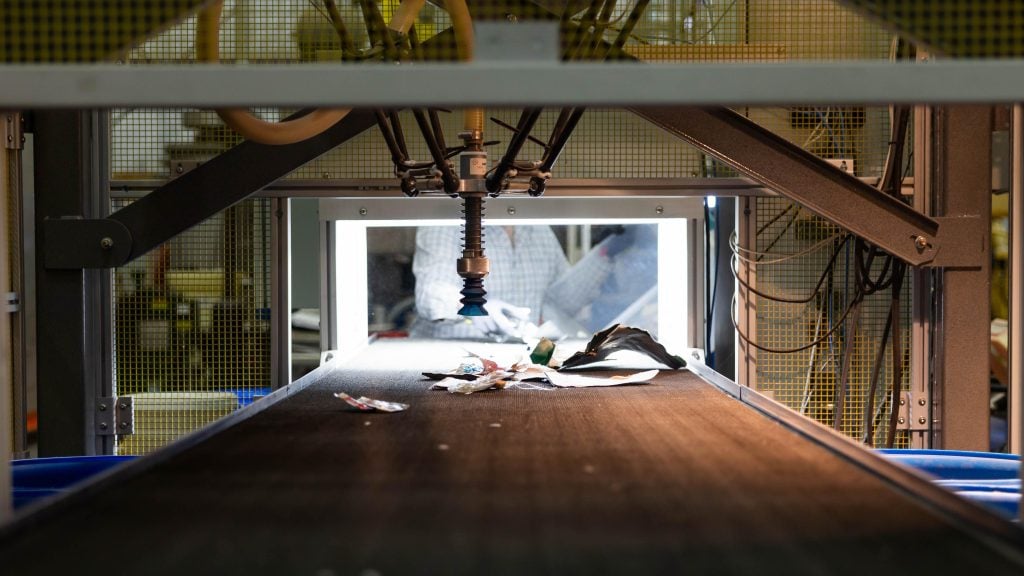
INL’s robotic separations capabilities make critical material recovery and processing more precise and efficient. Our team develops advanced robotics and sensors that can process primary and secondary critical material streams, improve material separation and processing, and use artificial intelligence to boost the efficiency of physical separation.
Robotic sorters can identify critical materials during the recovery process based on their light wavelength, detect induced fluorescence and analyze composition based on how a material absorbs or reflects light.
Connect with our Team
Whether you’re interested in critical materials research, supply chain challenges or collaboration opportunities, our team can connect you with the appropriate researchers and technical experts at INL.