
INL Strategic Tribal Engagement (ISTE)
Advancing meaningful tribal engagement at Idaho National Laboratory
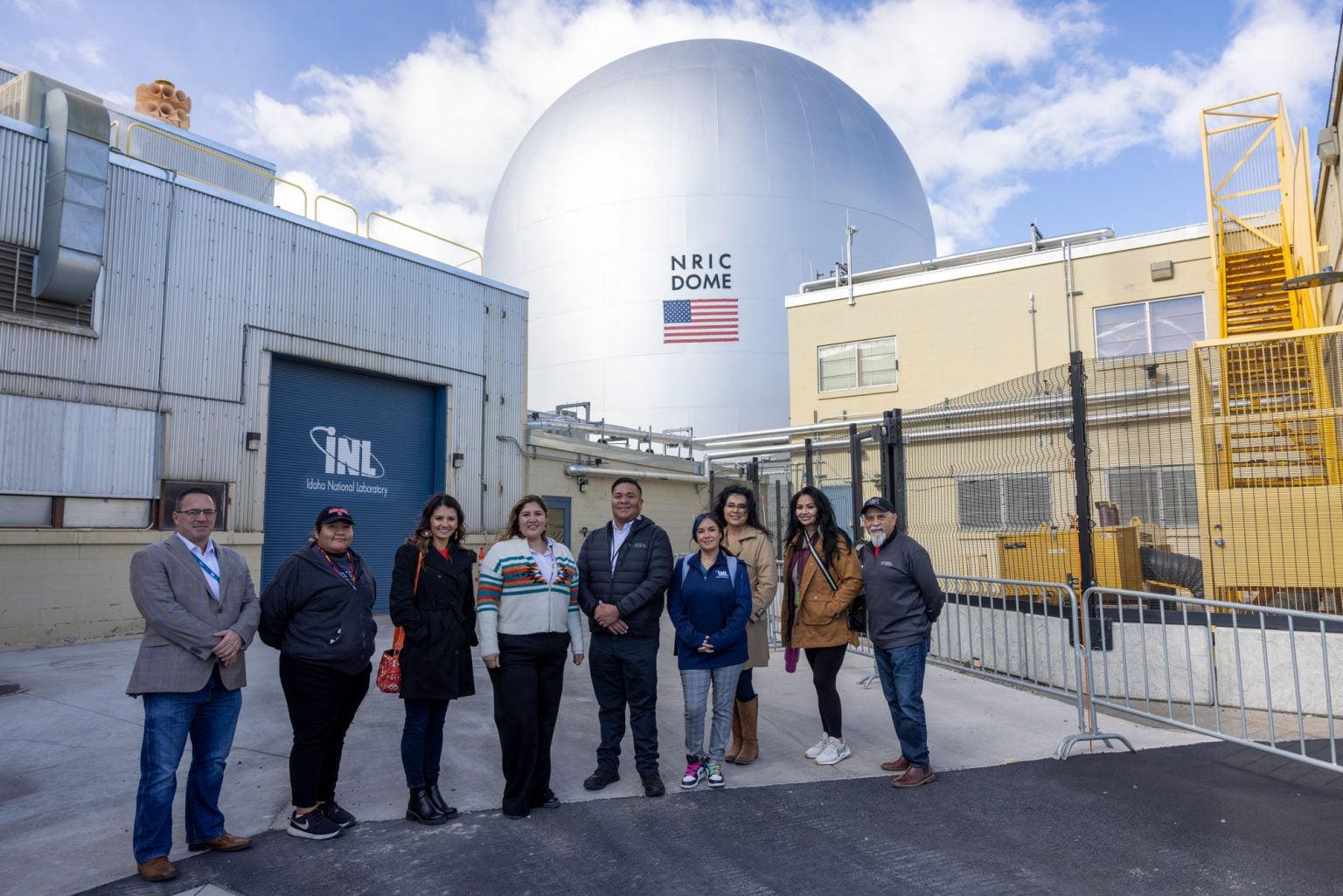

Building Partnerships with Tribal Nations
INL Strategic Tribal Engagement (ISTE) strengthens respectful, long-term partnerships between the Idaho National Laboratory and tribal nations. Through coordinated engagement, education and collaboration, ISTE supports relationships that advance research, workforce development and community impact.
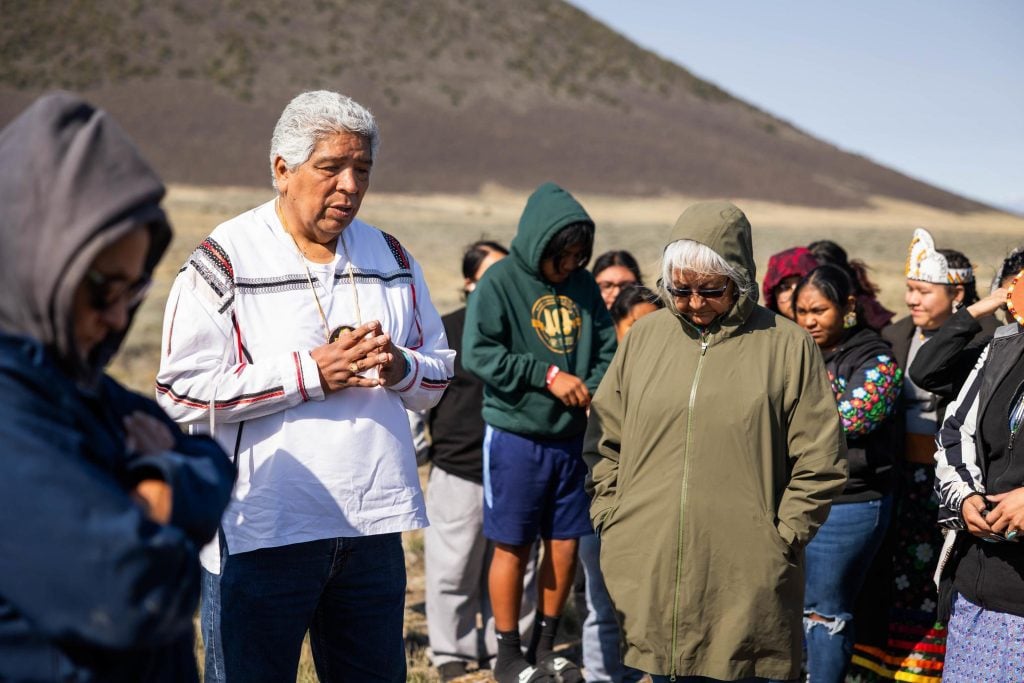
Mission
ISTE builds respectful, long-term partnerships with tribal nations by advancing shared environmental, scientific and community priorities while honoring tribal sovereignty and cultural values. At INL, ISTE supports early, meaningful and sustained engagement that strengthens relationships, improves project outcomes and incorporates Indigenous knowledge into research and operations.
Why Tribal Engagement Matters
Idaho National Laboratory operates on lands of deep cultural and historical significance to tribal nations. Meaningful engagement strengthens INL’s mission by:
- Honoring tribal sovereignty and self-determination
- Supporting federal trust responsibilities and treaty obligations
- Protecting cultural and environmental resources
- Strengthening transparency and improving project outcomes
- Integrating Indigenous knowledge into decision-making
- Building long-term, trust-based partnerships
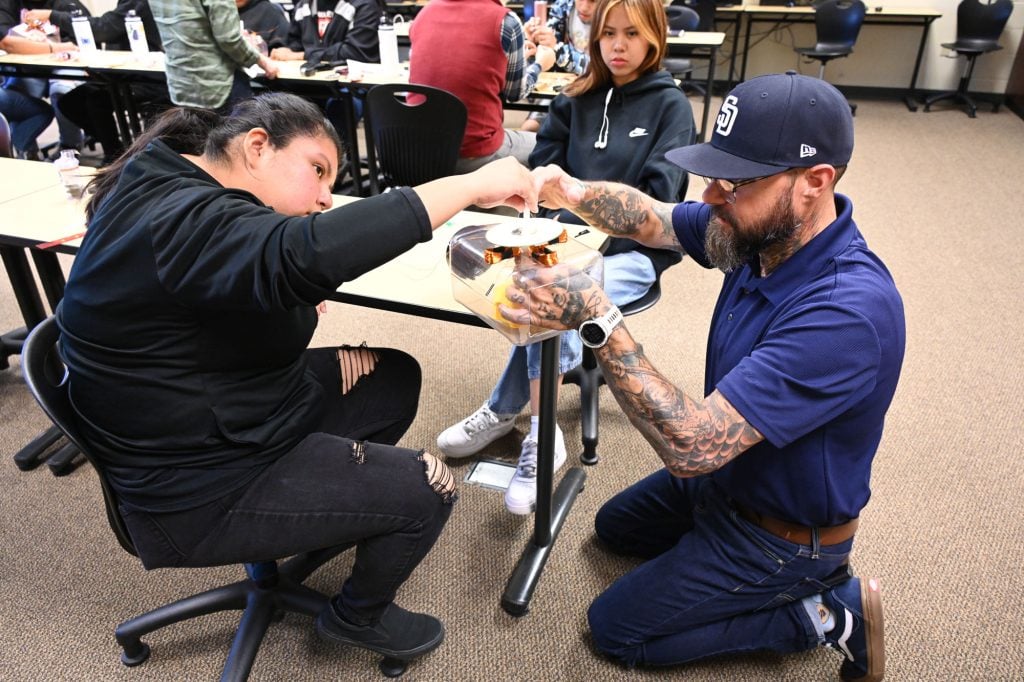
Principles for Engagement
All engagement supported by ISTE is guided by the following principles:
- Respect for sovereignty: Recognize tribal nations as sovereign partners
- Early and ongoing engagement: Engage at the earliest stages and maintain communication
- Transparency and accountability: Provide clear information and follow through on commitments
- Cultural respect: Honor traditions, protocols and perspectives
- Build long-term relationship: Prioritize sustained partnerships
- Compliance and ethics: Follow applicable laws and policies
Tribal Sovereignty Basics
Tribal nations are sovereign governments with inherent authority over their lands, cultures and futures.
The United States maintains a government-to-government relationship with federally recognized tribes, guided by treaties, federal law and trust responsibilities.
At INL, engagement efforts respect and uphold tribal sovereignty through meaningful collaboration, cultural understanding and early engagement in activities that may affect tribal interests.
- Tribal nations are sovereign governments with inherent authority to govern themselves.
- Sovereignty includes the authority to establish governance systems, enact laws, manage lands and resources and preserve cultural identity.
- Tribal nations are not stakeholders but sovereign governmental partners.
- Engagement must reflect this unique political and legal relationship by respecting tribal governance structures, decision-making processes and cultural protocols
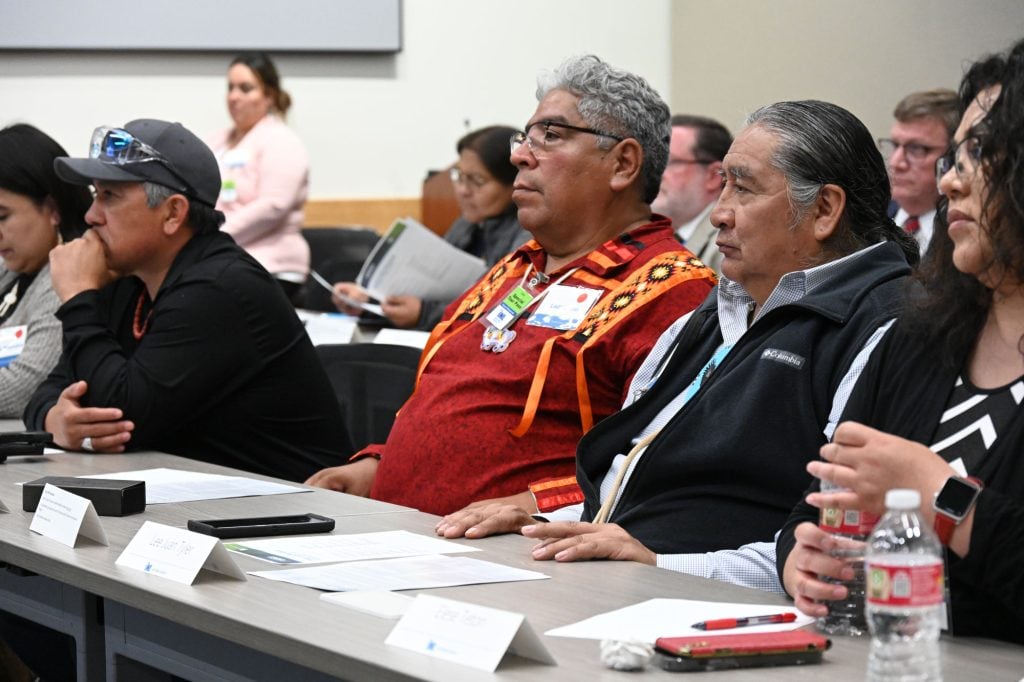
Supporting Federal Tribal Engagement Responsibilities
ISTE aligns with federal requirements governing tribal relations, including Department of Energy Order 144.1 and other consultation policies.
While the Department of Energy conducts formal government-to-government consultation, INL supports the process by facilitating communication, providing information and promoting early, transparent and respectful engagement with tribal nations.
What Success Looks Like
Effective engagement results in:
- Trusted and sustained relationships with tribal nations
- Early and consistent engagement across programs and projects
- Increased tribal participation in workforce and research initiatives
- Demonstrated alignment with federal requirements and tribal priorities
Connect with our Team
Questions about INL’s tribal engagement efforts or opportunities for collaboration?
Our team is ready to connect you with the right experts and resources at INL.