
Critical Materials Research
INL develops technologies that strengthen domestic critical materials supply chains and support America's energy and technology future.

What are Critical Materials?
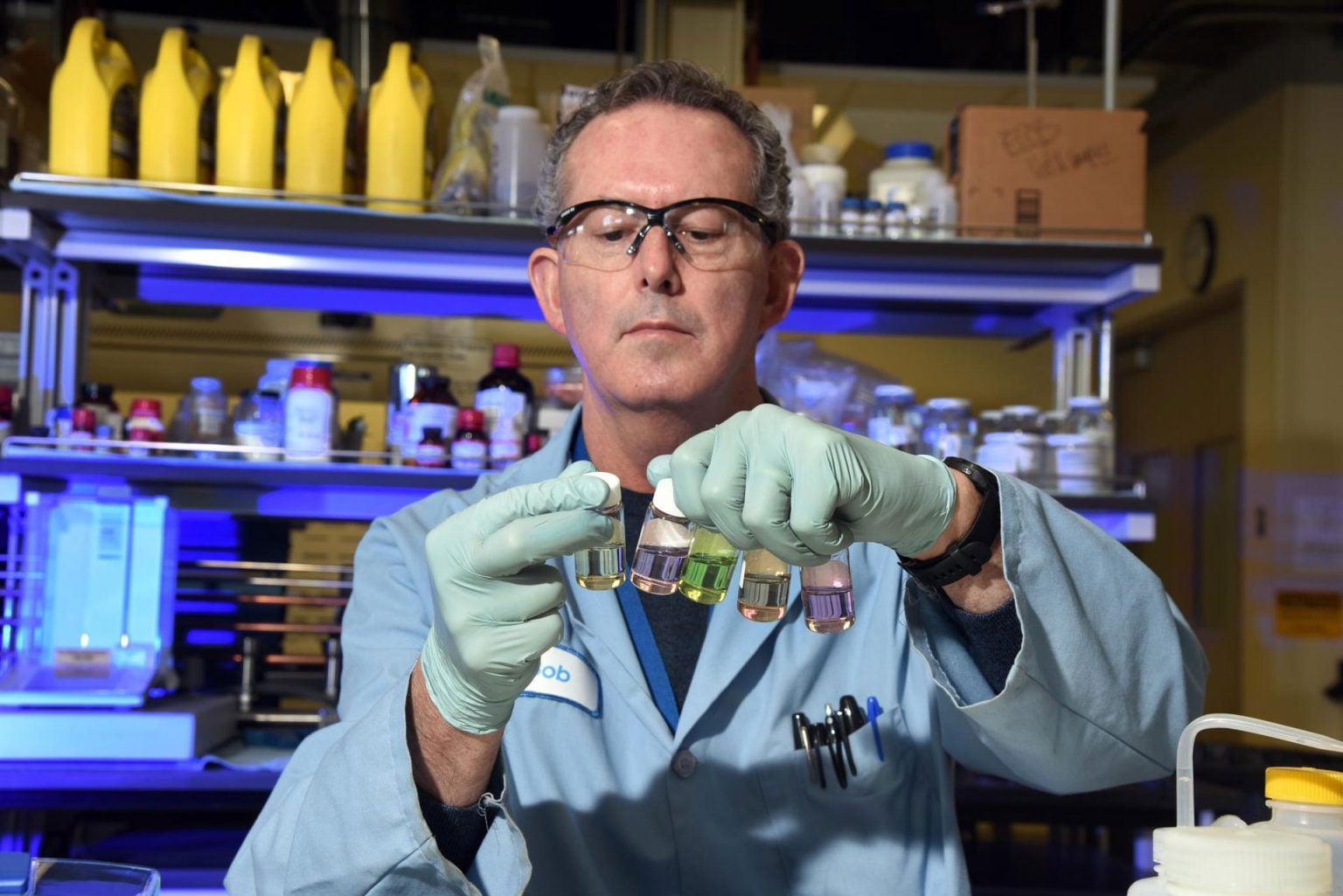
Critical materials are natural resources that support advanced manufacturing, energy technologies, national security systems and consumer electronics. They are considered critical because reliable access to these materials is essential, while global production and processing are concentrated in relatively few countries.
What makes a material critical?
Although the United States has identified deposits of many critical materials, much of the world’s processing capacity is concentrated overseas, making reliable access an important economic and national security consideration. Criticality is determined by multiple factors, including the importance of a material to key industries and the risk of supply disruption.
Essential to key industries
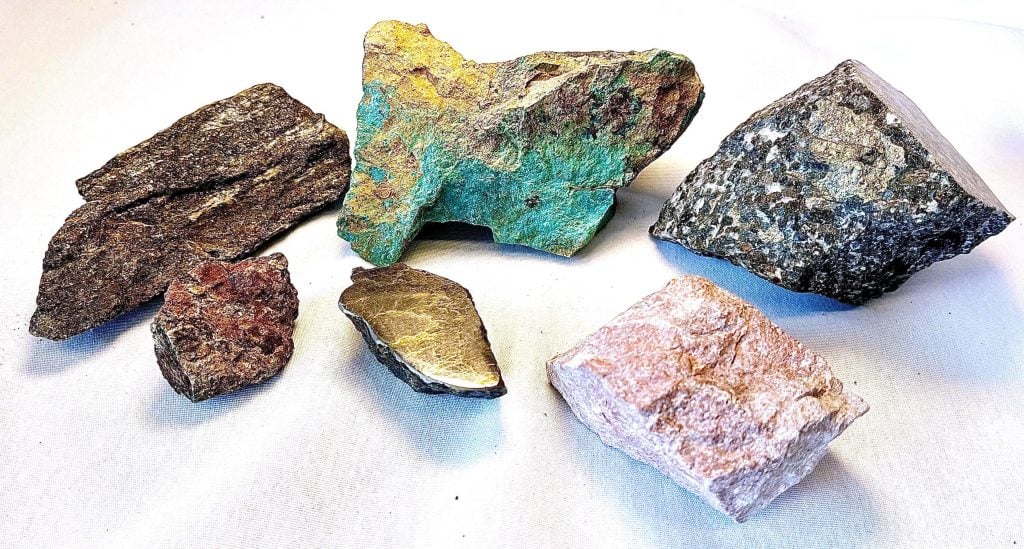
A material is considered critical when it supports technologies that are essential to energy, advanced manufacturing, communications and national defense.
Vulnerable to supply disruption
A material is considered critical when production or processing is concentrated in relatively few countries, increasing the risk of supply disruption.
Limited domestic processing
A material is considered critical when the United States depends on processing capacity outside the country for reliable access.
Where Critical Materials Are Used
Critical materials support technologies used every day, from power generation and advanced manufacturing to communications, transportation and national defense.
Energy
- Lithium
- Nickel
- Cobalt
- Graphite
Supports batteries, energy storage, electric infrastructure and grid technologies.
Defense
- Rare Earth Elements
- Tungsten
- Titanium
- Niobium
Used in aerospace, communications, guidance systems and defense applications.
Electronics
- Gallium
- Germanium
- Silicon
Supports semiconductors, electronic devices and high-performance computing technologies.
Nuclear
- Uranium
- Zirconium
- Hafnium
Supports nuclear fuels, reactor systems and advanced nuclear technologies.
Critical Materials Supply Chains
The United States has identified deposits of many critical materials, but access to these resources depends on more than mining. While production is distributed across multiple countries, much of the world’s processing capacity is concentrated overseas—particularly in China for several key materials. Strengthening domestic processing, recovery and recycling capabilities can help reduce supply chain risks and improve long-term resilience.
Production
Mining and production occur across several countries.
Earths
Processing
Processing capacity is concentrated in relatively few countries.
Earths
How INL Advances Critical Materials Research
The Critical and Strategic Minerals and Materials Initiative advances research that strengthens domestic critical materials supply chains through advanced characterization, mineral processing, recovery technologies and feedstock development. These research areas improve resource efficiency, strengthen manufacturing capabilities and support reliable access to critical materials.
Characterization
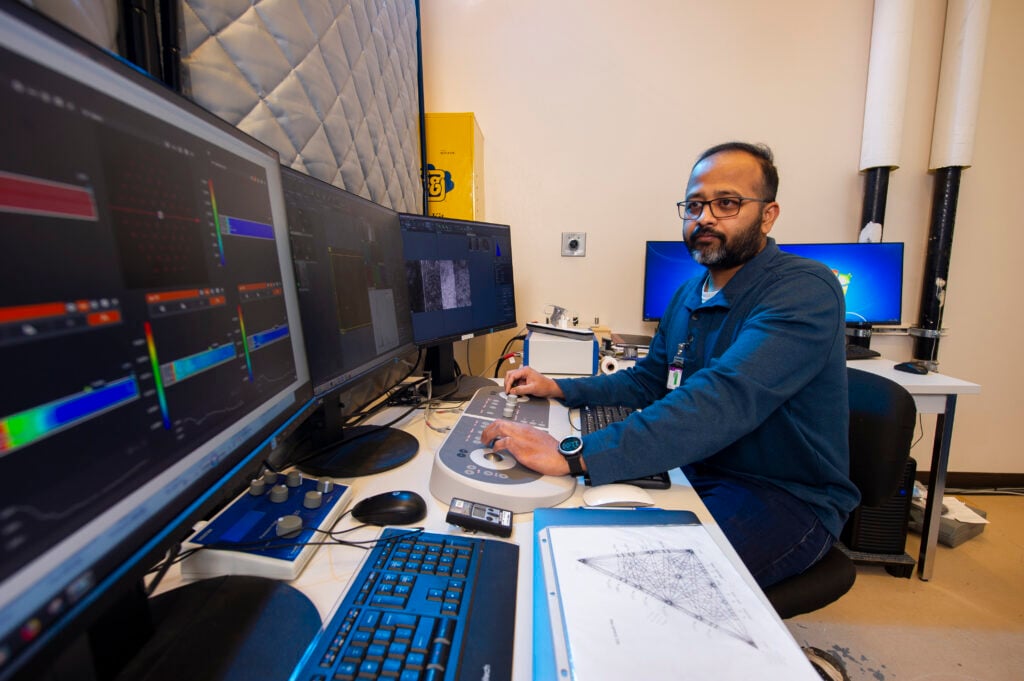
Advanced characterization to understand the mineralogy, chemistry and behavior of materials across the entire value chain.
Selective Sourcing
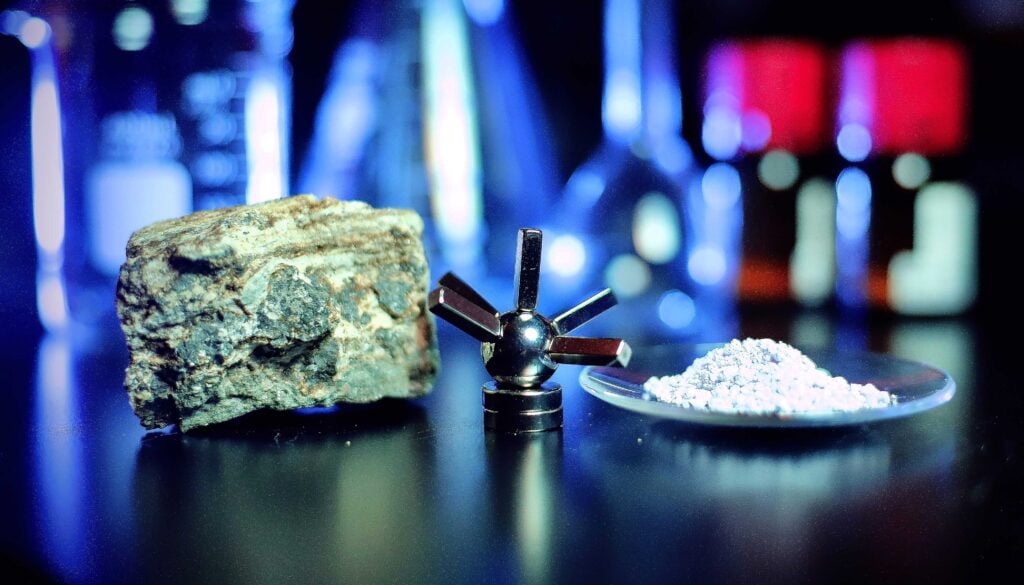
Innovative methods to identify, evaluate and concentrate valuable minerals from diverse geologic sources.
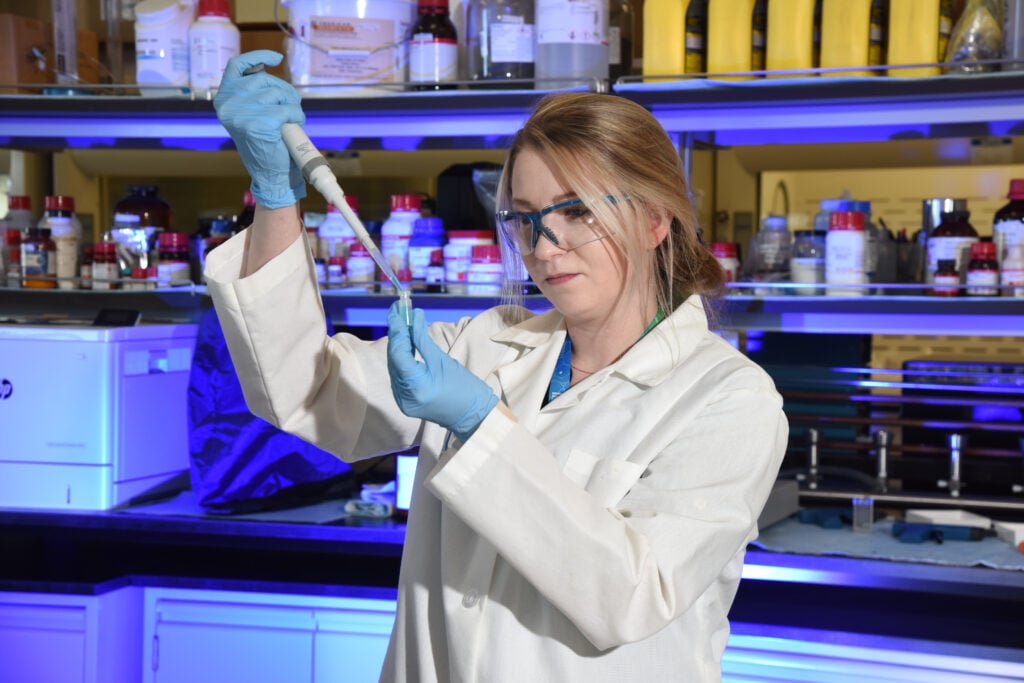
Sequential Separations
Separation technologies designed to efficiently recover and purify critical materials.
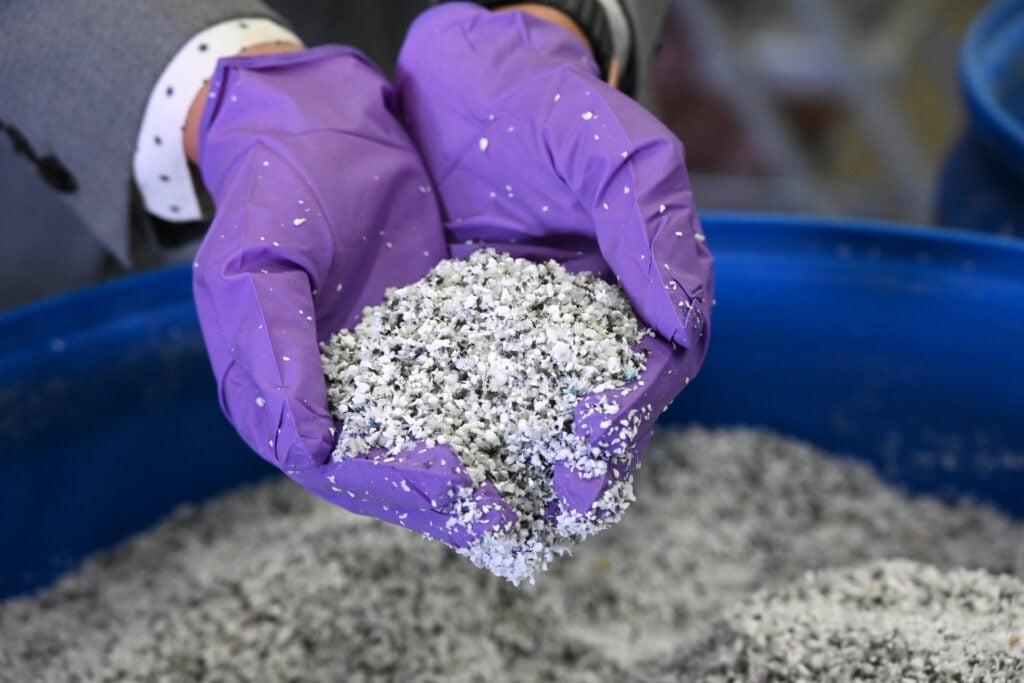
Feedstocks for Advanced Manufacturing
Development of high-purity feedstocks and materials that enable advanced manufacturing and emerging technologies.
Naturally Occurring Radioactive Materials (NORM)
Naturally occurring radioactive materials (NORM) are substances found in the environment that emit low levels of radiation. NORM occurs in many mineral resources, including those containing uranium, thorium and radium.
INL’s expertise in critical materials research helps industry better understand resource characterization, recovery pathways, environmental impacts and regulatory considerations to support responsible resource development.
Supporting Capabilities
Critical materials research draws on expertise from across the Idaho National Laboratory. These capabilities strengthen research by improving manufacturing processes, evaluating supply chains, applying advanced data analysis and supporting responsible management of nuclear materials.
Manufacturing Technologies
Manufacturing technologies and process development help improve material quality, production methods and the transition from laboratory research to industrial applications.
Nonproliferation & Security
Expertise in nuclear materials, safeguards, security and regulatory considerations supports the responsible recovery, processing and management of critical materials.
Market and Supply Chain Analysis
Market and supply chain analysis helps evaluate resource availability, technology adoption and domestic production capacity. These capabilities support critical materials research through supply chain modeling, risk assessment and socioeconomic analysis.
Data Science & Artificial Intelligence
Artificial intelligence, machine learning and data analytics support critical materials research by accelerating discovery, analyzing complex datasets and improving process optimization.
Resources
Publications, videos and feature stories provide additional insight into INL’s critical materials research, technologies and collaborations.
Featured Reports
In-depth analyses of critical materials recovery, resource development and domestic supply chains.
Video Resources
E-RECOV, Electrochemical Recycling Electronic Constituents
Electronic waste contains valuable critical materials that can be recovered and returned to the supply chain. This video highlights E-RECOV, an INL technology that recovers metals from discarded electronics for reuse.
Battery recycling strengthens domestic critical materials supply chains. This video highlights EC-Leach, an INL technology that recovers valuable battery materials for reuse.
Domestic processing is essential to strengthening critical materials supply chains. This video highlights RE-Metal, an INL technology that converts rare earth oxides into high-value metals.
News Stories
FORESIGHT: An AI-enabled framework for critical materials supply chain resilience
Critical materials supply chains are complex, globally interconnected networks that enable access to materials that are essential for energy systems, advanced manufacturing and national defense. These [...]
INL hosts ribbon cutting for pilot plant supporting domestic antimony production
The United States is one step closer to securing a domestic supply of antimony trisulfide, a critical mineral essential to national security, with the commissioning of [...]
A generational ‘moonshot’: INL’s mining enhancements extract vital resources from rocks
One of the United States’ most urgent challenges is securing a reliable domestic supply of critical materials and minerals essential for technologies like smartphones, satellites, computer [...]
Connect with our Team
Whether you’re interested in critical materials research, supply chain challenges or collaboration opportunities, our team can connect you with the appropriate researchers and technical experts at INL.
Additional Resources