The Idaho National Laboratory produces world-class, cutting-edge research in fields such as nuclear energy, cybersecurity and critical infrastructure, but there are still a lot of people who don’t know what goes on at the lab.
When April Augustine took her job three years ago as manager of INL’s National Security Workforce Development Programs, she quickly recognized the need for an event to showcase what the lab has to offer to teachers and students.
“There’s only one me, and there are 1,000 universities,” she said. “As much as we think we’re a known commodity, you go out there and you learn there are a lot of people who don’t know anything about us.”
To get the word out, Augustine founded INL University Days.
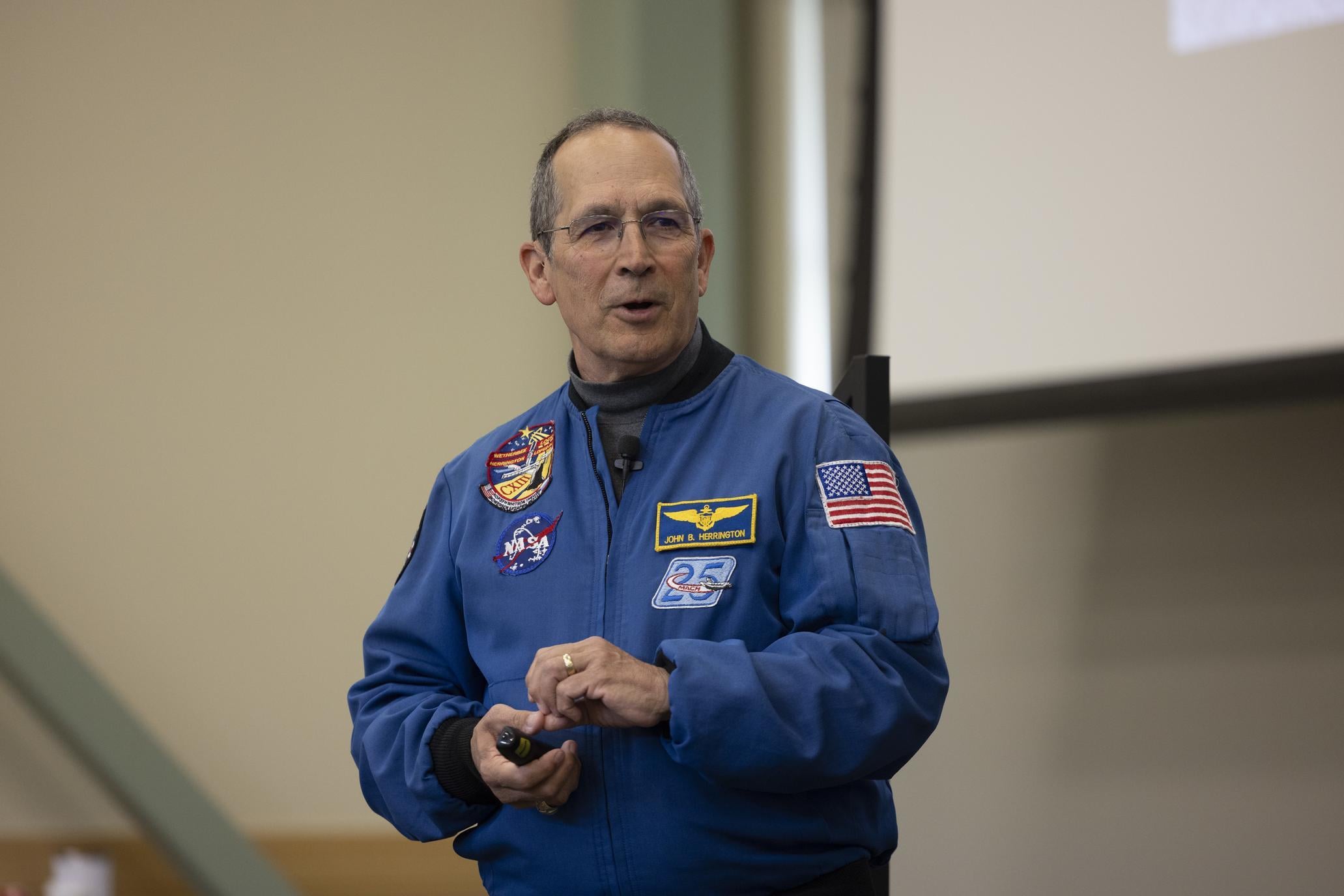
Now in its third year, this year’s event focused on “The Future of Collaborative Pathways.” For three days in May, the event highlighted the importance of building strong partnerships between INL and universities, building connections, fostering collaboration and shaping future opportunities.
The event featured networking sessions; technical breakout discussions in areas such as artificial intelligence, machine learning and wireless communications; and a poster session for sharing research. The final day highlighted workforce development initiatives and concluded with a panel reviewing key takeaways and outlining next steps. The event aimed to spark new grants, partnerships, research projects and internships.
Making expertise more visible
Augustine said it’s essential for national labs to make their expertise more visible and accessible. “We’ve got to get our researchers out of the back corners,” she said, underscoring the need for technical experts to actively engage with universities, students and external partners.
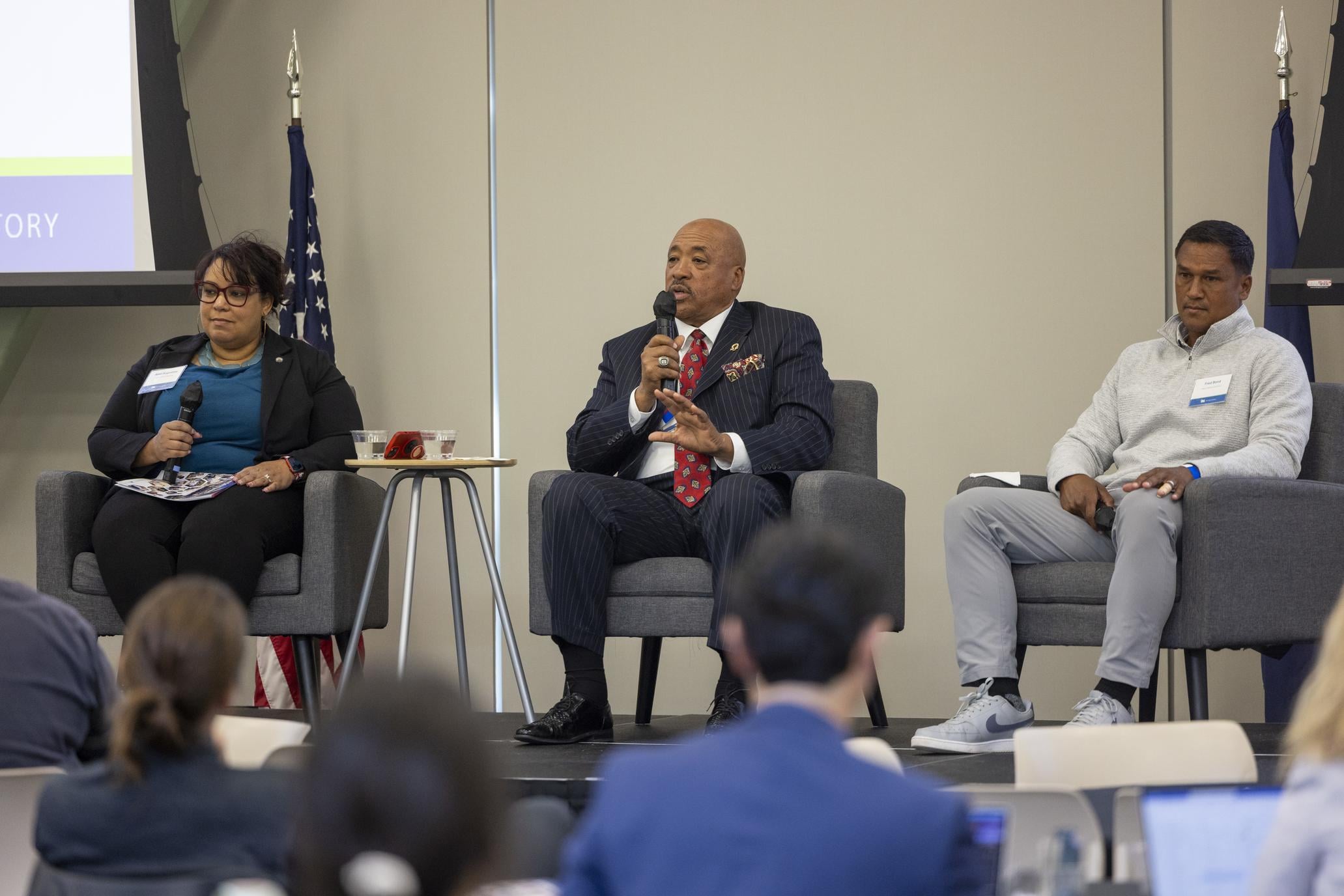
Regarding workforce development, sometimes a “nearest neighbor” philosophy can help in the search for talent. Innovation often comes from unexpected disciplines and perspectives. For example, pharmacy school students can possess valuable radiochemistry training relevant to national laboratory work.
The best way to build relationships is by focusing on possibilities and collaborative problem solving. “We want to know how we can we put our knowledge into your university, and we want to hear from you, ‘We’re working on this problem … here’s what we need,’” she said.
“I don’t typically get to work with students who are still doing their coursework,” said Julia Morgan, an INL researcher who presented on GridTechPedia, a tool she has helped develop for evaluating emerging grid technologies. “This is an opportunity to establish relationships, if not with students, then with professors. We can get a better idea of what their priorities are and what resources might be available to them.”
Scholarship for Service
University Days is only one aspect of INL’s collaboration with schools across the nation to develop talent. The Scholarship for Service programs are another productive pipeline. These initiatives involve the government or sponsoring organization paying for a student’s college education in exchange for a mandatory period of post-graduation employment.
The CyberCorps SFS program, funded by the National Science Foundation, is aimed at building a strong cybersecurity workforce for federal, state, local and tribal governments. The Science, Mathematics, and Research for Transformation program is specifically designed for STEM students.

Lauren Ortiz learned about INL’s broad cybersecurity and national security capabilities at an SFS job fair. An INL internship followed in February 2025, and she was hired as a modeling and simulation professional later that year.
Ortiz’s current work involves using language models to help identify and repair vulnerabilities in semiconductor supply chain code, something she first became interested in around 2022 while working for a small manufacturer in the Southwest. “I’ve learned a lot about the tools available at INL, and about the research process,” she said.
Beyond SFS, INL offers joint appointments and postdoc programs focused on technical competencies and professional development. Recognizing the talent in the U.S. armed forces, the lab participates with the Air Force and Space Force to offer fellowships that help develop and sustain strong homeland security workforce pathways. In these fellowship programs, active-duty officers spend a year addressing operational gaps with the lab’s extensive capabilities, pressure-testing concepts in realistic and at-scale conditions and environments.
INL also participates in the War Department’s SkillBridge program, which allows service members to work with industry, nonprofit and public-sector organizations while they continue to receive military pay and benefits. SkillBridge provides a practical way to explore roles, grow skills and translate military experience into civilian impact.
Mentoring culture
Ortiz credits INL’s mentorship culture as one of the most important parts of her transition to full-time work. She has worked with both formal and informal mentors who have guided her not only on technical research projects, but also on communication, collaboration and navigating professional relationships. That support has provided exposure to a wide range of research tools and processes as she takes on increasingly advanced responsibilities, including serving as a co-principal investigator on a Laboratory Directed Research and Development proposal.
Collaborative events such as University Days work hand in hand with SFS to create opportunities for networking, generating research ideas and finding collaborators across disciplines.
Art Conklin, emeritus professor at the University of Houston and an INL joint appointee for 10 years, said University Days is an event not to be missed. His first connection at INL was Ginger Wright, and through her he became the education lead on Cyber-Informed Engineering.
“The smartest people in the world come here,” he said. “This is one of the better acts in town. There are no silos, no walls in the way. The right people are on the right problems. It opens your eyes to things you’ll never see in institutions.”
Looking forward
For Augustine, University Days is less a destination than a starting point. “This is about planting seeds,” she said. “We want every college that walks through our doors to leave with something they can act on — and we want to still be talking a year from now.”
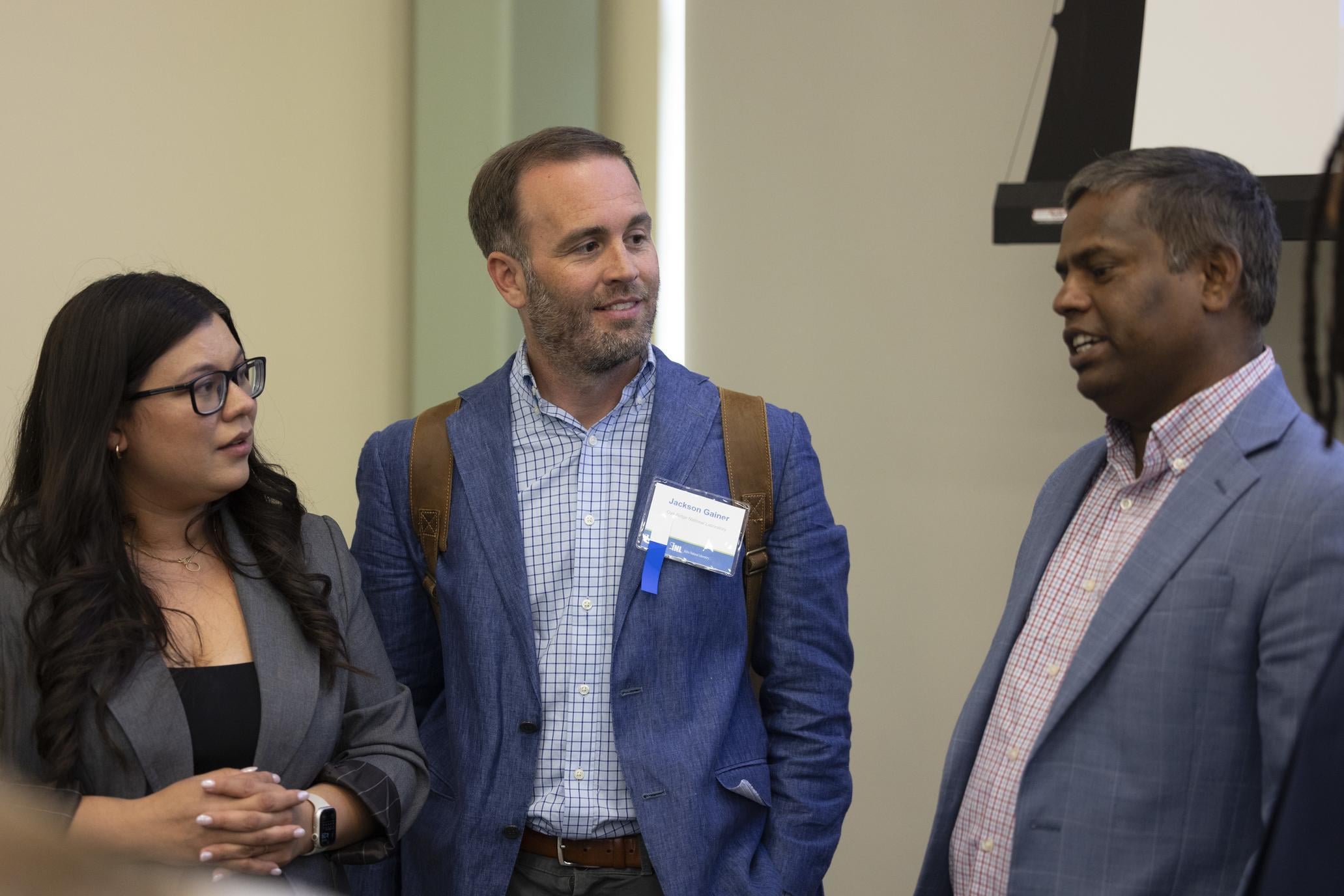
Augustine has no illusions about the scale of the challenge. With hundreds of universities across the country and a lab whose capabilities remain underappreciated in many corners of academia, she knows that one annual event cannot do the work alone. But she believes the momentum built through University Days — combined with programs like SFS, joint appointments and fellowships — creates a flywheel effect, where each new relationship makes the next one easier to forge. Her goal for the coming year is to deepen the engagement with schools that attended this year’s event and expand INL’s reach into institutions that have yet to discover what the lab has to offer.
“I want us to go wider and deeper at the same time — more universities in the room, and stronger ties with the ones who’ve already been here,” she said.
To learn more about research, workforce development and engagement opportunities, contact NSWorkforce@inl.gov or visit our website at https://inl.gov/national-security/workforce-programs/