The United States is one step closer to securing a domestic supply of antimony trisulfide, a critical mineral essential to national security, with the commissioning of a new modular mineral processing plant at the Idaho National Laboratory.
The plant will initially process ore mined from Perpetua Resources’ Stibnite Gold Project to characterize and separate out antimony. The U.S. currently relies on foreign sources for antimony, an essential component in Army munitions, creating a vulnerability in the critical materials supply chain that could threaten national security. The plant will operate 24 hours a day, processing approximately one ton of material per day.
“From the mountains of central Idaho to the national laboratories advancing America’s defense and energy capabilities, today’s milestone shows what’s possible with industry, government, and scientific innovation work together on practical domestic solutions,” said Jon Cherry, president & CEO of Perpetua Resources. “As construction advances at the Stibnite Gold Project, this pilot plant extends that momentum downstream by helping establish the capabilities needed to produce military-grade antimony materials here in America. Together, these investments are laying the foundation for a secure, end-to-end domestic supply chain that strengthens national security while creating long-term economic opportunity.”
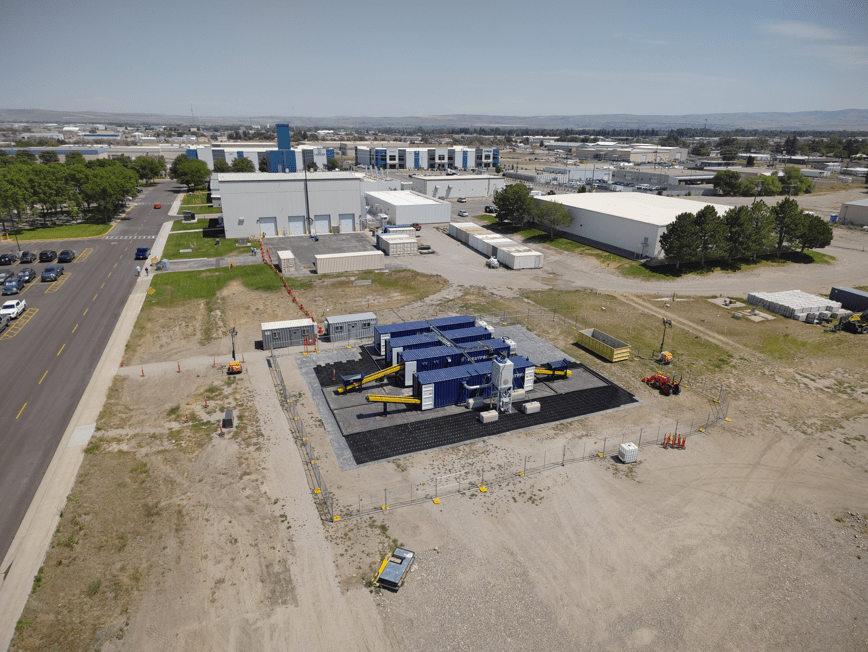
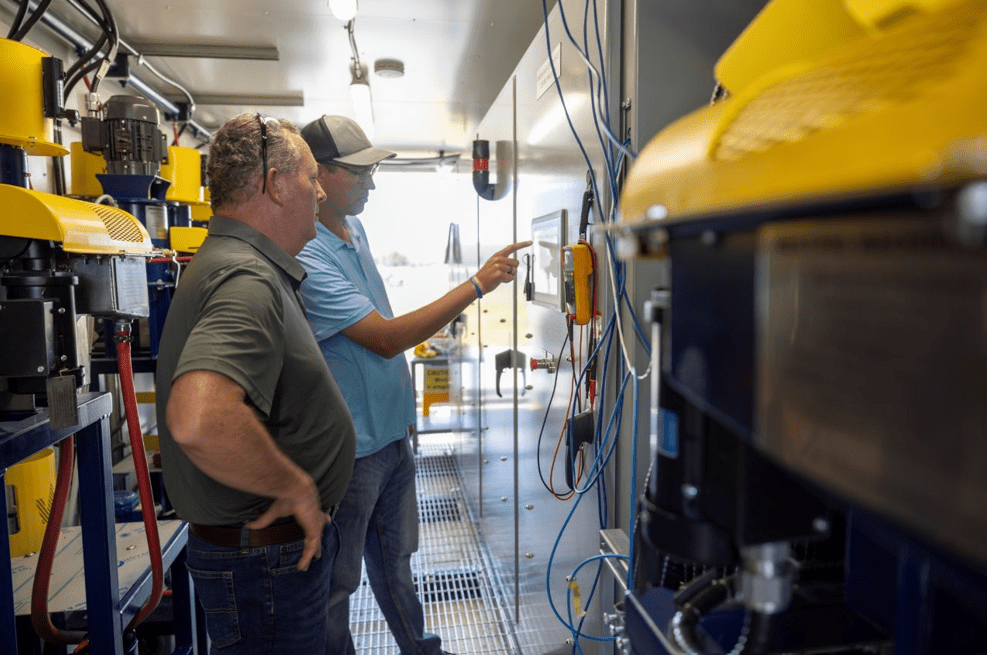
INL experts in critical minerals and materials processing and separation will operate the plant, ensuring the equipment runs smoothly and the material produced meets specifications. The project also demonstrates INL’s growing role in strengthening domestic critical mineral supply chains through pilot-scale testing and advanced process development.
“Proving we can process these materials reliably, efficiently and economically for domestic industry is exactly the kind of work national laboratories are uniquely positioned to do,” INL Laboratory Director John Wagner said. “We’re proud to be part of this effort and look forward to the progress it will enable.”
Funded through the U.S. Department of Defense Ordnance Technology Consortium, the opening of the pilot plant marks a significant milestone in a multiyear collaboration. Since receiving the major components in June, INL staff have installed, powered and brought them online for operator training.
“This pilot plant is more than a demonstration facility. It’s an investment in the nation’s critical mineral future,” Wagner said. “The data and operational experience generated here will help advance domestic antimony production while demonstrating how national laboratories, industry and government can work together to strengthen America’s supply chains and national security.”
Speakers at the ribbon cutting included U.S. Rep. Mike Simpson, R-Idaho; Wagner; Cherry; and INL Directorate Fellow Robert Fox.
“We’ve worked to rebuild America’s critical mineral supply chains because our national security depends on them,” said Simpson. “Today’s ribbon cutting is a significant milestone in that effort. By bringing together Perpetua Resources, the Idaho National Laboratory and the U.S. Army, this project demonstrates how Idaho is helping strengthen our nation’s defense, expand domestic manufacturing capabilities and reduce our reliance on foreign sources of critical minerals. I’m proud to have supported this partnership from the beginning, and I look forward to seeing the important role it will play for our country.”
To learn more about INL’s critical minerals and materials research, visit https://inl.gov/integrated-energy/critical-materials/.
NEWS MEDIA CONTACTS:
INL: Abby Todd, (208) 526-6166, Abby.ToddBloxham@inl.gov
Perpetua: Mckinsey Lyon, media@perpetua.us