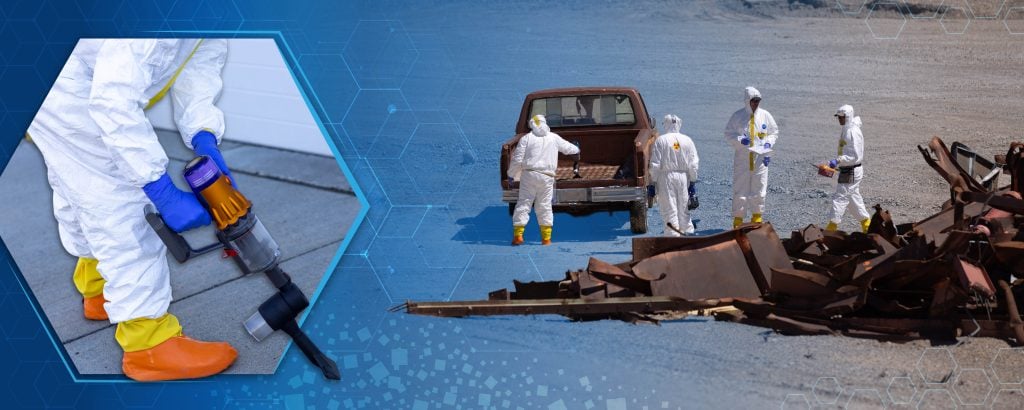
IDAHO FALLS, Idaho — American researchers and engineers first split the atom for usable electricity in Idaho. They built the reactor prototype of the nation’s first nuclear submarine there. They raised more than 50 one-of-a-kind reactors on an 890-square-mile stretch of Idaho desert.
Idaho was the cradle for the first atomic age. Now, decades later, it is again the birthplace of accelerated nuclear innovation that ushers in the next nuclear golden age.
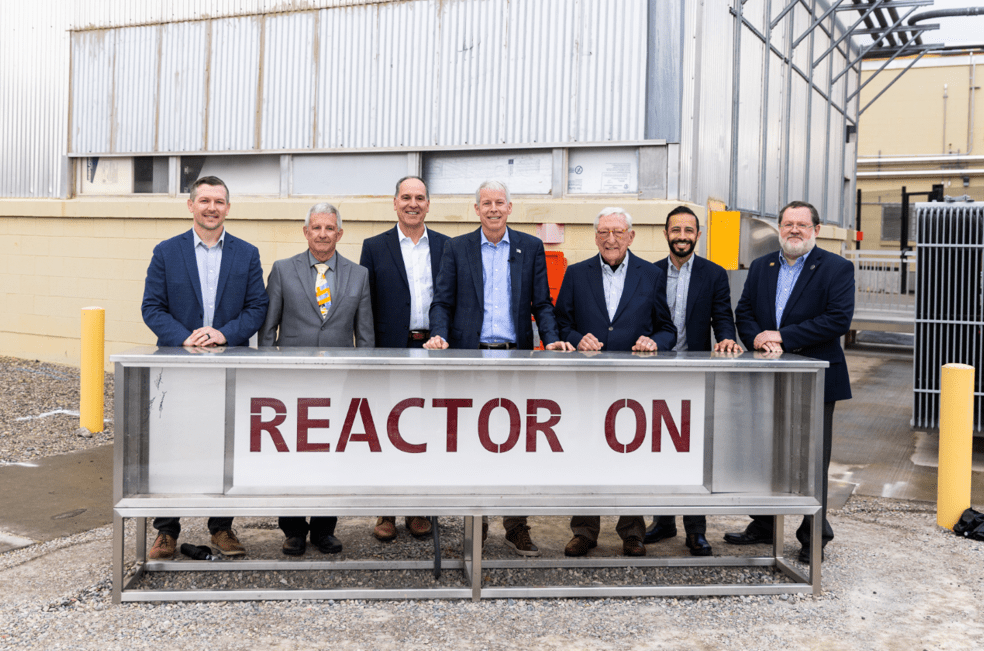
As the nation prepared to mark its 250th birthday in July, four U.S. reactors went critical, reaching the moment a reactor’s chain reaction becomes self-sustaining. All four came online under a new U.S. Department of Energy (DOE) authorization program. Three of those reactors were built at the Idaho National Laboratory (INL), marking the most consequential stretch of milestones the site has seen in a generation.
“What we’ve seen happen at this laboratory over the past two months is the culmination of everything INL was built for,” said INL Director John Wagner. “Three criticalities on our site in a single summer isn’t just a number — it’s a signal that American nuclear innovation has its momentum back.”
In 2025, a White House directive aimed at overhauling federal reactor testing made INL and the region the epicenter of a national sprint to reboot the American nuclear industry before Independence Day 2026. On June 4, an advanced microreactor built by a startup called Antares Nuclear became the first to achieve criticality under DOE’s Reactor Pilot Program. The criticality experiment took place at INL’s Reactor and Critical Experiment facility at the Materials and Fuels Complex. Three more reactors followed by July 4 — two of them sited at INL and one built and tested at a company-built facility in Utah.
A laboratory built on firsts
To understand what is happening in Idaho today, it helps to understand what happened there before.
What is now INL was founded in 1949 as the National Reactor Testing Station, a Cold War project to develop civilian and defense nuclear power technologies on a remote and sparsely populated stretch of eastern Idaho desert. In 1951, it produced one of the most significant scientific achievements of the 20th century: the first use of nuclear fission to generate usable electricity at Experimental Breeder Reactor-I. The site later hosted the U.S. Navy’s first prototype nuclear propulsion plant, which eventually powered the nation’s fleet of nuclear submarines, and 52 reactors — most of them first-of-a-kind designs.
“The history of nuclear energy for peaceful application has principally been written in Idaho,” said John Grossenbacher, then-director of Idaho National Laboratory, in a speech to the Idaho Falls City Club in 2010.
The nuclear industry’s last great wave of commercial construction crested in the 1970s. By the early 2000s, INL’s mission had shifted toward fuel research, safety analysis and the long-term stewardship of the nation’s spent nuclear fuel. It was vital, mostly unseen work, but it kept the laboratory at the center of the nuclear enterprise, even as the procession of new reactors achieving first criticality slowed to a stop.
The Antares Mark-0 was the 53rd reactor built at the INL site since 1951. After a 50-year gap, nuclear innovation and demonstration had resumed — and resumed fast.
“These recent reactor criticalities are proof that INL is back in the business it was built for. The next step is to expand testing from initial criticality to full-power operation, and ultimately to support the path toward commercial deployment,” said Jess Gehin, INL’s associate laboratory director for Nuclear Science and Technology.
The mandate
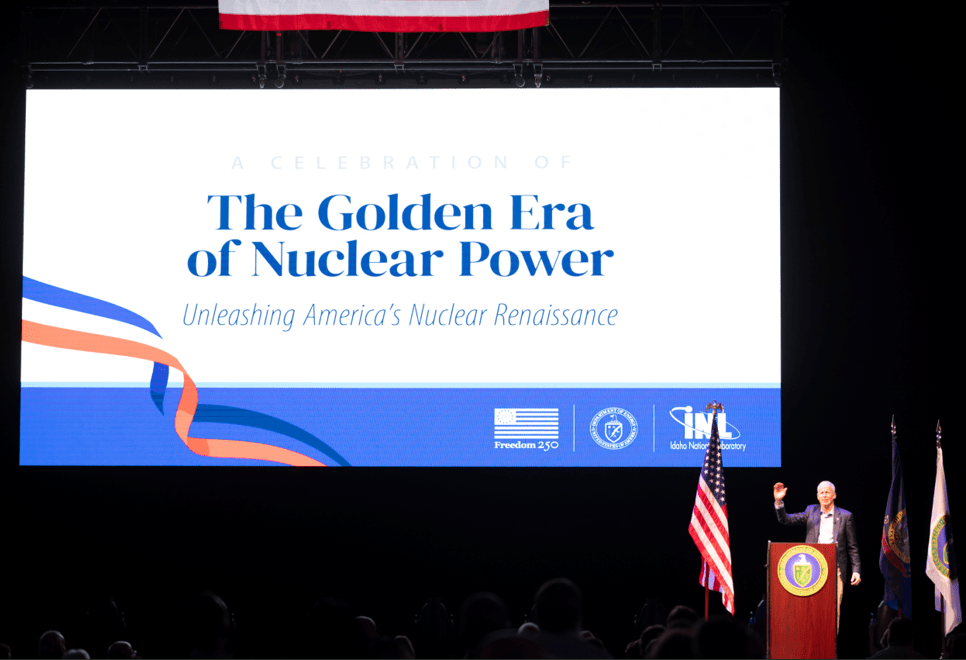
The mechanism behind the sprint was Executive Order 14301, which President Donald Trump signed in May 2025. It directed DOE to overhaul how the federal government tests advanced reactors.
DOE used its authority to approve first-of-a-kind reactors for noncommercial demonstration purposes, separate from the U.S. Nuclear Regulatory Commission’s commercial licensing process. DOE updated its existing process to streamline authorization while maintaining a focus on safety. The resulting accelerated pathway — the Reactor Pilot Program — had a concrete goal attached: get at least three advanced reactors to criticality by July 4, 2026.
The program accepted 11 projects from 10 companies. Many of the companies worked with the National Reactor Innovation Center (NRIC), a DOE program housed at INL — including all four that reached criticality by July 4. Building upon the Reactor Pilot Program’s success and heavy interest from industry, DOE and NRIC in the spring of 2026 created the Nuclear Energy Launch Pad to keep the momentum going, said Brad Tomer, director of NRIC.
INL was the natural home for many of the companies that applied. The laboratory already possessed the physical infrastructure, safety expertise, regulatory relationships and institutional memory that would have cost startups years and hundreds of millions of dollars to build from scratch.
By spring, that optimism turned into momentum. “It actually feels like we’re finally tipping,” said Rian Bahran, then deputy assistant secretary of Energy for Nuclear Reactors, of the industry’s progress. “After years of being at a tipping point for advanced nuclear technology deployment, the industry is now genuinely moving.”
Bob Boston, manager of DOE’s Idaho Operations Office and a four-decade veteran of the nuclear industry, told Forbes magazine in March that steering the reactor pilots through federal review had been the busiest period of his career. “DOE Idaho is committed to enabling safe, disciplined progress from design to demonstration,” he said.
Antares Nuclear: First through the door
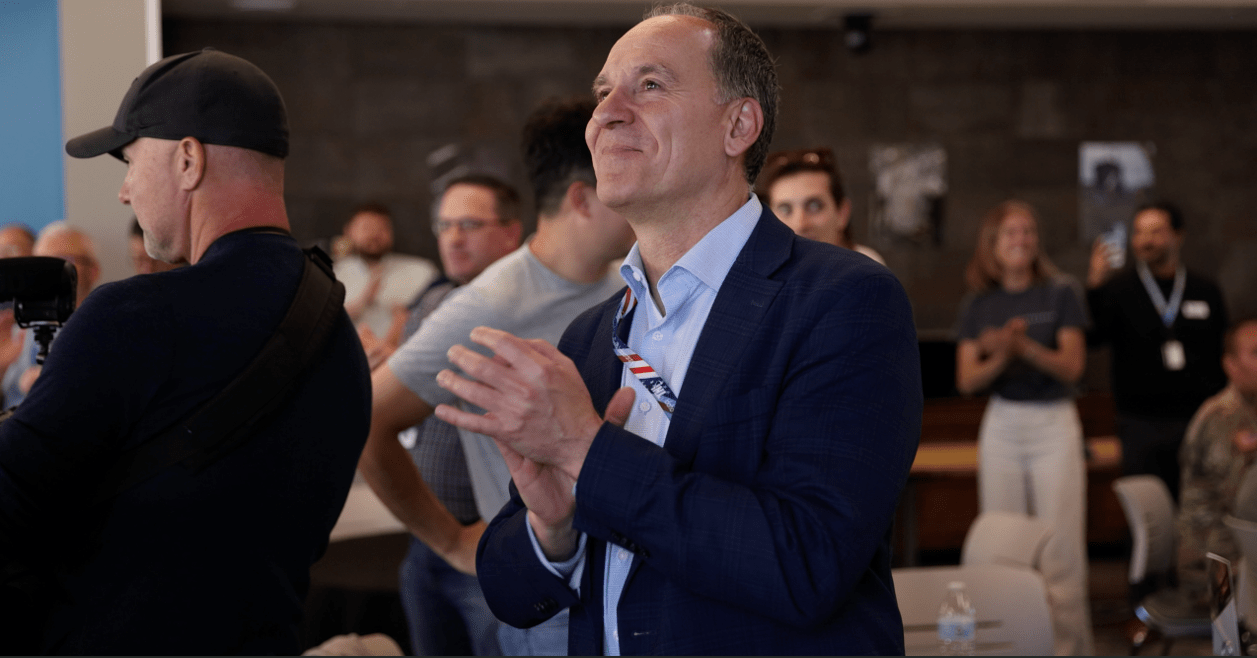
The first reactor to clear the new pathway did it June 4, a month before the deadline.
Antares Nuclear, based in Torrance, California, with a facility in Idaho Falls, completed a zero-power, fueled criticality demonstration of its Mark-0 microreactor at INL’s Reactor and Critical Experiment facility. It was the first privately developed non-light-water reactor to reach criticality in the United States in more than four decades — and the first reactor of any kind to go critical under the Reactor Pilot Program.
The company had gone from concept to criticality in under 12 months, a schedule made possible in part by existing infrastructure. The Mark-0 ran on tristructural isotropic, or TRISO, fuel fabricated by BWX Technologies to the same specification matured through the Department of War’s Project Pele program. The demonstration returned verification and validation data to that effort. The U.S. Army was integrated throughout as a future end user, an arrangement that ties the test directly to the service’s own microreactor deployment timeline.
Valar Atomics: Built outside the lab
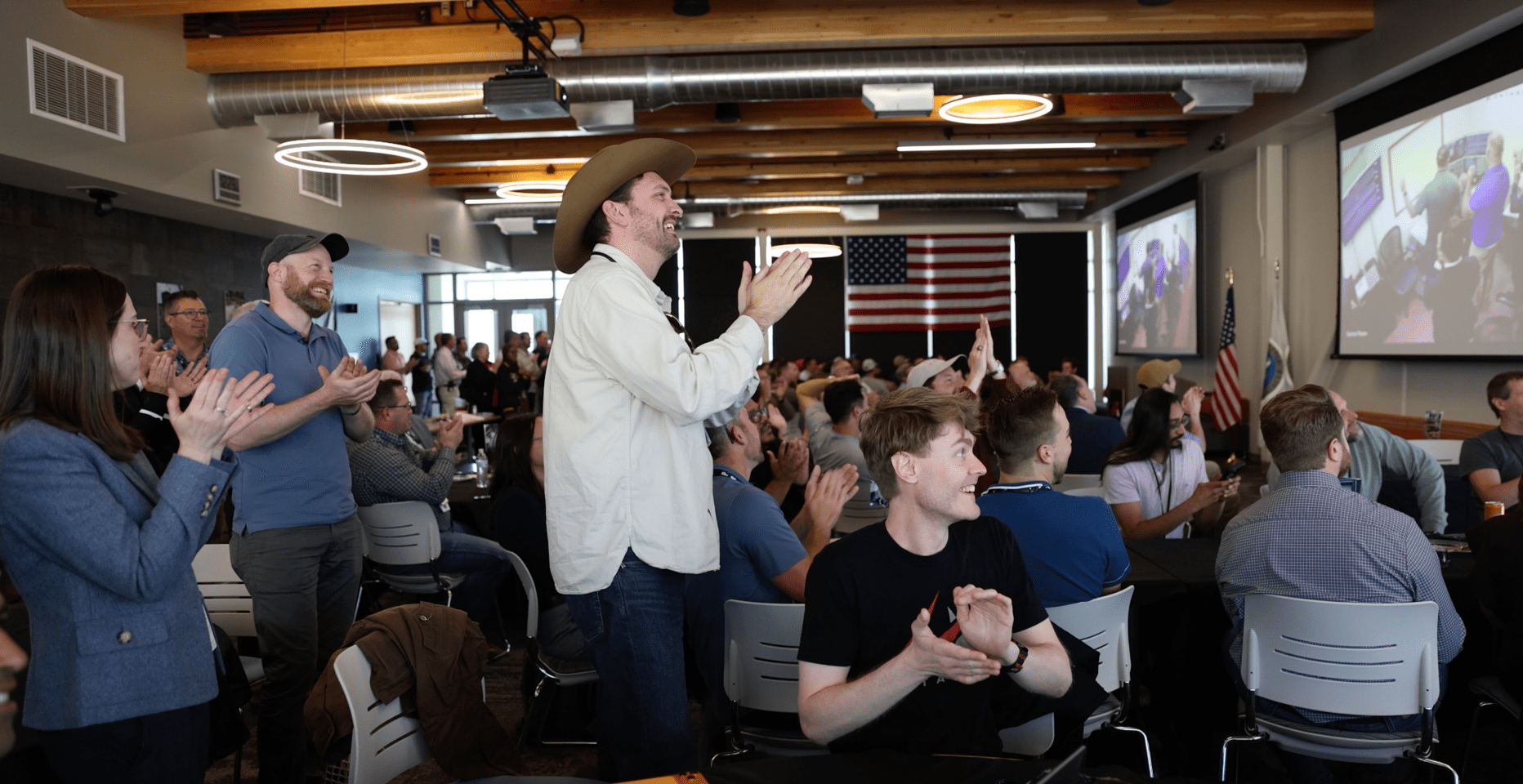
On June 18, Valar Atomics, based in El Segundo, California, announced that its Ward 250 reactor had reached self-sustaining criticality and completed zero-power testing at its site near Orangeville, Utah — the first DOE-authorized reactor built outside a national laboratory. Ward 250 reached these milestones as a complete, fully integrated system configured for power operations. It subsequently generated thermal power June 21 and produced electricity July 1.
Ward 250 had already made an unusual journey. It was airlifted unfueled between U.S. Air Force bases aboard a military C-17, before being fueled and tested on-site. Valar CEO Isaiah Taylor called the milestone the culmination of roughly nine months of work, noting that the previously empty site now held a critical reactor built and operated by the Valar team.
Even so, INL wasn’t entirely absent. Behind the scenes, NRIC staff provided logistical support, including the receipt, storage and shipment of fission chambers and temporary storage and shipment of nuclear fuel. NRIC also shared reference documentation with Valar. Valar built and ran its reactor on its own site — and INL was there to help.
The path to criticality still ran through federal review. Before the test could be authorized, the Ward 250 required a joint test group to sign off on each key step of the reactor startup — the same regulatory gauntlet that every company in the program had to clear.
Deployable Energy: A reactor in the back of a truck
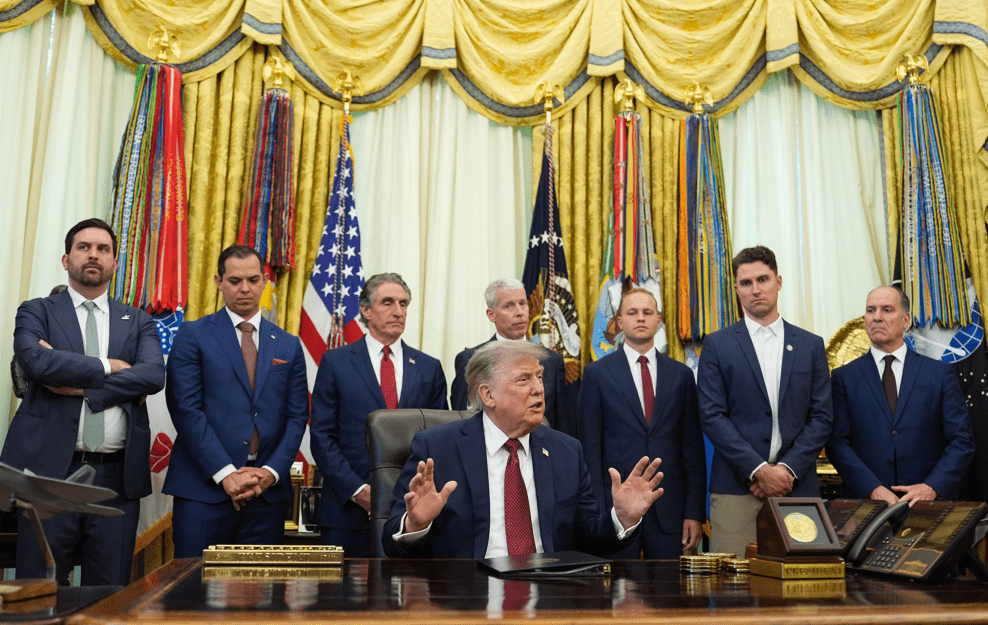
The third reactor to reach criticality returned the action to Idaho. Deployable Energy, based in Houston, completed a zero-power, fueled criticality demonstration with its Unity reactor at INL just before the end of June, and the July 4 deadline. This machine was compact enough that its test rig traveled from Houston to Idaho in the back of a Ford F-150, a detail the company offered as a deliberate contrast to nuclear power’s traditional image of massive, immovable infrastructure.
Unity’s success came under the Nuclear Energy Launch Pad. Deployable had been selected for the program in April 2026 and received approval of its safety analysis in just 106 days.
“Achieving criticality in roughly 150 days is a remarkable accomplishment,” Wagner said in a statement, “and Idaho National Laboratory is proud to have provided the facilities and expertise that helped make this milestone possible.”
Deployable co-founder and CEO Bobby Gallagher struck a similar note, calling the original three-reactor target audacious. “The administration’s goal really set the stage for success,” he said, “industry partners stepping up, DOE moving at speed, national labs acting as true enablers — not bottlenecks.”
Energy Secretary Chris Wright, who visited the Unity reactor in person days before its test, called the moment proof that “America’s nuclear renaissance is underway.” With Unity’s criticality, the administration’s three-reactor target had been met, just ahead of the nation’s 250th anniversary.
Aalo Atomics: A fourth, for good measure
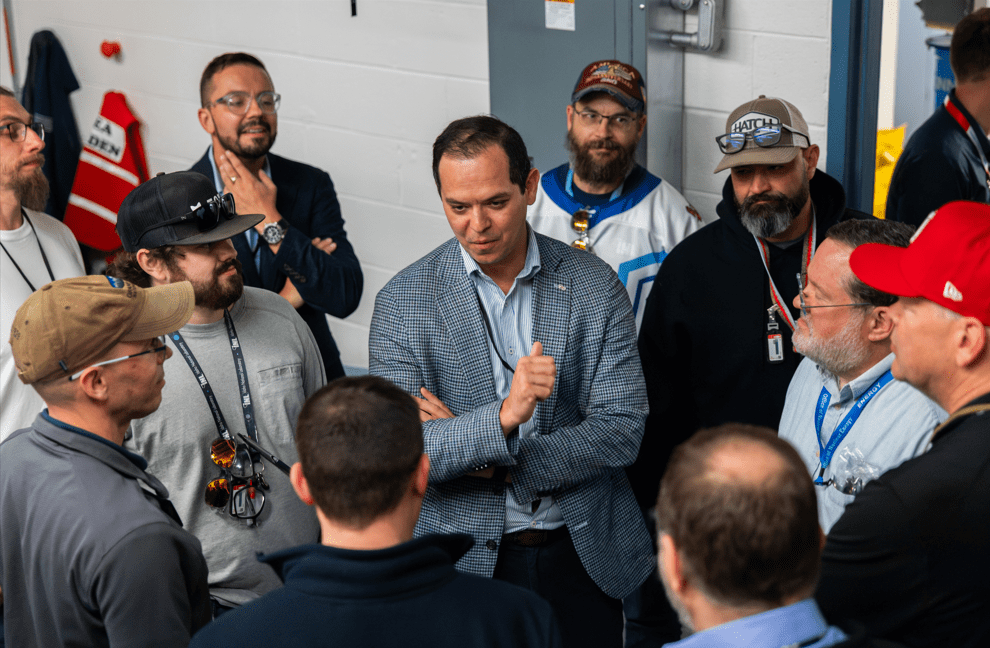
Then came the fourth reactor. Early on July 4, Aalo Atomics, an Austin, Texas-based startup, completed a zero-power, fueled criticality demonstration with its Critical Test Reactor (CTR) on the Aalo-X Campus at INL — the fourth DOE-authorized reactor, and the third built at the Idaho site, to clear the threshold before the president’s deadline.
Aalo’s commercial design is a 10-megawatt-electric, thermal spectrum reactor. The company is targeting AI data centers as its primary commercial customer, betting that computing infrastructure’s around-the-clock power appetite will be nuclear energy’s next major market.
Aalo broke ground on its full‑power Aalo‑X demonstration reactor in August 2025 — the first groundbreaking in the pilot program — and later began construction of CTR on Nov. 10, 2025. For Aalo-X, the company adopted an unconventional construction method, replacing traditional blasting with precision vertical drilling through the site’s volcanic basalt.
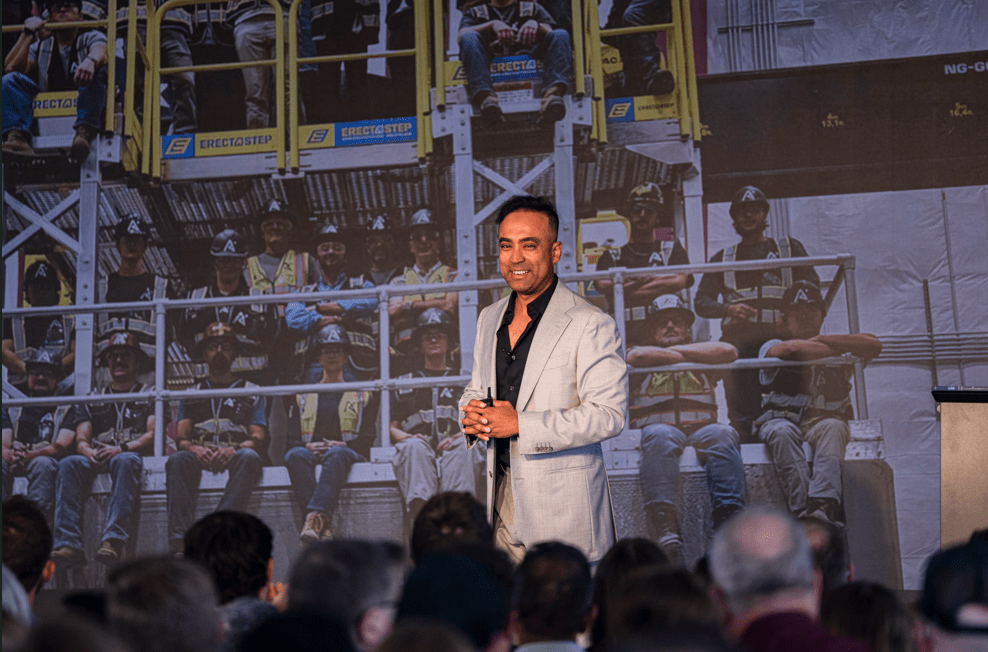
“The hardest problem in nuclear power was never the physics — our country simply forgot how to build,” said Yasir Arafat, Aalo’s co-founder and chief technology officer, who spent years as a reactor engineer at Westinghouse and INL before co-founding the company. “We are proud to play a major role in America’s nuclear renaissance, going from breaking ground on the CTR to a sustained chain reaction in just eight months.”
What comes next
None of the four reactors are operating at full power. Each still faces the hard engineering climb from zero-power criticality to sustained, full-power operation — the difference, roughly, between an engine turning over and a car actually driving down the highway. Wagner himself was careful to draw that line after the first test in June. “What Antares achieved is specifically zero-power criticality — the chain reaction was sustained at essentially no measurable energy output,” he said. “This is not electricity generation. It is not full-power operation.”
Still, for a laboratory whose reactor-building era seemingly ended with the last wave of commercial nuclear construction in the 1970s, the return of three criticalities on its site in a single summer marks a sharp reversal. NRIC has prepared for what comes next. It’s called DOME — short for Demonstration of Microreactor Experiments — and it’s built inside the old containment dome of the decommissioned Experimental Breeder Reactor-II. The retrofitted facility is designed to give the next wave of companies a ready-made place to test their reactors, rather than build their own testing facilities from scratch.
The history of nuclear energy for peaceful application, as Grossenbacher once said, has principally been written in Idaho. This summer, a new chapter was added — and it was written fast.