As devastating wildfires continue to burn across the western U.S. and Canada this summer, they’re taking a serious toll on the electrical grid. Every year, wildfires, some sparked by birds or even high winds, cause significant damage to grid infrastructure.
With the frequency and intensity of wildfires on the rise, the U.S. Department of Energy’s (DOE) Office of Cybersecurity, Energy Security, and Emergency Response (CESER) and Office of Electricity (OE) are studying not only how wildfires threaten the grid, but also how grid infrastructure can contribute to wildfire ignition — and ways to reduce both types of risk.
The 2018 Camp Fire in Northern California remains perhaps the most searing example. High winds contributed to the failure of a fatigued metal hook on a transmission tower. An energized power line then struck the tower, creating an electrical arc that melted metal. The molten metal fell to the ground and ignited dry brush below, starting a fire that lasted 18 days, killed 85 people and devastated nearly 240 square miles. While the town of Paradise was reduced to ash and Pacific Gas and Electric Company ultimately filed for bankruptcy, the underlying conditions that led to the disaster—aging equipment, extreme weather, and stressed vegetation—are challenges faced by utilities across the country.
In the aftermath, Idaho National Laboratory (INL) has taken a leading role in building wildfire resilience, testing advanced conductors, insulators, coatings and power poles across its 890-square-mile site. With nearly 100 miles of reconfigurable transmission and distribution lines, INL can string test spans of 500 to 1,000 feet — a capability few research institutions can match.
“INL is unique. We have nearly 80 years of at-scale research and development expertise combined with extreme geography,” said Abby Neumann, program manager on INL’s Advanced Conductor Testing team. “We’re expanding our capabilities with room for further expansion. We’re not at capacity and don’t expect to be anytime soon.”
New materials need testing
Mitigating wildfire risk requires modernizing aging equipment. According to a 2015 DOE assessment, about 70% of U.S. transmission lines are at least 25 years old. Restringing existing lines with advanced conductors is far cheaper than building new infrastructure. These conductors can be made of new materials, have new configurations or use novel coatings, all designed to transfer power more efficiently.
“There are a variety of advanced conductors and products that have not been fully tested,” said John “Crash” Bell, an INL power engineer. “Understanding their performance under stress will be critical to providing utilities the data needed to make informed decisions.”
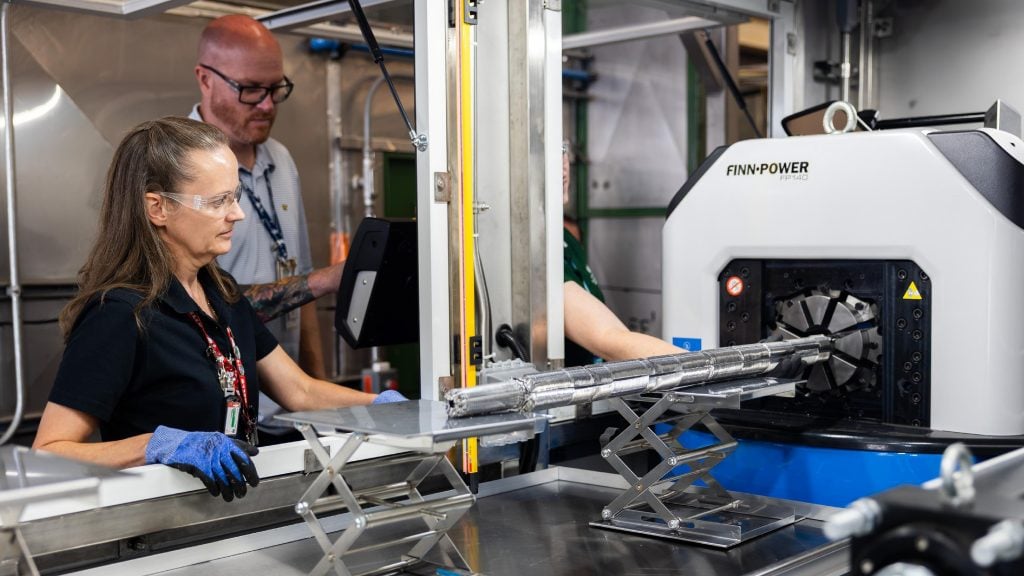
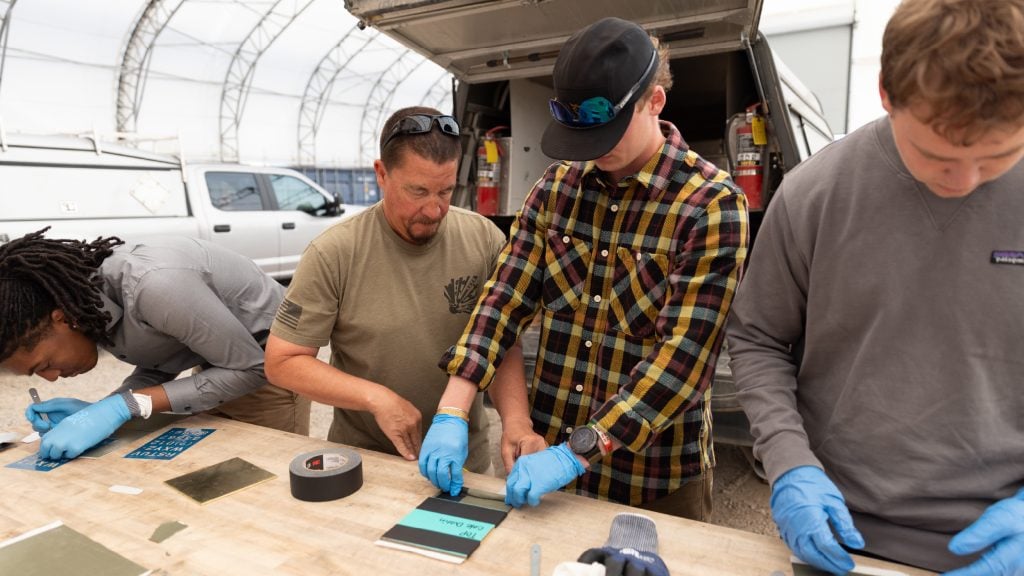
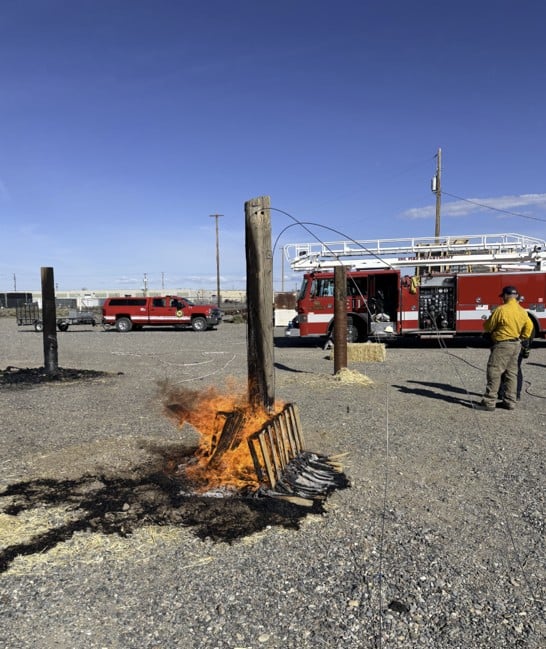
Since 2024, INL has teamed up with the National Electric Energy Testing Research and Applications Center and the Electric Power Research Institute to test five types of advanced conductors for heat and cold resistance, tensile strength, fatigue and aging. Samples are superheated in INL’s fire chamber to temperatures ranging from 250 to 400 degrees Celsius, then pulled until they break. INL also planted and burned 18 poles — some wrapped in fire protectant — to measure damage at different exposure times.
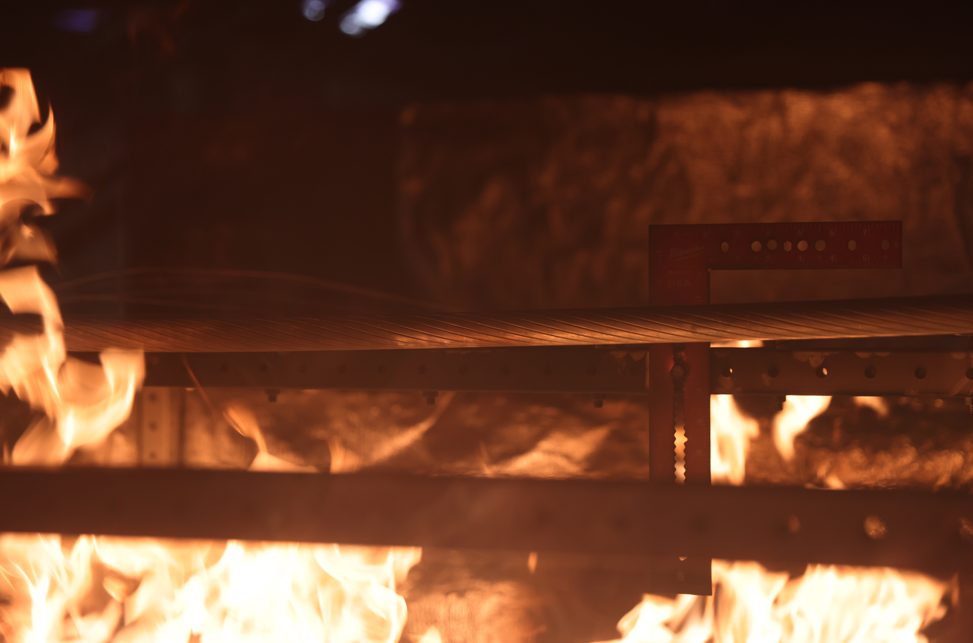
The information collected from these tests could be especially valuable to smaller utilities and electrical co-ops that lack the resources to conduct their own tests. Bell said INL has become a trusted voice in the field because it is unbiased, offering science- and engineering-based research that is repeatable and verified.
Bird danger
Birds interacting with electric grid features, like poles, lines and substations, are another major cause of power line faults. Burning feathers and nests can start brush fires. INL is testing bird diverters — reflective devices hung in groups along power lines — by measuring bird activity before and after installation and sharing findings with U.S. Geological Survey and Wildlife Imaging Systems, a company that performs AI-assisted analysis.
While diverters cost only $20 to $30 each, the cost of installing them on the nation’s 600,000 miles of transmission line could add up fast. Good data will help engineers determine deployment strategies, including the ideal product and placement for a utility’s environment and wildlife challenge said Hayden Town, INL critical infrastructure security analyst.
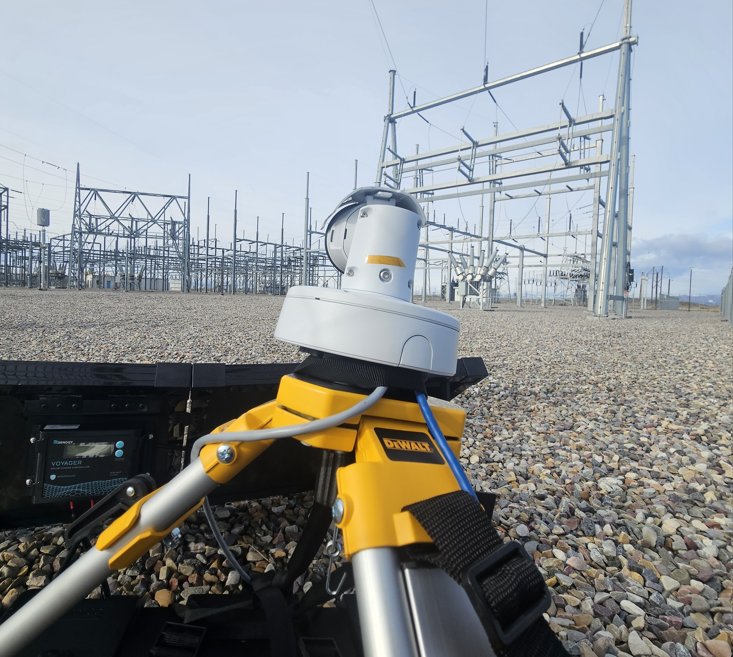
“Without data, you don’t know the extent of the problem or the effect of the mitigation efforts,” he said. “We start by putting thermal cameras in the field at power lines and substations and filming those assets for a few months to get data on how much wildlife activity there is around them. Then we bring in products designed to reduce wildlife presence or mitigate the problems they cause and continue filming to test their efficacy.”
The larger vision is to temporarily install cameras in as many places as they can around the country to gather data on the locations and volumes of wildlife activity and appropriate levels of mitigation.
Setting off sparks
The Grid Event Signature Library, hosted at Oak Ridge National Laboratory and funded by DOE-OE, shares open-source waveform data with labs, universities and utilities developing fault detection tools. INL and CESER are collaborating to add wildfire-inducing fault data to the library, with INL engineers triggering arcing faults on transmission lines by novel means like dropping bird carcasses collected by INL’s environmental team on them.
Several other national labs are involved in the effort. Sandia National Laboratories has collected fault data to supplement INL’s, and Pacific Northwest National Laboratory and Lawrence Livermore National Laboratory have collected available fault records from cooperating utilities.
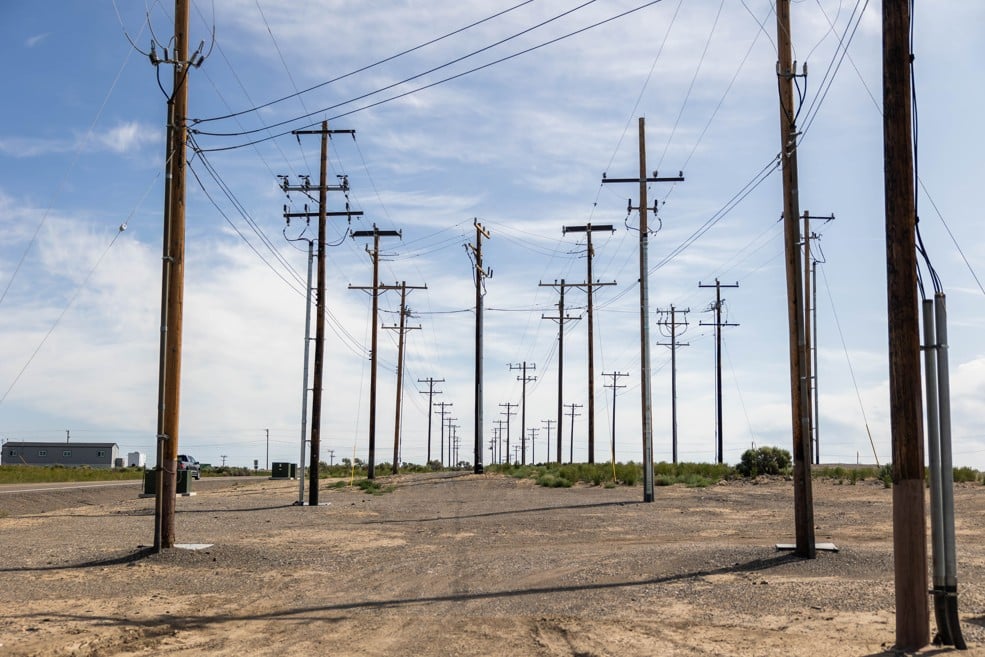
“The best simulations come from real data,” said Becca Avery, INL power systems engineer. The goal is to distinguish fault types quickly, so operators know whether to trigger an auto-reclose or dispatch a fire department. “This is all part of prevention,” Avery said. “After something happens, whether it’s a bird, tree branches or line slapping, we don’t want it to become a fire.”
New test bed
The research will advance significantly with the opening of the Modular Power Systems test bed at INL’s proposed Energy Technology Proving Ground, which is expected by the end of the year. Funded by DOE-OE, the flexible site will support energized and de-energized conductor trials, higher voltage AC testing, lineworker training and robotic grid applications. National Environmental Policy Act review of the project is underway, with approval pending.
With an on-site fire department, a runway for unmanned aerial vehicles, and AI and data center research already slated for the site, INL’s value to the broader grid resilience ecosystem continues to grow.