The Hot Fuel Examination Facility (HFEF) is the most recent nuclear facility at the Idaho National Laboratory (INL) to join the American Nuclear Society’s roster of Nuclear Historic Landmarks, but its story is as much about the future as it is about the past.
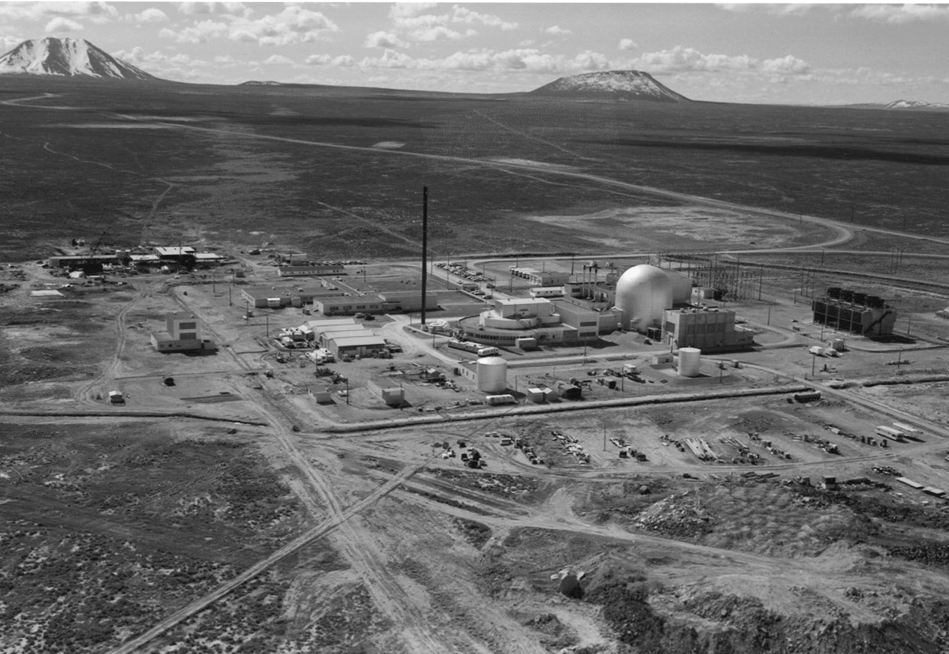
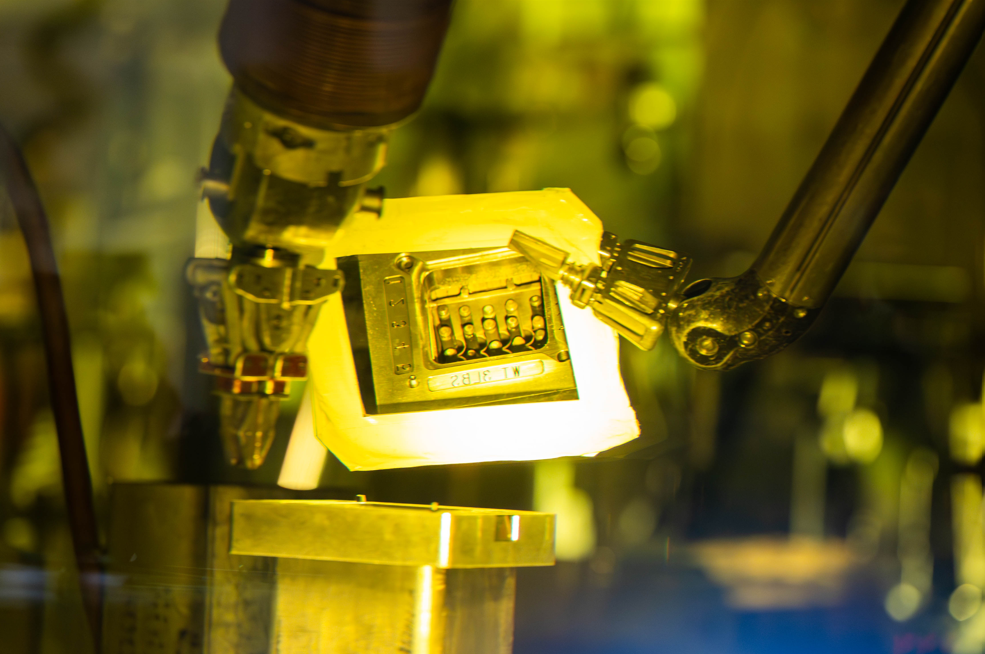
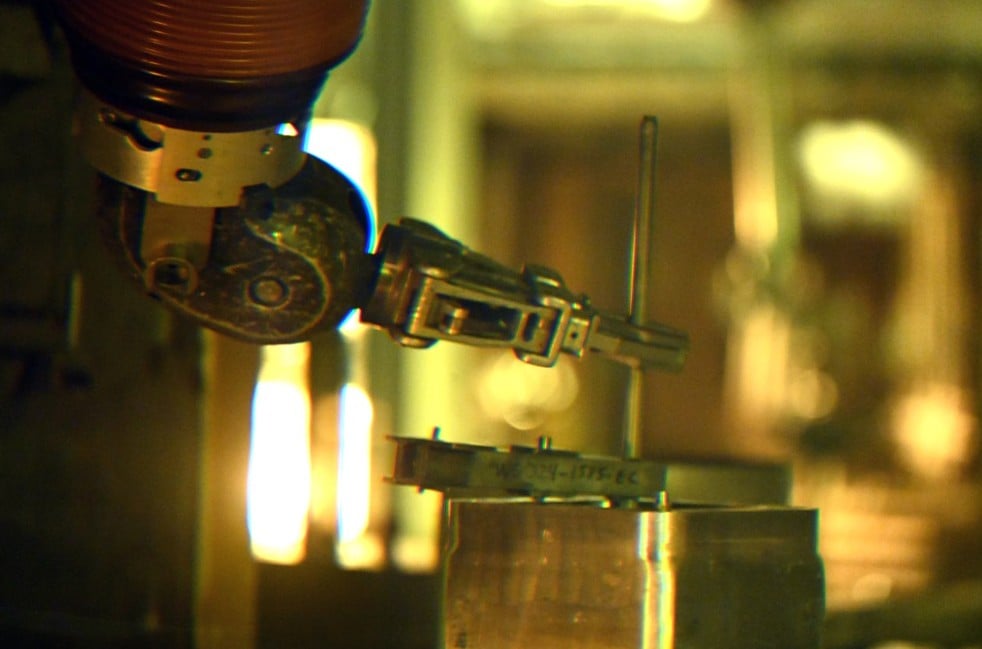
Since it opened in 1975, HFEF has been a world-leading facility for conducting post-irradiation examinations of nuclear fuels and materials. Located at the Materials and Fuels Complex (MFC), it features the largest inert atmosphere hot cell dedicated to nuclear materials research in the United States. This allows researchers to remotely handle and perform detailed and nondestructive examinations of highly irradiated fuel and material samples.
The hot cell’s argon atmosphere containment and 4-foot-thick walls shield personnel from radiation emitted from materials and components in the cell, allowing scientists to safely examine irradiated fuels and materials. Its work supports advanced reactor development, commercial nuclear fuel research and national energy security missions.
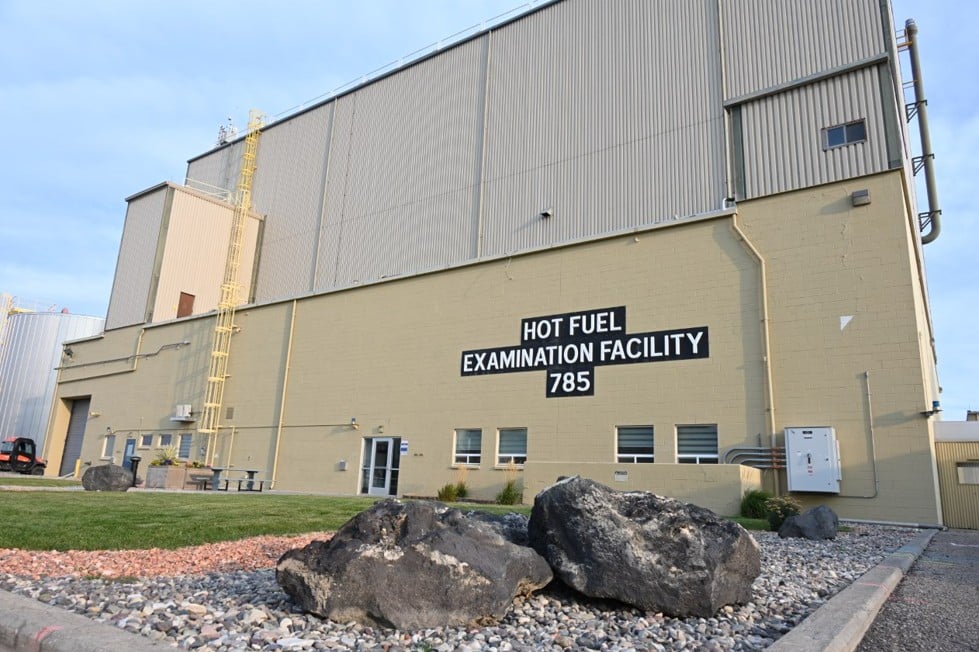
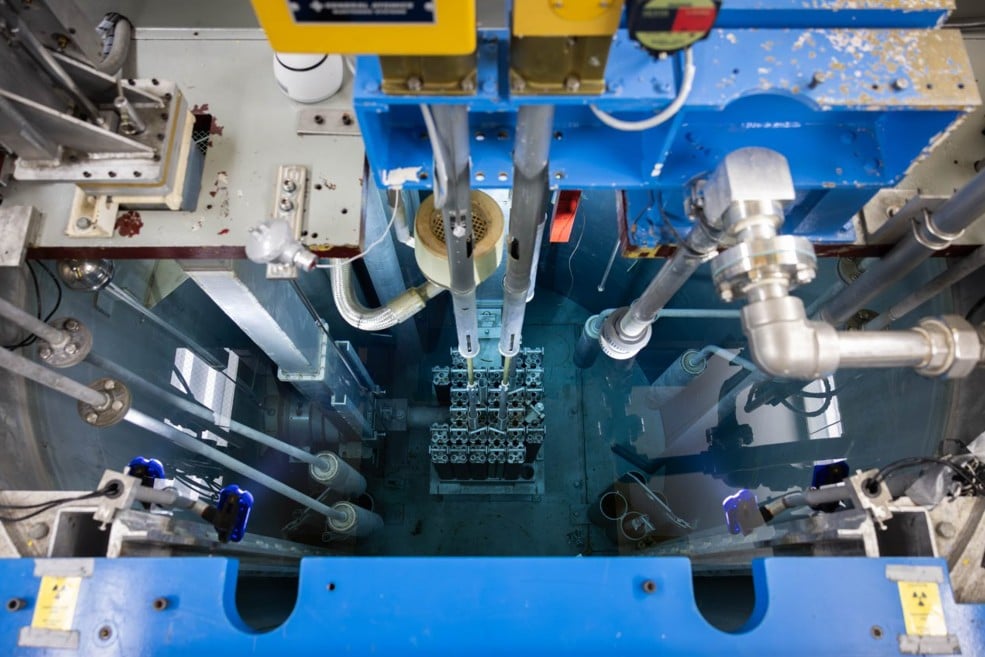
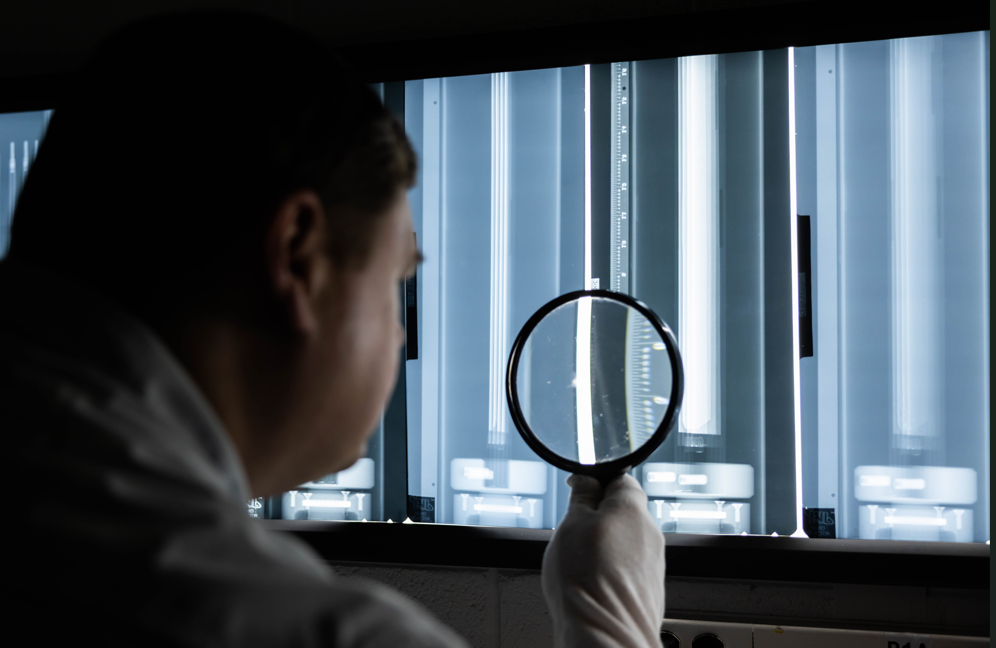
Its examination capabilities are further enhanced by its integration with the Neutron Radiography Reactor (NRAD), which sits underneath its main hot cell. In operation since 1977, the 250-kilowatt NRAD is an open pool Training, Research, Isotopes, General Atomics (TRIGA) reactor that shoots neutrons through irradiated fuels and materials to produce detailed radiographic images, providing valuable information about fuel composition and behavior.
In its second half-century, HFEF’s workload is as heavy as it’s ever been, said Doug Crawford, MFC reactors chief technologist. “HFEF’s flexibility and continued adaptation to changing needs over 50 years is remarkable,” he said.
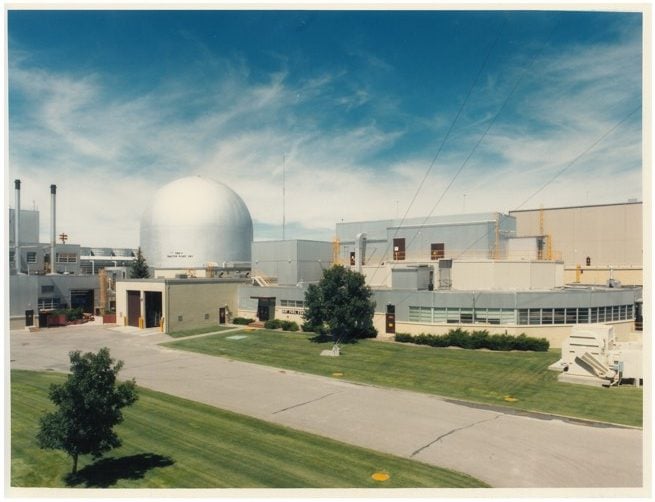
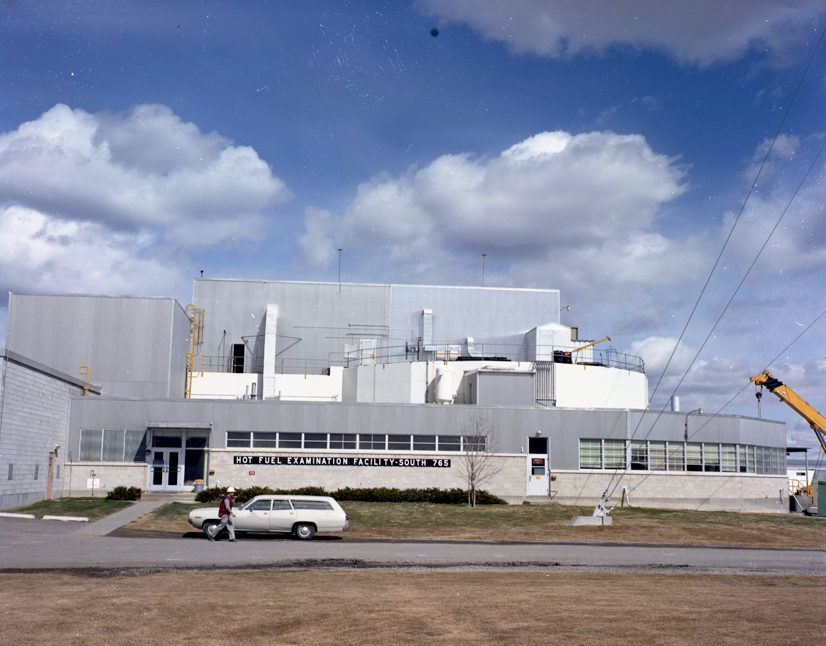
Early days
When it opened, HFEF was instrumental to the study of phenomena like radiation-induced void swelling and irradiation creep and how they changed the dimensions of fuel rods and fuel assemblies. HFEF’s capabilities evolved with the needs of the programs that used EBR-II and, later, the Fast Flux Test Facility in Washington state. This work profoundly impacted reactor safety, reliability and longevity.
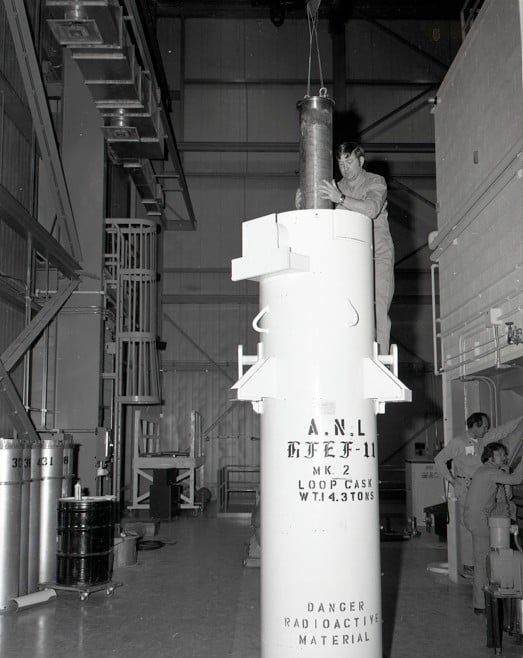
After EBR-II shut down in 1994, other equipment was placed into the hot cell to support research and development on molten salt processing of irradiated fuel and consolidation of fuel processing waste products. HFEF was also modified and equipped to examine long fuel rods discharged from commercial light water reactors, TRISO particle fuel, and plate-type research reactor fuel.
Extraordinary design
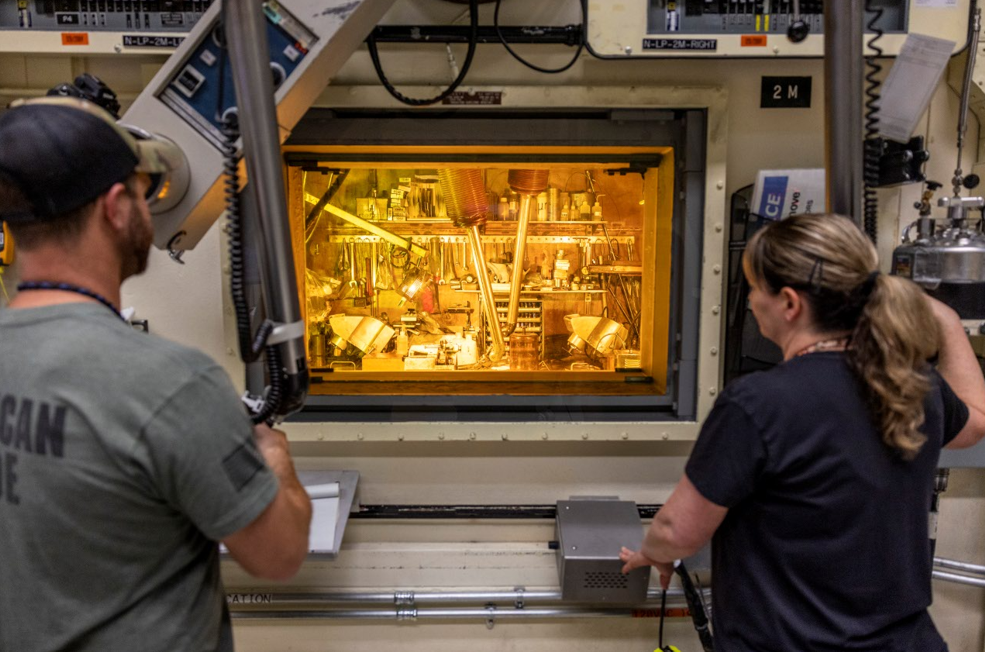
HFEF’s extraordinary design has always set it apart, Crawford said. The main hot cell is a massive chamber filled with inert argon gas and lined with zinc-metallized carbon steel. It measures 30 feet wide, 70 feet long, and 25 feet high. Its concrete walls and special leaded glass windows provide unparalleled shielding, while 15 workstations allow for precise, remote handling of highly radioactive materials. Adjacent to the main cell is an air-filled decontamination cell, designed for safe, efficient removal and disposal of materials.
New milestones
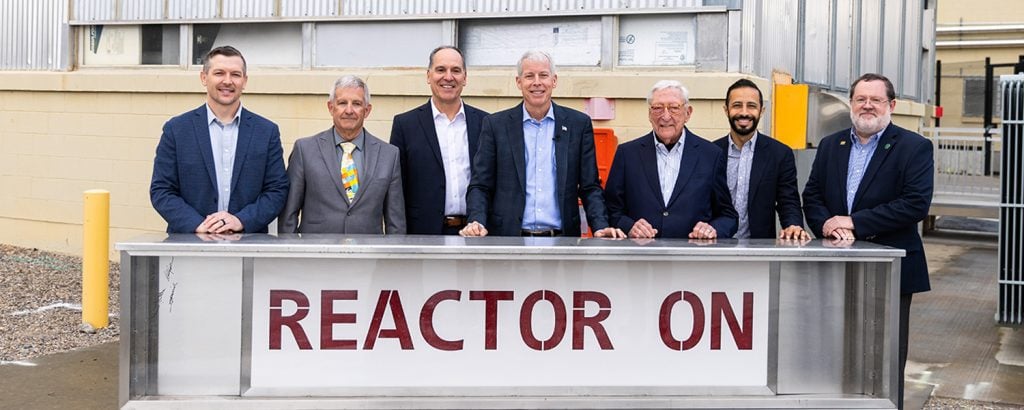
Opened in 1977, NRAD performed its 5,000th reactor run on Feb. 18, 2026, testing a new high-resolution digital neutron imaging system.
While for decades NRAD has been characterized as a big, special-purpose camera, researchers from all over the world have recognized its capabilities as a research reactor. Recently, scientists used NRAD’s north radiography station to perform zero-power criticality testing of Deployable Energy’s demonstration reactor, Unity. The demonstration was conducted to validate the 1-megawatt battery’s core physics.
Expanding Capabilities
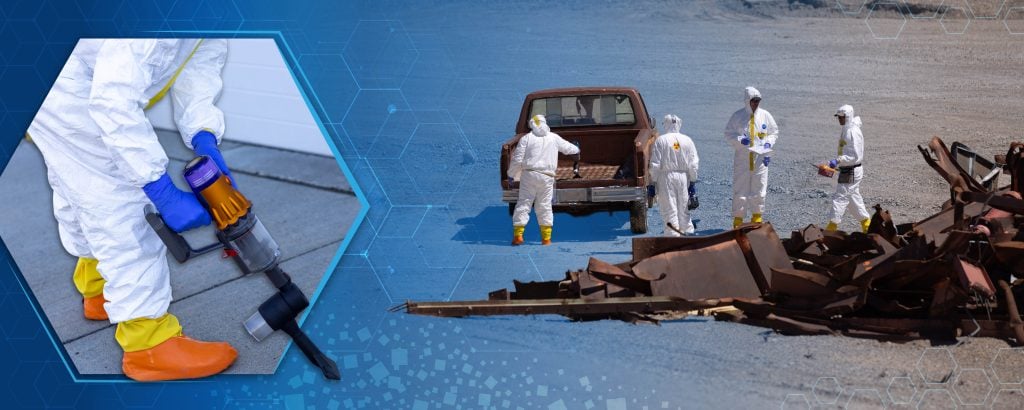
To further expand HFEF’s capabilities, the specialized area for decontamination and repair of contaminated hot-cell equipment was expanded and upgraded in the late 1970s, and a specialized area for waste characterization was incorporated in the mid-1990s. With the growing demand, making more nuclear facility space available has become a top priority. But cleaning up such spaces is a painstaking process, full of surprises. In the case of HFEF’s 9M window, MFC engineers in summer 2024 started removing more than 10,000 pounds of equipment — jack plates and support assemblies, material baskets, heater units and “mountains of wires and cables” — all of which required decontamination before safe disposal.
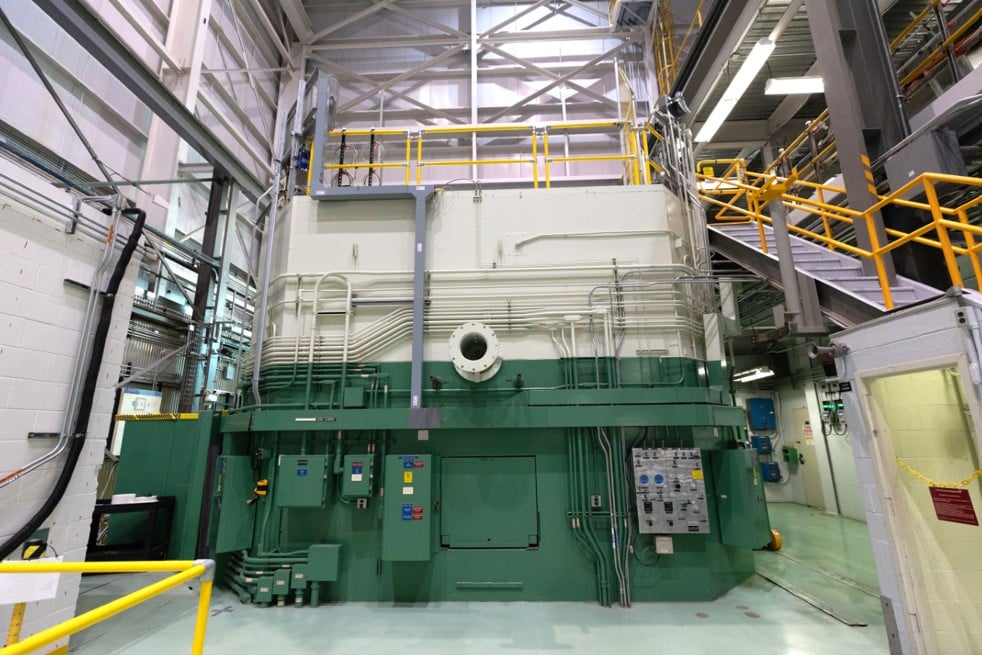
TREAT, which is a part of MFC, is a thermal-spectrum test facility
The space inside the 9M window is now ready to support new sodium test loop work at TREAT, crucial to studying and demonstrating fuel behavior under accident conditions in advanced reactors. This is reminiscent of work from the 1970s and 1980s, when sodium loop experiments were performed at TREAT to study fuel designs irradiated in EBR-II, then taken from TREAT to HFEF for post-irradiation examination.
Honoring the people
Established in 1985, the ANS Nuclear Historic Landmark Award honors sites or facilities that advanced nuclear science and engineering. When it is dedicated later this year, HFEF will be INL’s 10th entry on the list, taking its place alongside the Advanced Test Reactor, Fuel Cycle Facility and Transient Reactor Test Facility (TREAT), all of which are still in operation.
In his letter of support for HFEF’s nomination, Leon Walters, retired director of engineering at Argonne National Laboratory, recalled his early days at the facility.
“HFEF proved to be an extremely versatile facility capable of examining the effects of irradiation on large components as well as reducing samples for microscopic evaluation,” Walters wrote. “As the capability of HFEF expanded, the expertise of the supporting staff grew in parallel.”
But in the end, it’s the people of HFEF who deserve the most honor, he said.
“HFEF continues to stand as an important contributor to fuels and materials research,” he wrote. “By virtue of designating HFEF as a Nuclear Historic Landmark, more than two generations of engineers and technicians will also be honored.”