When the National Reactor Test Station was established in Idaho in 1949 to be a remote location for the testing of reactors, Argonne National Laboratory built and operated the Experimental Breeder Reactor, later known as Experimental Breeder Reactor I or EBR-I, there. Argonne established an Idaho Division and located other higher-risk facilities at the EBR-I site (rather than in the more populated Argonne location in Chicago suburbs).
In 1951, the first nuclear reactor in Idaho, EBR-1, was built, starting a legacy at what is now Idaho National Laboratory. Another 51 reactors followed and one reactor, the Experimental Breeder Reactor-II (EBR-II), was built at the current Materials and Fuels Complex. Between 1961 and 1994, EBR-II demonstrated inherently safe shutdowns, a new standard for nuclear reactors. Today, INL is the nation’s lead nuclear lab, leading the charge to keep our current commercial reactors performing and to create an ever safer, less expensive and more reliable next generation of nuclear power plants.
EBR-I marked the dawn of Idaho’s nuclear legacy— the beginning of innovation in reactor safety and design.
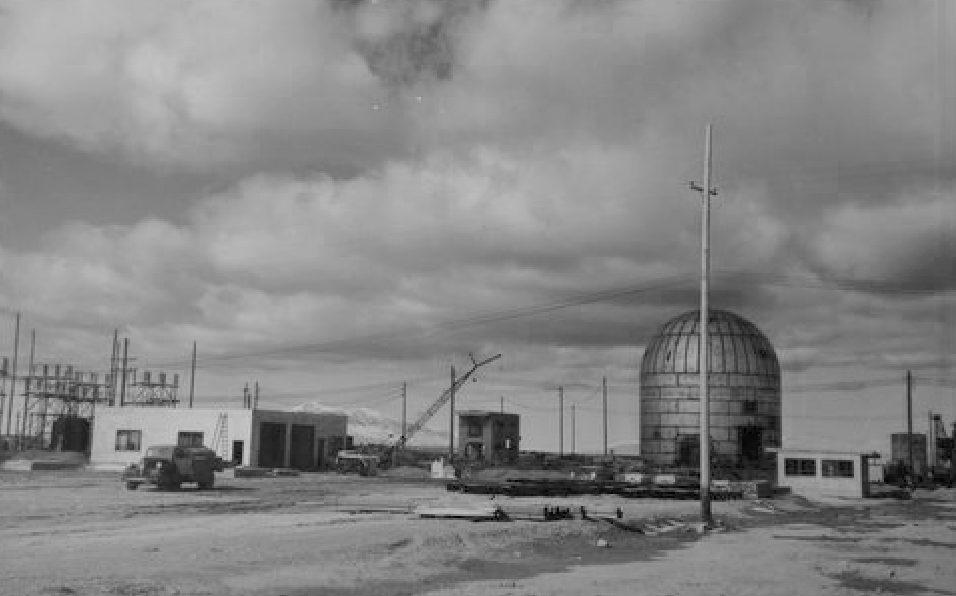
EBR-II takes shape: laying the foundation for advanced nuclear fuel recycling.
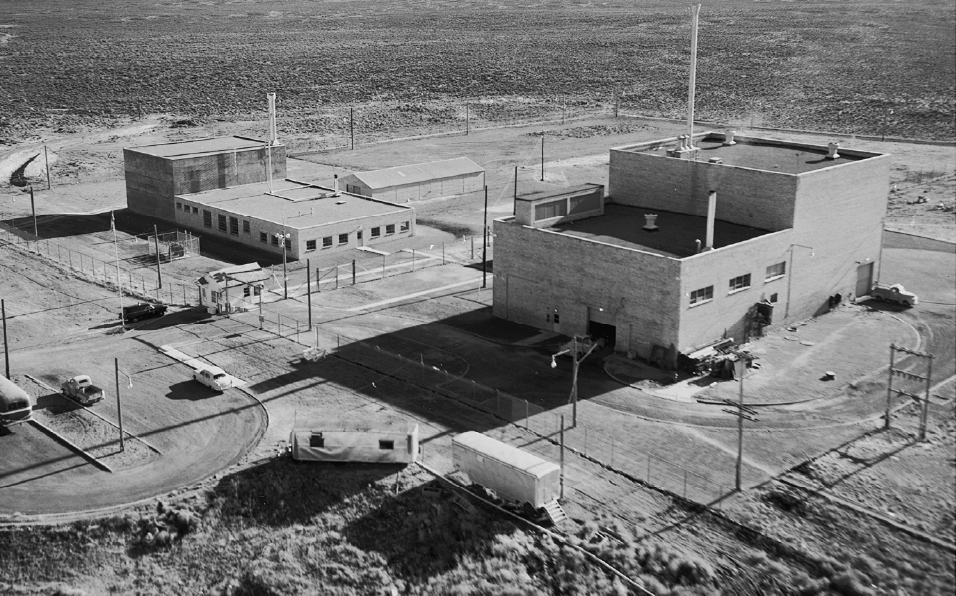
When the Atomic Energy Commission and Argonne agreed EBR-II would be built, the EBR-II site was selected to be closer to Idaho Falls, and Argonne had new facilities built there as well, such as the Transient Reactor Test Facility (TREAT) and the Analytical Laboratory. EBR-II and the associated Fuel Cycle Facility (FCF) were built to demonstrate reprocessing of fast reactor spent fuel into new fuel recycled back into the reactor and to demonstrate reliable power generation from a fast reactor.
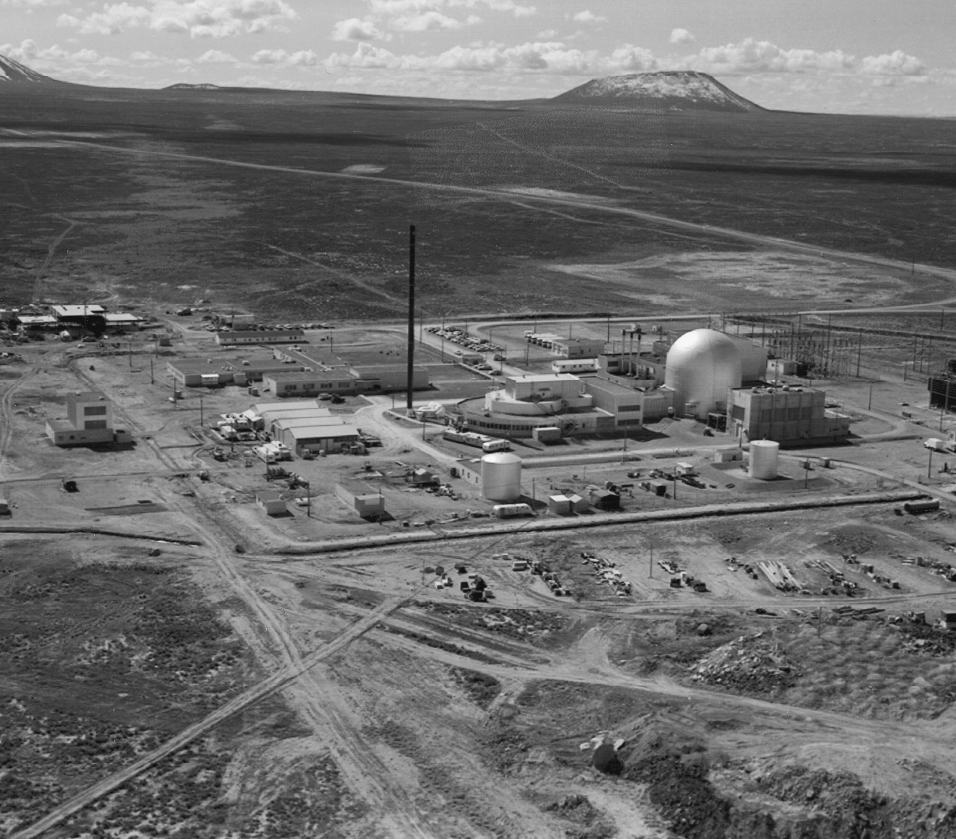
Aerial view of MFC, circa 1950's with early infrastructure supporting EBR-II and nuclear fuel innovation.
Facility Growth Fuels Nuclear Innovation
That initial mission was accomplished during 1965-1969, after which the EBR-II mission evolved to irradiation testing, operational testing, and safety testing. The desire to reduce EBR-II’s operating cost as an irradiation facility led to new technology developments that are now central to many fast reactor concepts being proposed by private developers. Specifically, the burnup capability of metal fuel was improved to match that of mixed oxide fast reactor fuel initially as a means to reduce EBR-II fuel cost, and the advantages of a metal-fueled, sodium-cooled fast reactor with a pool-type primary system were demonstrated from a program initially intended to determine how to economically ensure EBR-II’s operating safety.
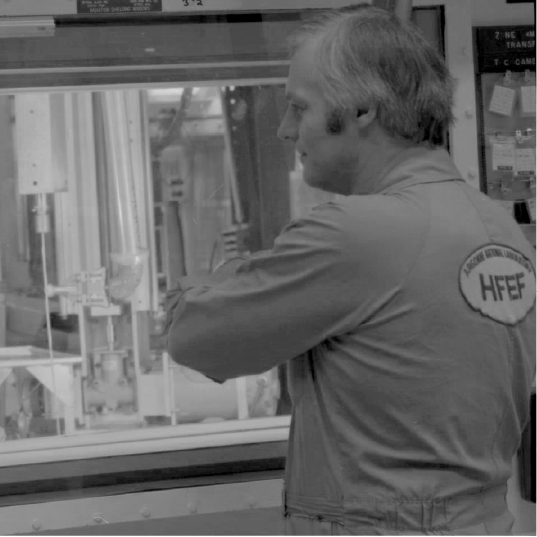
A researcher conducts remote fuel examination at the Hot Fuel Examination Facility (HFEF)
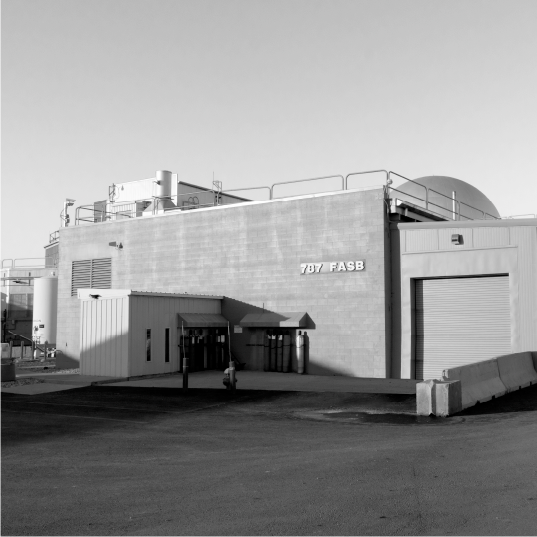
The Fuels and Applied Science Building (FASB) serves as a hub for fuel assembly, storage, and research supporting reactor development.
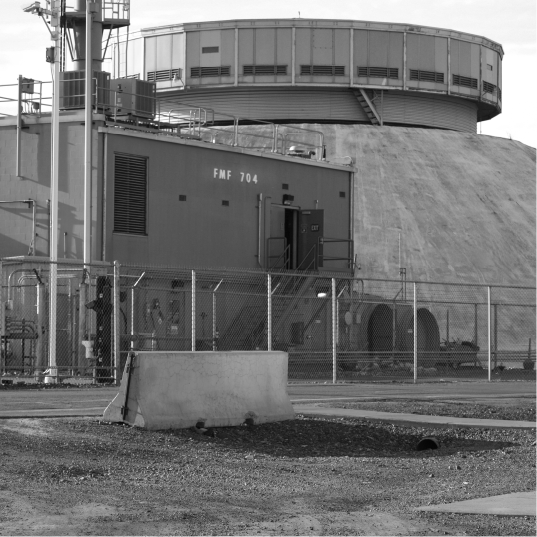
The Fuels Manufacturing Facility (FMF) and Zero Power Physics Reactor Faclity (ZPPR) stand together, enabling fuel fabrication and experimental reactor physics.
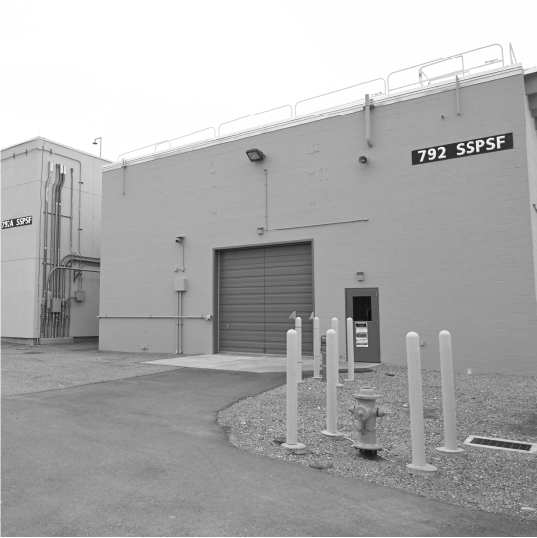
The Space and Security Power Systems Facility (SSPSF) was built to assemble radioisotope power sources for space and security missions.
Additional facilities were built at the EBR-II site, which became known as Argonne National Laboratory – West (ANL-W), most directly supporting the EBR-II irradiation testing mission, such as the Hot Fuel Examination Facility (HFEF), the Fuel Assembly and Storage Building (FASB), and the Fuel Manufacturing Facility (FMF). Other facilities otherwise supporting U.S. fast reactor development were placed there, such as the Zero Power Plutonium Reactor (ZPPR).
After the shutdown of EBR-II, TREAT, and the Zero Power Plutonium Reactor in 1994, the ANL-W site served varied purposes, primarily nuclear materials stabilization but also some smaller research programs that reached beyond the historic fast reactor development mission and used site facilities for new purposes. During that period, the Space and Security Systems Power Facility (SSPSF) was built for assembly of Pu-238 radioisotope power sources, again broadening the programmatic capability of the site.
With the establishment of INL in 2005, the newly renamed Materials and Fuels Complex benefitted from a mission focused again on nuclear energy RD&D but addressing a broad range of nuclear energy technologies.
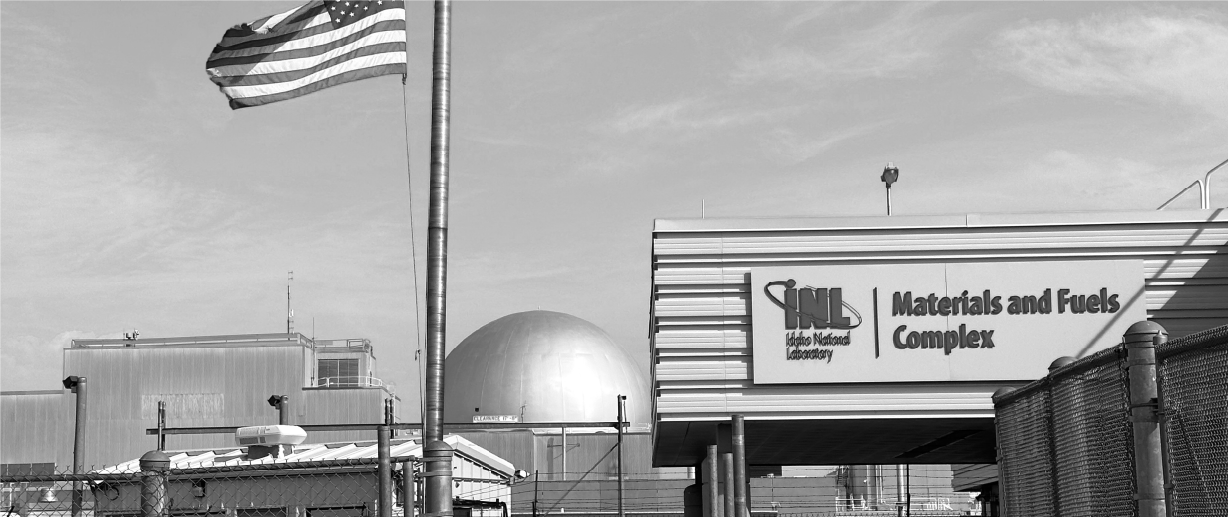
Gateway to innovation: MFC’s entrance welcomes pioneers – marking the threshold of nuclear discovery.
MFC Expands Nuclear Research Capabilities
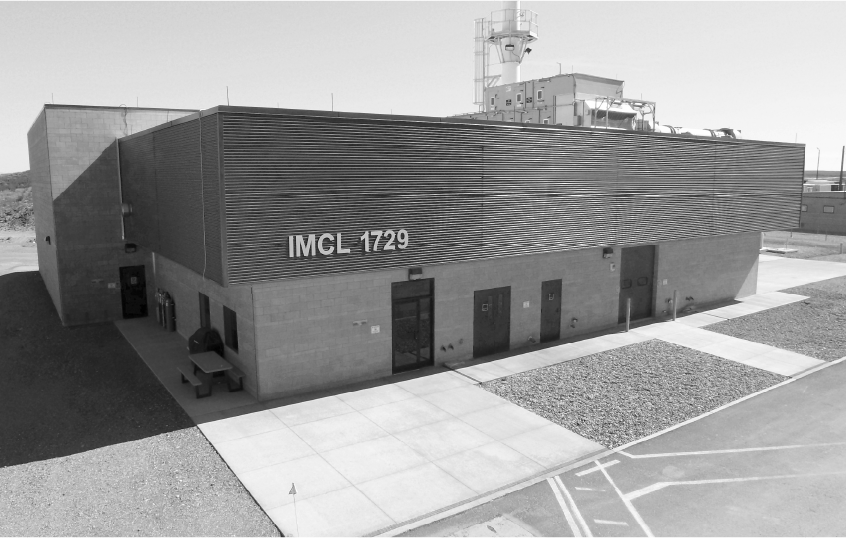
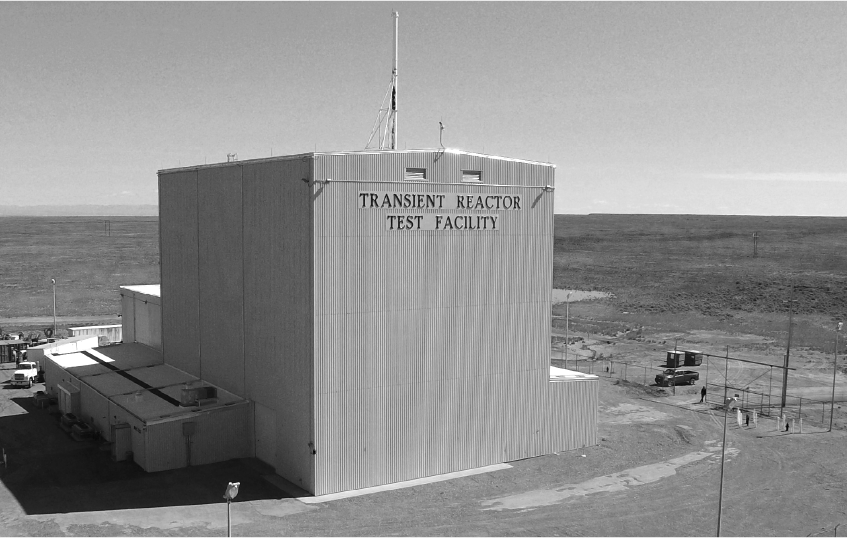
INL continued and expanded the effort to transition and re-equip legacy facilities for broader capabilities. The need for the Irradiated Materials Characterization Laboratory (IMCL) was articulated and the facility built in 2016. The Transient Reactor Test Facility (TREAT) was restarted in 2017 with the mission to support fuel safety testing for a variety of reactor types.
IMCL empowers researchers to analyze irradiated materials and drive advances in nuclear fuel and reactor technology.
At TREAT, scientists perform critical fuel safety tests and transient experiments to advance next-generation reactor technologies.
Through these transitions over 20 years, MFC expanded on a set of core capabilities and facilities that include fuel manufacturing, post-irradiation examination of fuel and structural materials, fuel reprocessing and waste disposal. The investment in MFC by DOE-NE and INL accelerated in the 2017 – 2020 timeframe in expectation of MFC’s enabling role in the RD&D of next-generation reactor technologies scheduled for deployment in the 2020’s and 2030’s. The historical infrastructure of MFC combined with more recent upgrades and installations have resulted in a world-class assemblage of facilities, capabilities, and instruments for handling, testing, and characterizing radioactive materials such as nuclear reactor fuels, components, and structural materials. The principal source of investment in MFC is DOE-NE, which primarily supports the advancement of nuclear energy science and technology. Users from other DOE and national security programs, such as NASA, private industry, and academia; also make use of the capabilities and radioactive materials available at MFC. The mission/vision of MFC, “Experiments, Engineering and Demonstrations that Drive the World’s Nuclear Energy Future”, is served by resources such as:
The largest inert-atmosphere hot cell facilities in the U.S.
A uniquely capable transient neutron-irradiation test reactor (TREAT)
Capability to fabricate at bench-scale nearly all fuel types of interest to reactor designers and developers
Facilities and equipment to produce high-assay low-enriched uranium (HALEU) fuel forms on an engineering scale (Fuels and Applied Science Building [FASB], Fuel Manufacturing Facility [FMF], Fuel Cycle Facility [FCF])
Facilities for treatment, recycling and storage of used fuel and research-related waste streams
World class characterization capabilities at the Irradiated Materials Characterization Laboratory (IMCL), Electron Microscopy Laboratory (EML) and Analytical Laboratory
Extensive suite of gloveboxes for handling transuranic and ceramic fuel, special nuclear materials and radioisotope power systems assembly
Multiple furnaces with temperature capability up to 2,000°C in vacuum, argon, air, hydrogen, and nitrogen atmospheres (Experimental Fuels Facility)
The Neutron Radiography Reactor (NRAD), a 250-kW TRIGA reactor optimized for neutron imaging
The EBR-II dome, Zero Power Physics Reactor (ZPPR) cell and TREAT building that are being upgraded for hosting advanced reactor demonstration projects.