
Powering Non-Powered Dams
Helping developers, dam owners and communities identify opportunities to add hydropower to existing infrastructure

Hydropower Opportunities at Existing Dams
The United States has more than 90,000 dams, but fewer than 3% generate electricity. Retrofitting suitable non-powered dams could expand hydropower generation without constructing entirely new dams while supporting grid, community and industrial needs.
INL works with national laboratories, government agencies and industry partners to help stakeholders identify promising sites and evaluate the potential benefits of non-powered dam conversion.
How INL Supports Non-Powered Dam Development
INL supports dam owners, hydropower developers, utilities, communities and government agencies as they explore non-powered dam conversion opportunities.
National-level site screening
Rank and prioritize dam sites based on project goals and selected criteria.
Hydropower generation analysis
Assess potential electricity generation at existing non-powered dams.
Energy-storage opportunity screening
Screen dam sites for potential pumped-storage hydropower and battery storage opportunities.
Data visualization, decision support and technical assistance
Present site data and analysis to support comparison and early-stage decisions.
NPD HYDRO
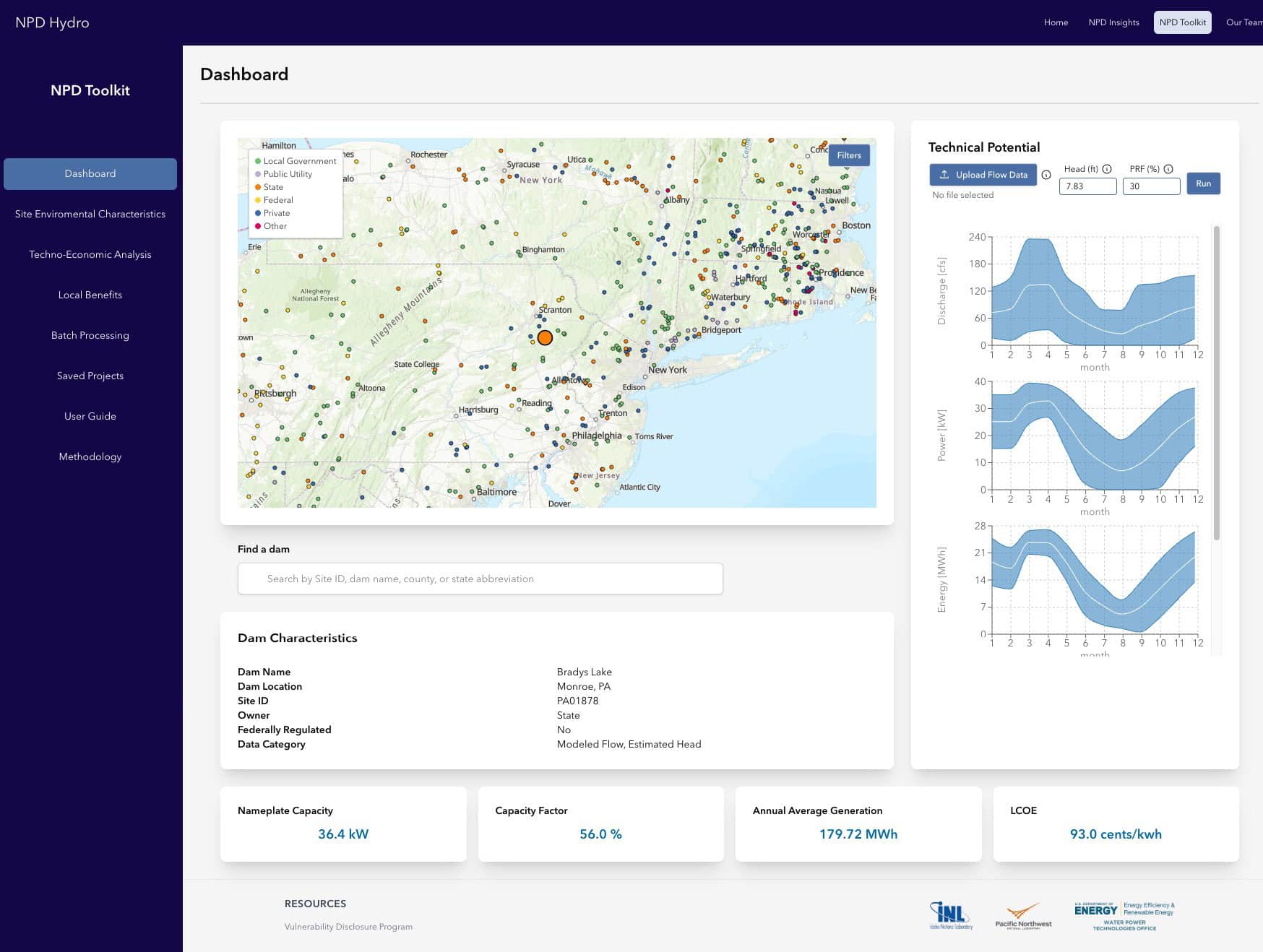
The Non-Powered Dam Hydropower Development and Ranking Opportunity Tool—NPD HYDRO—is an interactive, web-based tool that helps users identify and prioritize dams for potential hydropower development.
Users can customize the analysis based on their goals and compare sites across four areas:
Grid
Examine potential generation, grid-support opportunities and proximity to electric infrastructure.
Community
Consider factors such as energy costs, extreme-weather risks and proximity to schools, hospitals and other critical facilities.
Industry
Explore proximity to potential energy users and opportunities such as hydrogen production.
Environment
Incorporate environmental considerations into early-stage site screening.
The tool is intended for national-level screening and prioritization. Sites identified through NPD HYDRO will require additional engineering, economic, environmental and regulatory analysis before development.
Energy Storage Opportunities
Energy storage can increase the flexibility and potential value of a hydropower project. NPD HYDRO helps users screen sites for several storage options:
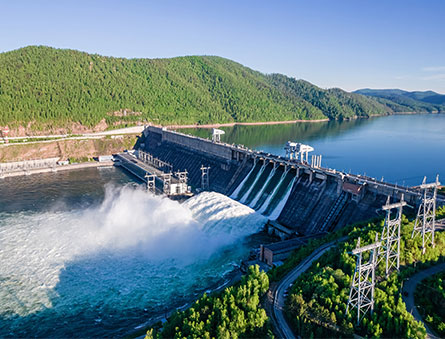
Pumped-storage hydropower
Uses reservoirs at different elevations to store energy by moving water to an upper reservoir when electricity demand is lower and releasing it through a turbine when power is needed.

Battery storage
Stores electricity for later use and can support grid services, backup power and recovery following an outage.
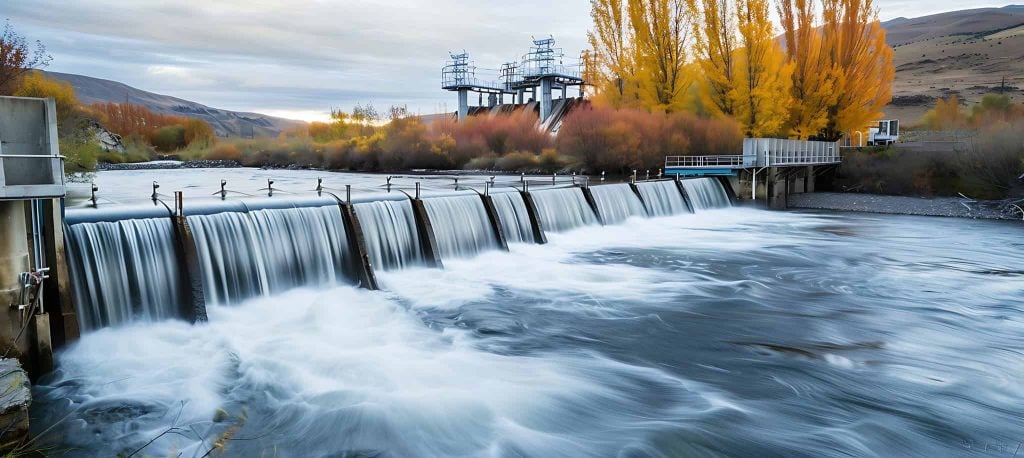
Hydrogen production
Uses electricity to power electrolysis and produce hydrogen. Potential production depends on factors such as a dam’s generation capacity and capacity factor, while project value may be influenced by nearby industrial facilities and other potential hydrogen users.
Potential Benefits of Non-Powered Dam Conversion
Adding generation to an existing dam may create opportunities to:
Expand electricity generation
Produce power using infrastructure already serving flood-control, navigation, irrigation, recreation or water-supply purposes.
Support communities
Strengthen energy infrastructure near schools, medical facilities and other important community resources.
Serve industry
Provide electricity for nearby industrial loads or support hydrogen-production opportunities.
Improve grid flexibility
Pair hydropower with storage technologies to provide additional grid services.
Create local value
Support investment and economic activity in surrounding communities.
Avoid new dam construction
Evaluate generation opportunities at existing structures rather than building an entirely new dam.
The potential benefits, costs and impacts will vary by location and must be evaluated for each project.
Research and Data Behind NPD HYDRO
Researchers at INL and Pacific Northwest National Laboratory developed NPD HYDRO with funding from the U.S. Department of Energy’s Hydropower and Hydrokinetic Office. Sapere Consulting supported market analysis used to help align the tool with industry needs.
The project also builds on complementary non-powered dam research and technical-potential data developed by Oak Ridge National Laboratory. Together, these efforts provide developers and decision-makers with better information for evaluating hydropower opportunities at existing dams.
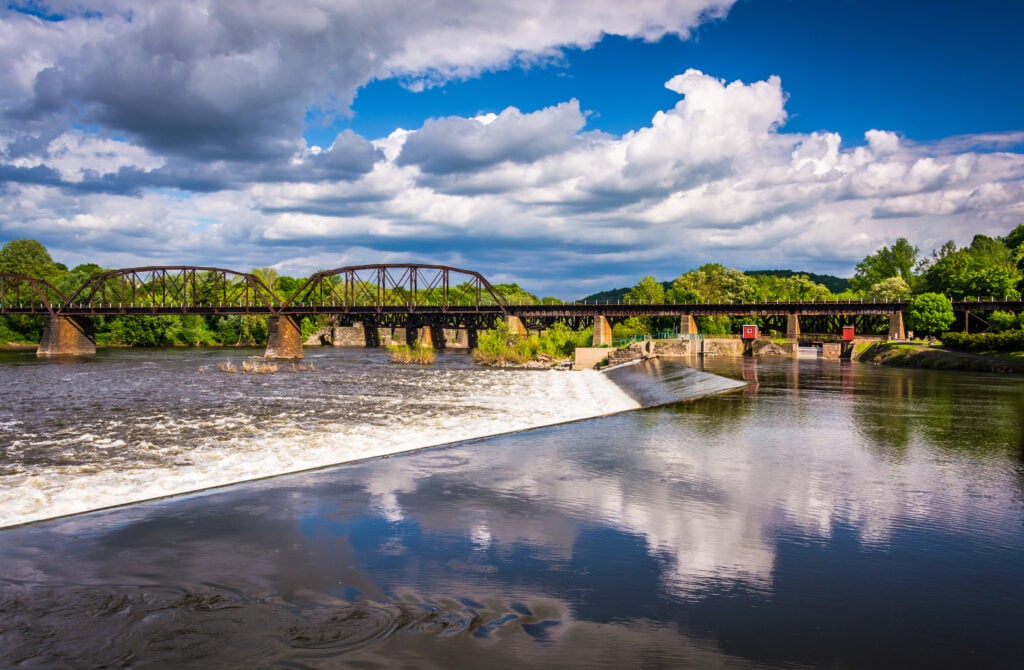
Connect with our Team
Interested in evaluating non-powered dam sites, applying NPD HYDRO or exploring a research partnership? Contact the project team to discuss your organization’s needs.
Additional Resources