
Electronics Recycling
Community-tested tools and strategies for making electronics recycling more accessible — and education programs that inspire the next generation to lead the way.

Why Electronics Recycling and Why Now?
Millions of households own battery-containing devices — smartphones, laptops, power tools, toys — but most don’t have a clear, convenient way to dispose of them responsibly. When these devices end up in landfills, they create hazards for waste workers and communities. At the same time, valuable materials like lithium, cobalt and nickel are permanently lost.
With funding from the U.S. Department of Energy’s Vehicle Technologies Office, Idaho National Laboratory led a three-year research initiative to understand what actually drives communities to recycle electronics — and what gets in the way. Working alongside Sunnking Sustainable Solutions and eCyclers of Idaho, the team ran collection events, surveyed residents, and brought e-waste education into schools across Idaho and New York.
“Only 15% of e-waste was recycled in the U.S. in 2020. And half of all states have no electronics recycling laws. Improving collection means understanding what drives people to participate.”

What Happens When Electronics Aren't Recycled
Improperly disposed electronics create risks that go well beyond a full recycling bin, touching public safety, the environment, and the materials that power our everyday devices.
Risk to Public Safety
Lithium-ion batteries in waste facilities create fire hazards for workers and surrounding communities.
Loss of Critical Materials
Lithium, cobalt and nickel are lost permanently when devices go to landfill, increasing U.S. reliance on foreign material sources.
Electronics End Up in Landfills
Without convenient recycling options, most household electronics end up in the trash, where they harm the environment.
How INL Approached the E-Waste Problem
This project wasn’t just about hosting recycling events. It was about understanding what makes them work, so that communities anywhere can do the same. These were the objectives that guided three years of community events, school outreach and real-world testing.
Compare collection strategies in states with and without electronics recycling laws.
Understand the barriers that prevent communities from recycling electronics and how to remove them.
Increase collection rates of battery-containing devices in both states.
Build public understanding of battery safety and responsible recycling practices.
Develop tools and resources that any community can adapt and use, no matter their state's recycling laws.
Putting the Research Into Practice
As part of a 2024–2027 initiative, INL took two complementary approaches. In Idaho and New York, the team organized public collection events that gave residents a safe, convenient place to drop off electronics.
At the same time, an education program brought e-waste awareness into Idaho schools and communities, giving students and families the knowledge to make better decisions at home. Together, these programs tested what works — so others don’t have to start from scratch.
How INL Brought Community E-Waste Collection Events to Idaho and New York
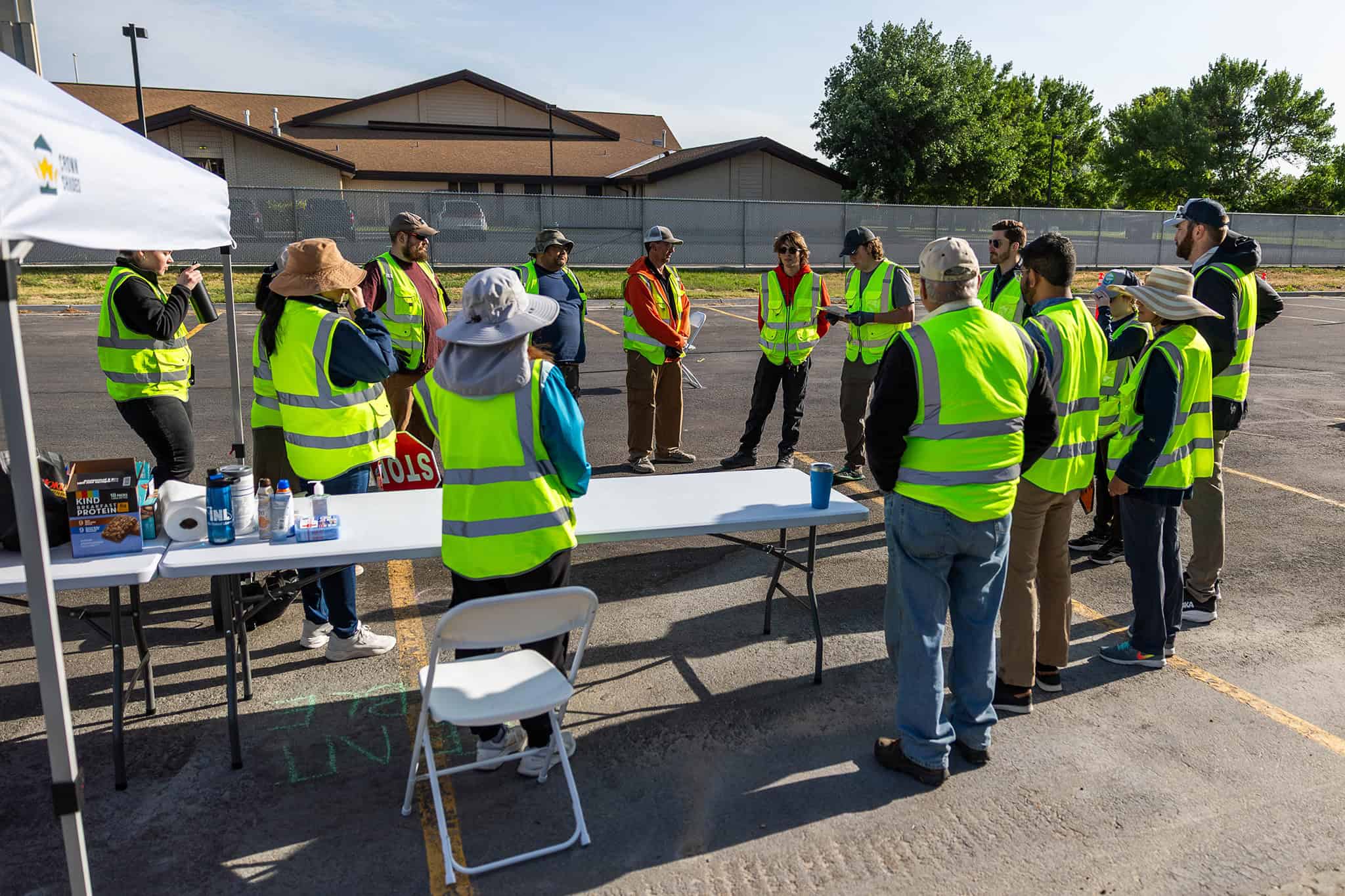
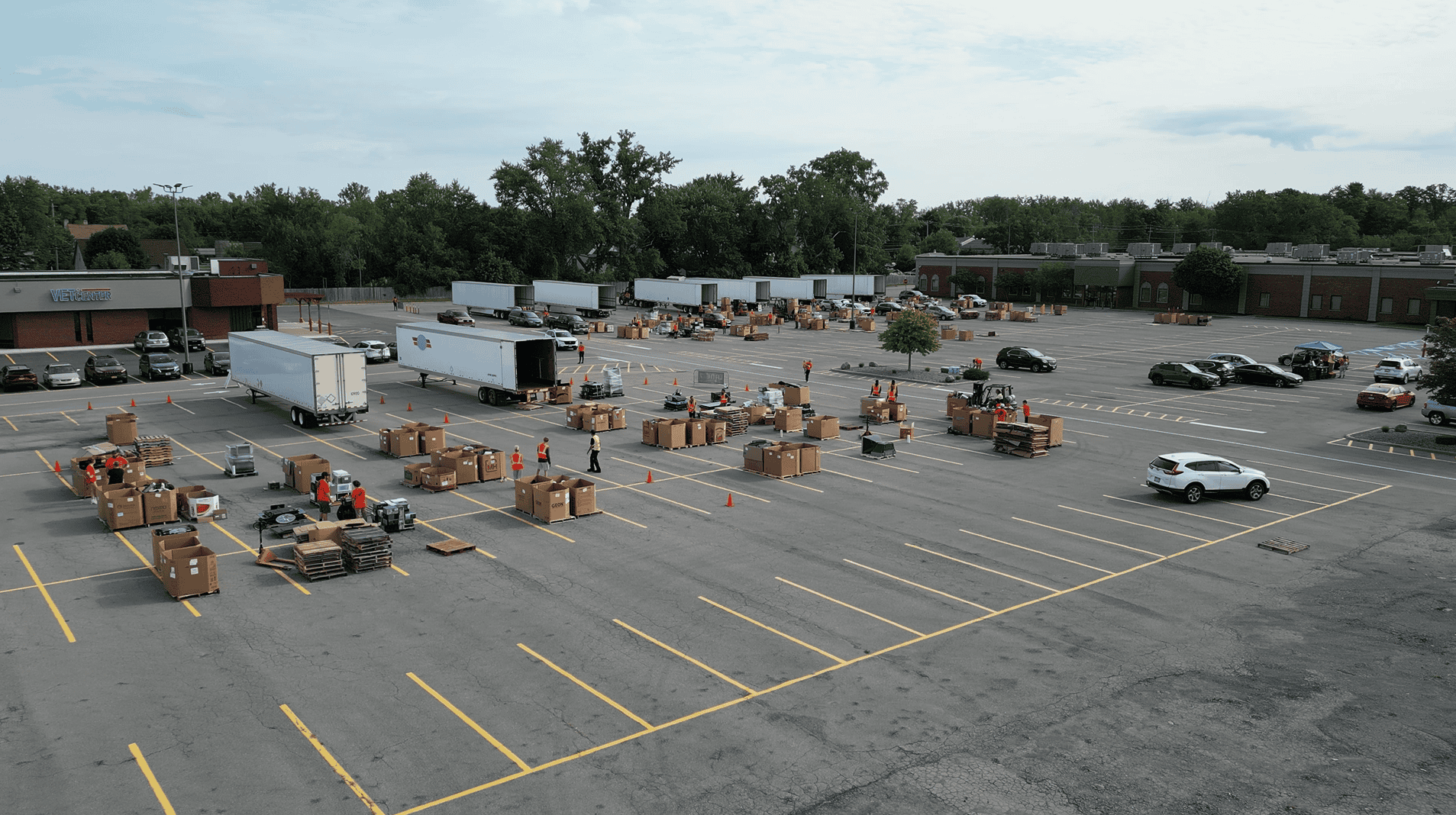
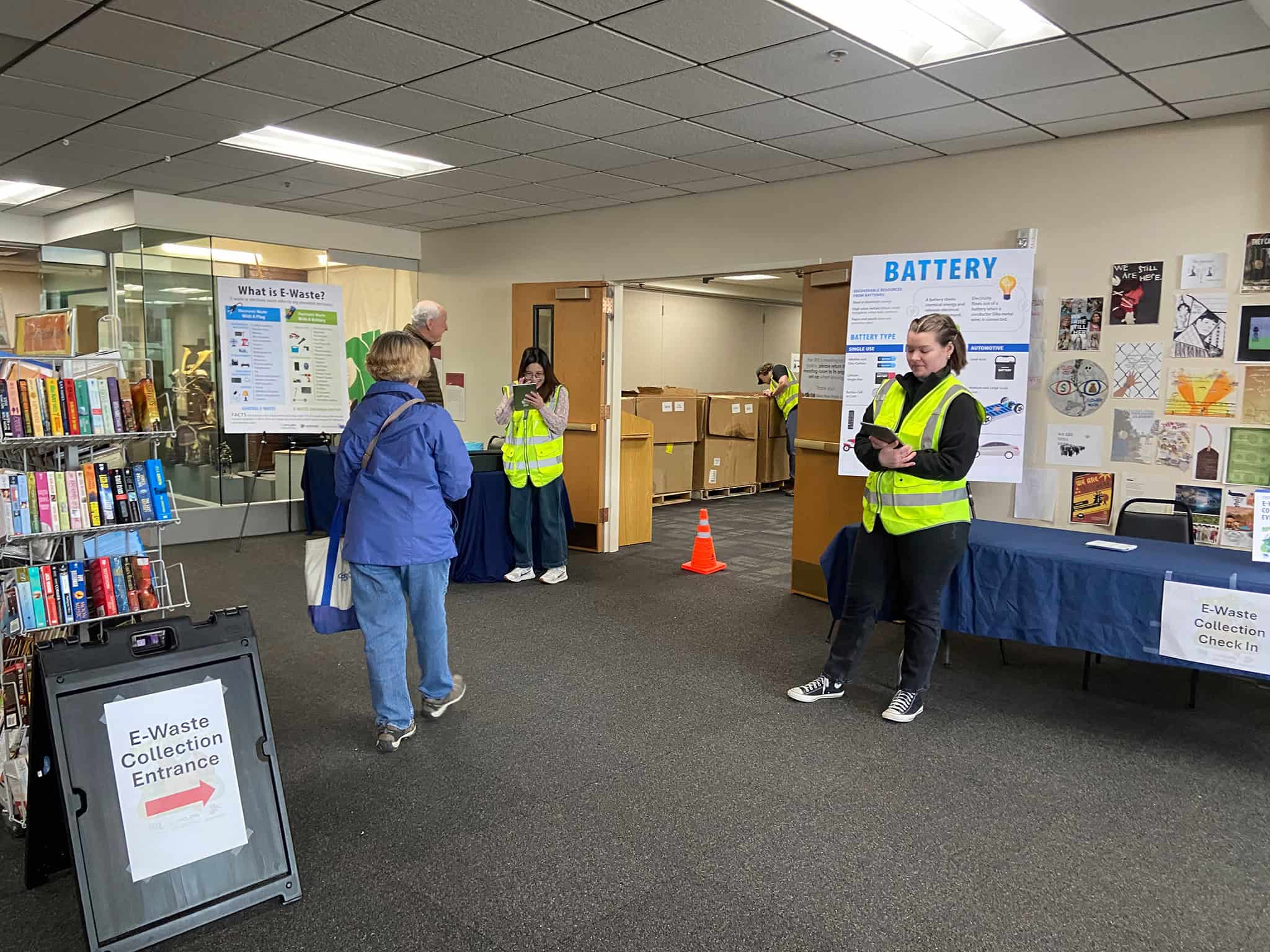
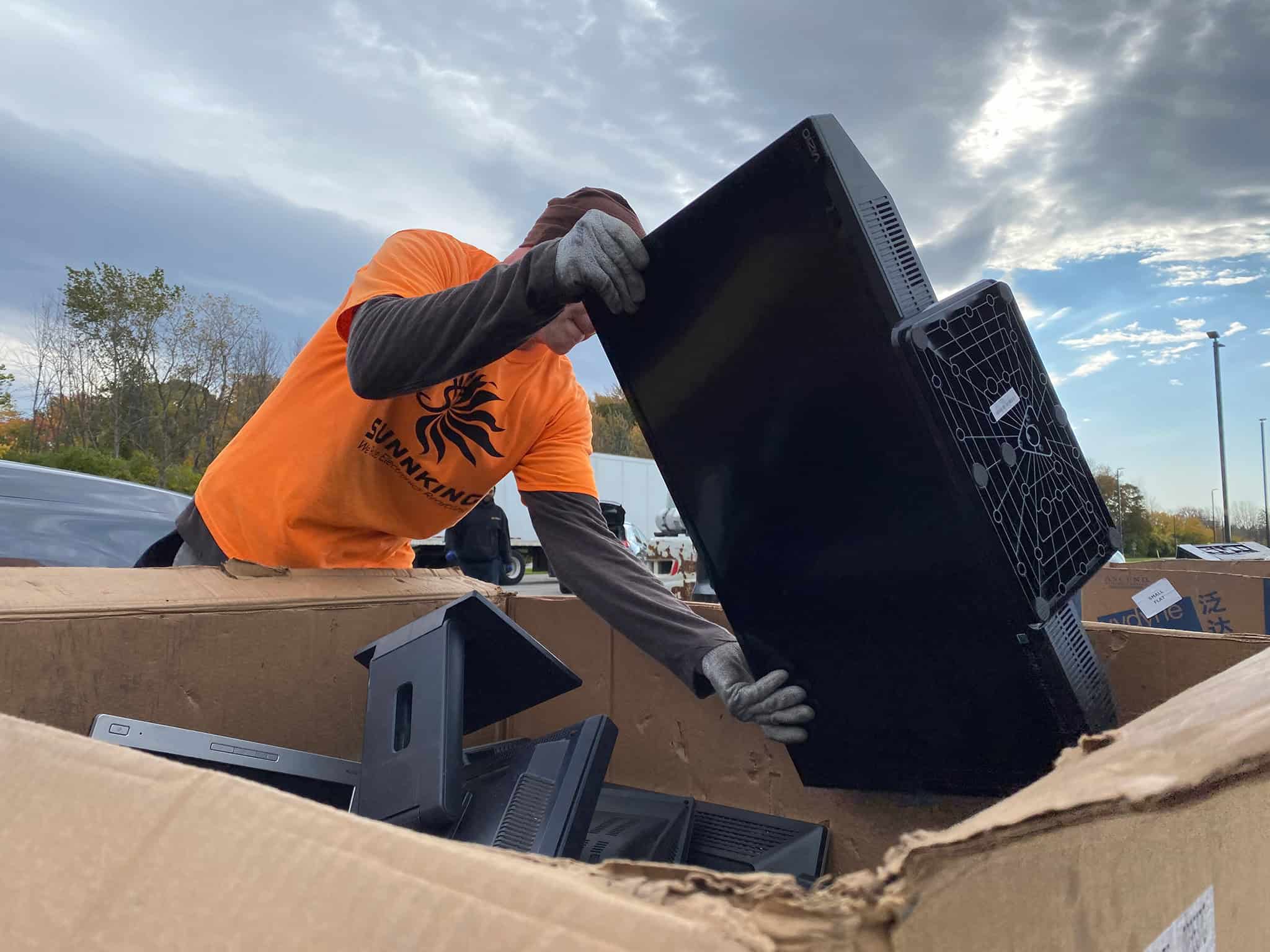
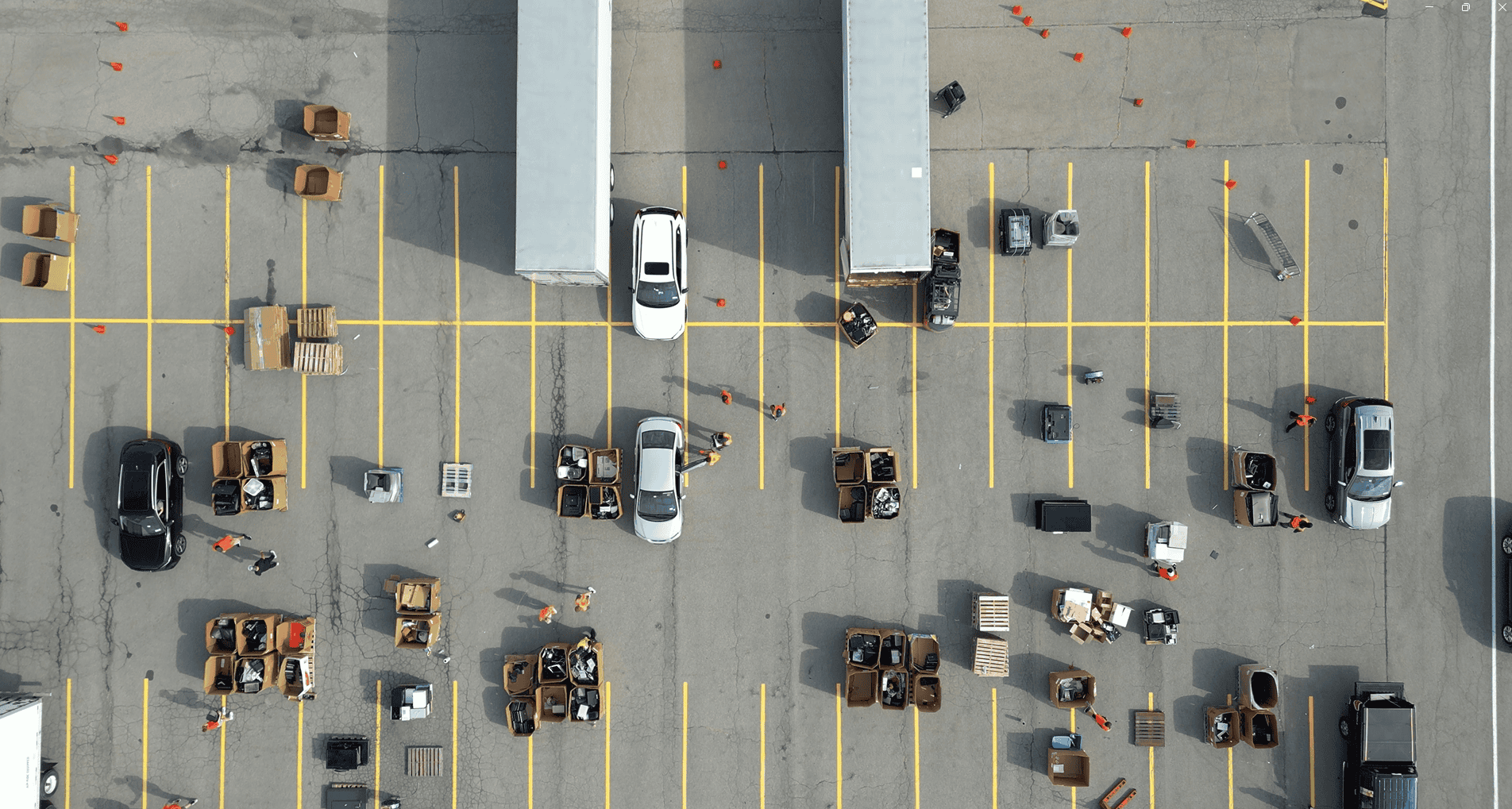
INL organized public collection events across Idaho and New York, testing different approaches to understand what drives community participation. Events were held at accessible locations with clear drop-off instructions and the support of local recycling partners. Residents who participated were also invited to complete a survey, helping the team refine future events.
- Both indoor and outdoor events were tested, with indoor settings producing more consistent turnout.
- Events expanded over time to reach new and rural communities beyond established urban areas.
- Digital outreach campaigns drove the majority of awareness, reaching 766,000+ people through media coverage & social channels.
- 1,800+ surveys were completed, providing data to improve future program design.
Statistics represent program data collected through June 2026.
How INL Brought E-Waste Education and Outreach to Idaho
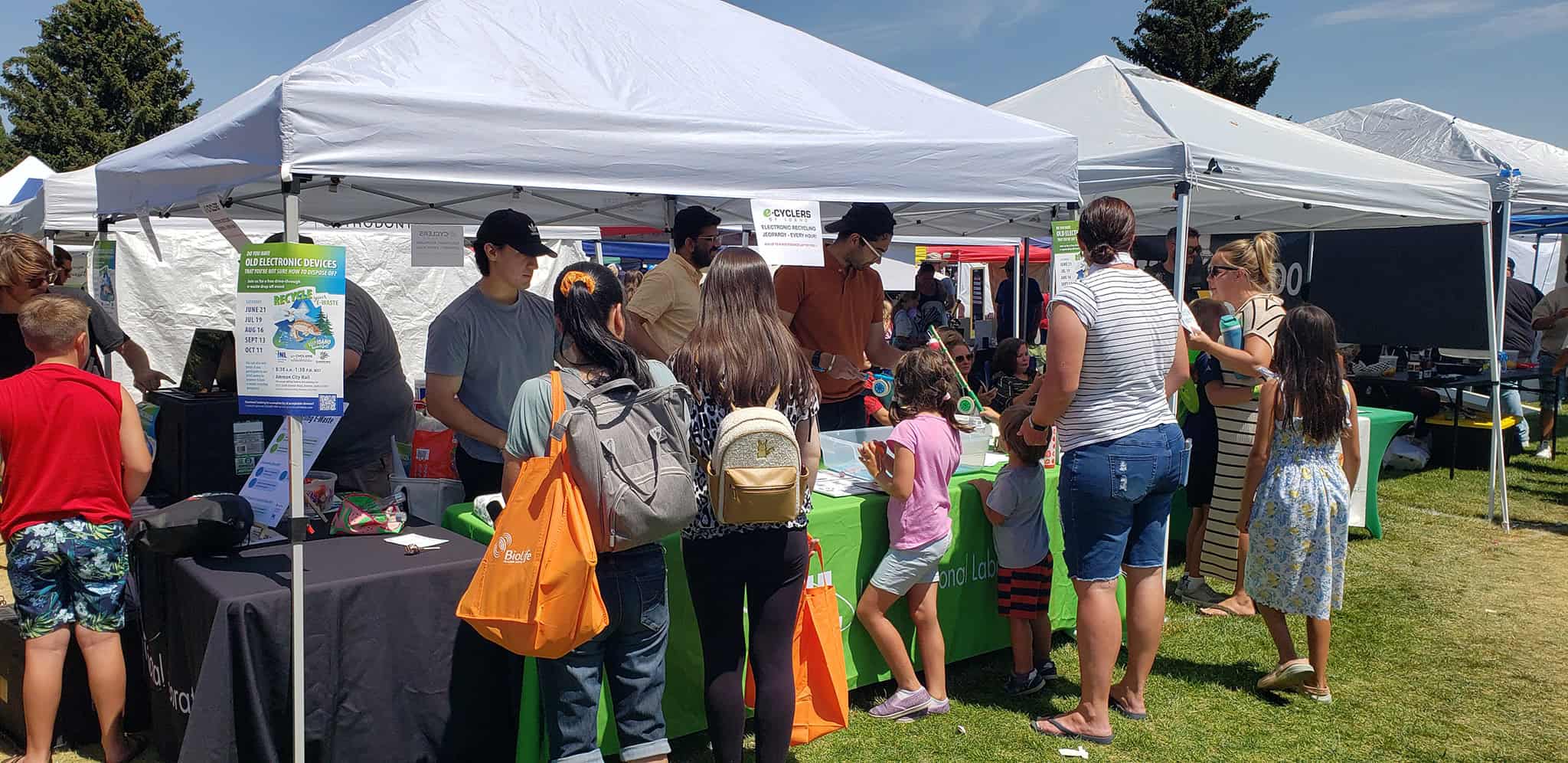
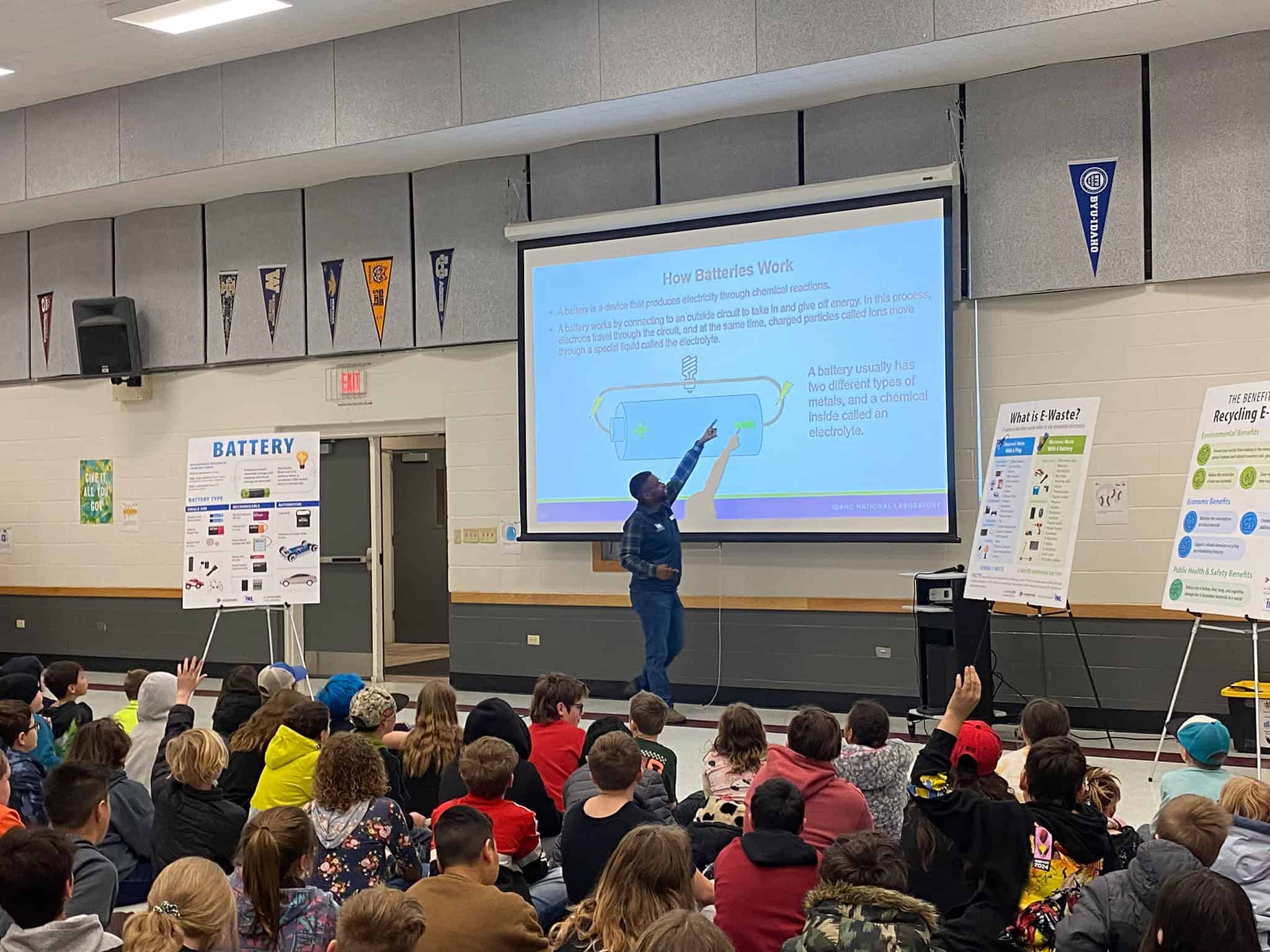
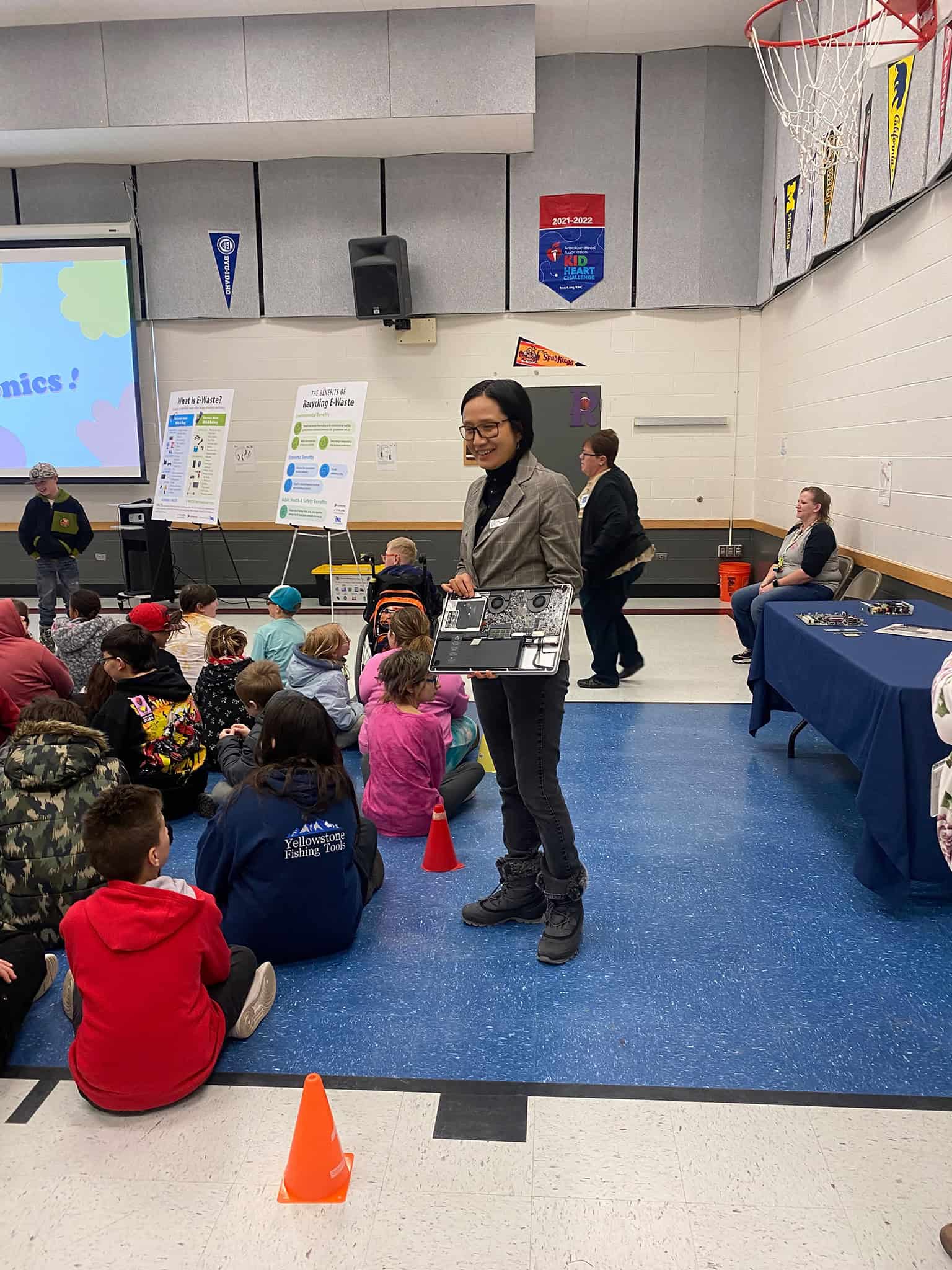
In Idaho, INL partnered with local schools to bring age-appropriate e-waste education to students across grade levels. Programs were designed to extend learning into the home, equipping families with the knowledge to make responsible recycling decisions. Outreach also reached wider audiences through interactive fairs and community events.
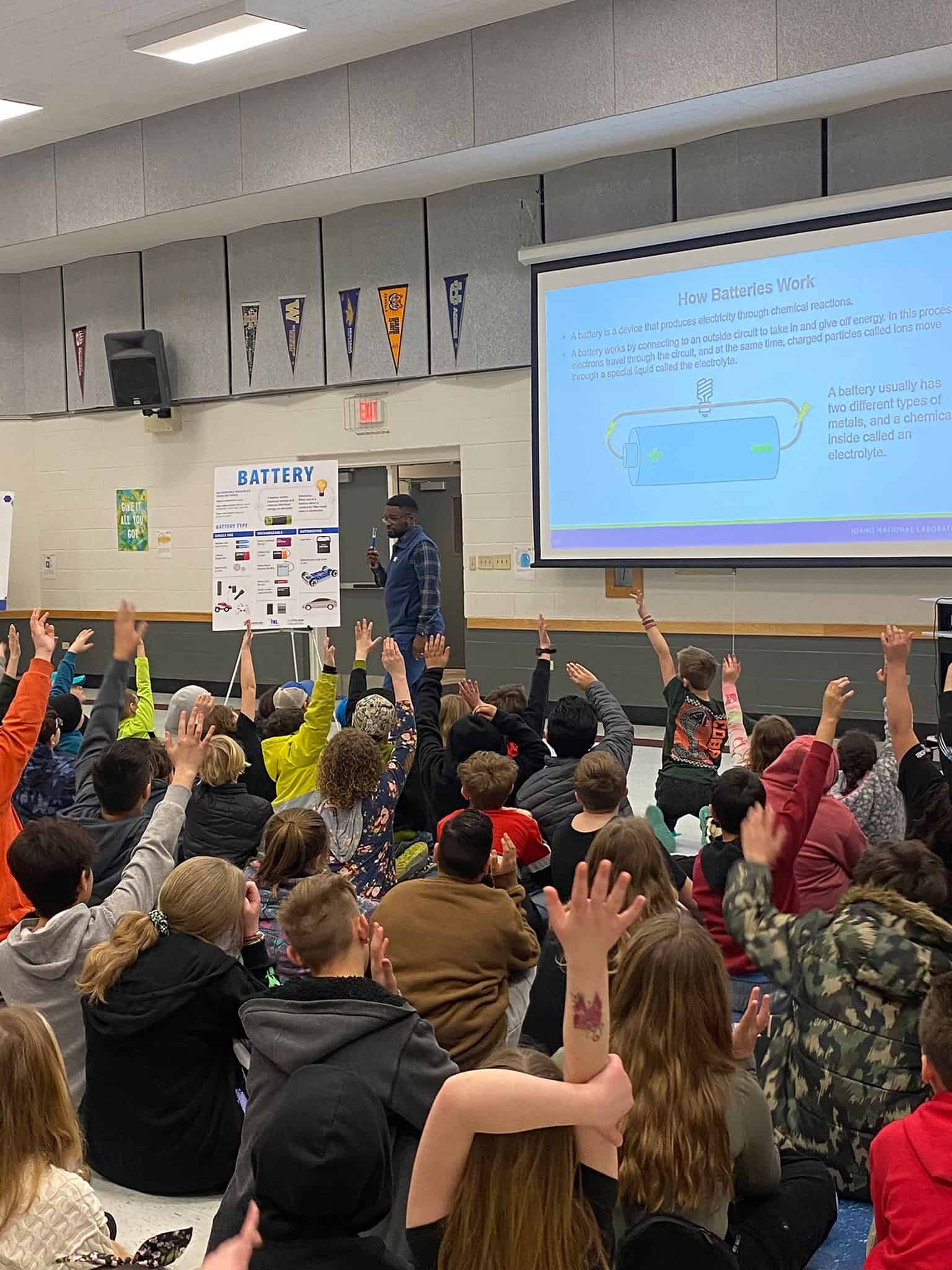
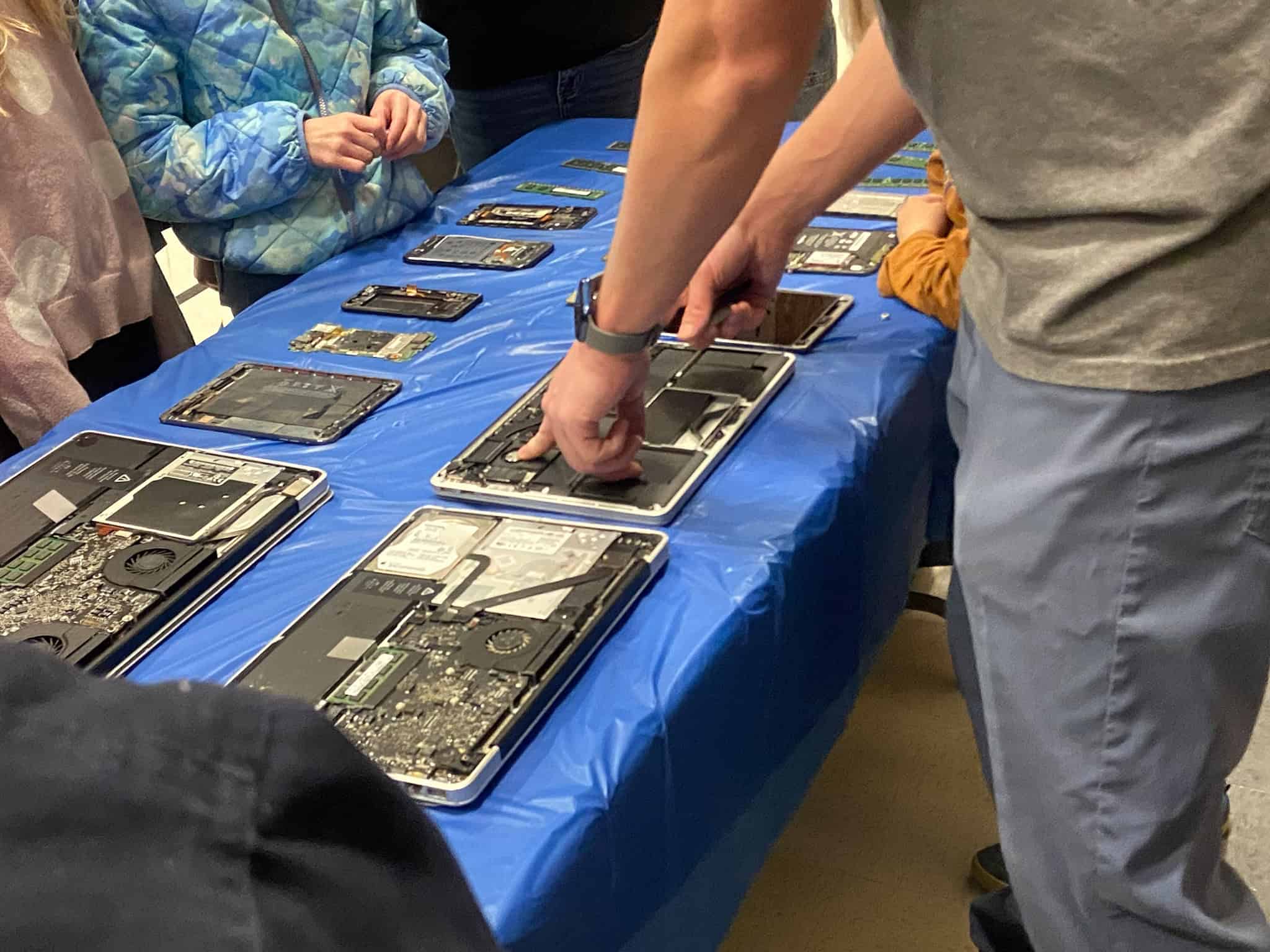
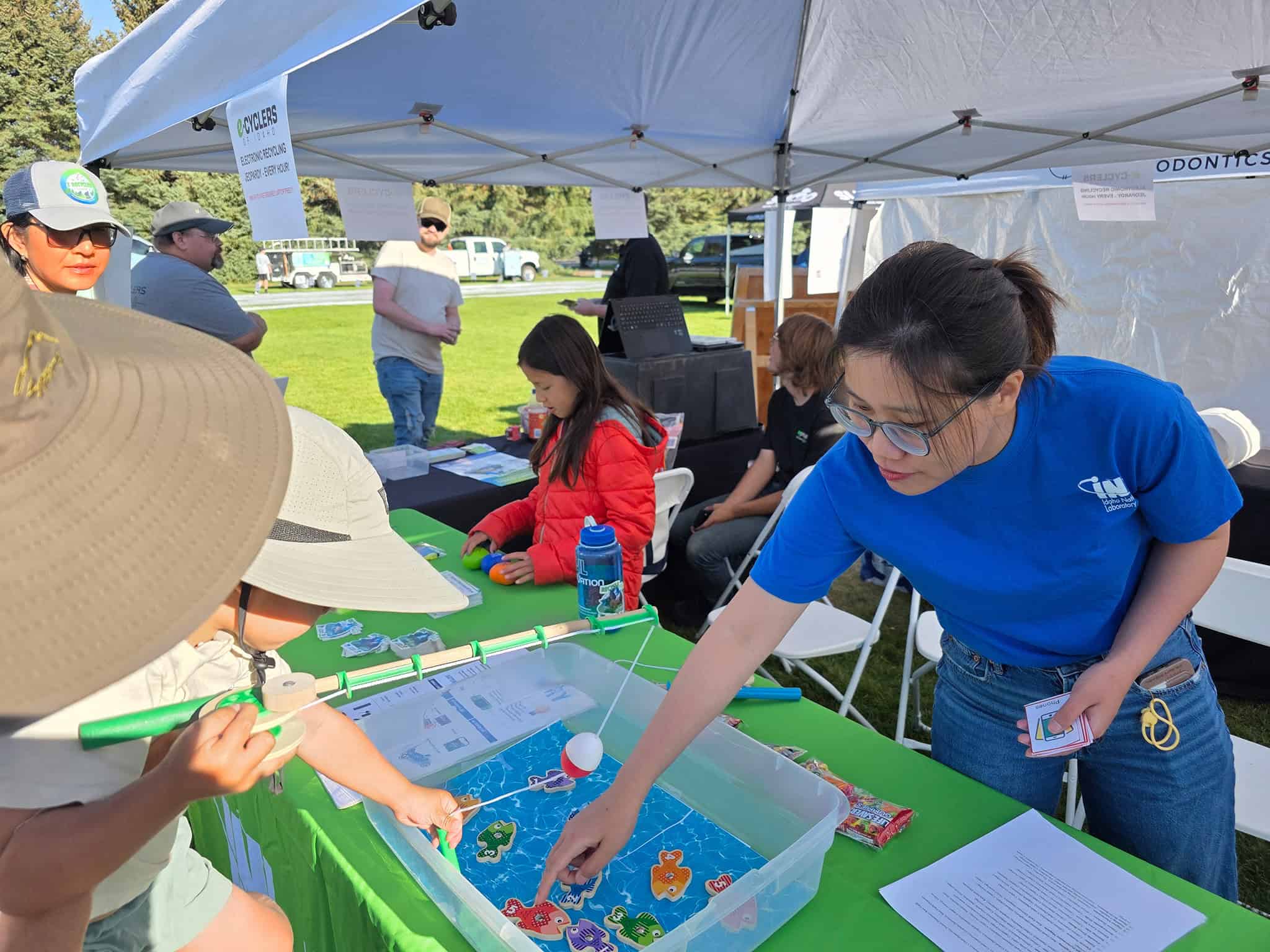
- Classroom visits included presentations, interactive activities and take-home materials for elementary through high school students.
- INL engaged 500+ students & parents at STEM activities and city fairs outside the traditional classroom setting.
- Schools across Idaho participated in the program, including 19 elementary, 5 middle and 9 high schools, with three tribal schools notably taking part, totaling 33 schools engaged.
- The Idaho Falls High School Environmental Club was supported directly, engaging 30+ students in hands-on collection efforts.
Statistics represent program data collected through June 2026.
How to Improve Electronics Recycling in Any Community
Over three years of research and real-world implementation, several key insights emerged. These findings held true across both states and both program types, and they can inform anyone looking to improve electronics collection in their own community.
- Convenience is one of the most important drivers of participation.
- Clear, consistent messaging improves public understanding and engagement.
- Safety-focused communication is particularly effective for battery-containing devices.
- Partnerships with local organizations and schools significantly enhance reach and impact.
- States without formal recycling laws can still achieve strong outcomes through targeted outreach and program design.
Building "Soft" Infrastructure
A key outcome of this project is the concept of ‘soft’ infrastructure: the non-physical systems that enable effective collection programs. These systems are what make the difference between a one-time event and a sustainable program.
Effective electronics recycling is achievable in any community, with or without state recycling laws.
The tools and resources developed through this initiative are designed to be adapted and applied by communities across the country. Together, we can make electronics recycling accessible, convenient and sustainable.
Bring Electronics Recycling to Your Community
INL’s three years of research and real-world testing produced more than findings — it produced a practical set of tools designed to help any community improve electronics recycling. Whether you want to host a public collection event or bring e-waste education into local schools, everything you need to get started is available here for free.
Host a Collection Event
Ready to host your first event? Start with the handbook and video, then use our promotion and day-of resources to guide you through every step.
Deliver School Education
Bringing e-waste education to your school? Our practical guide walks you through everything, and our presentations are ready to use as-is.
Downloadable materials provided as-is. Sponsor logos do not constitute endorsement of any future events.
Frequently Asked Questions
What is e-waste?
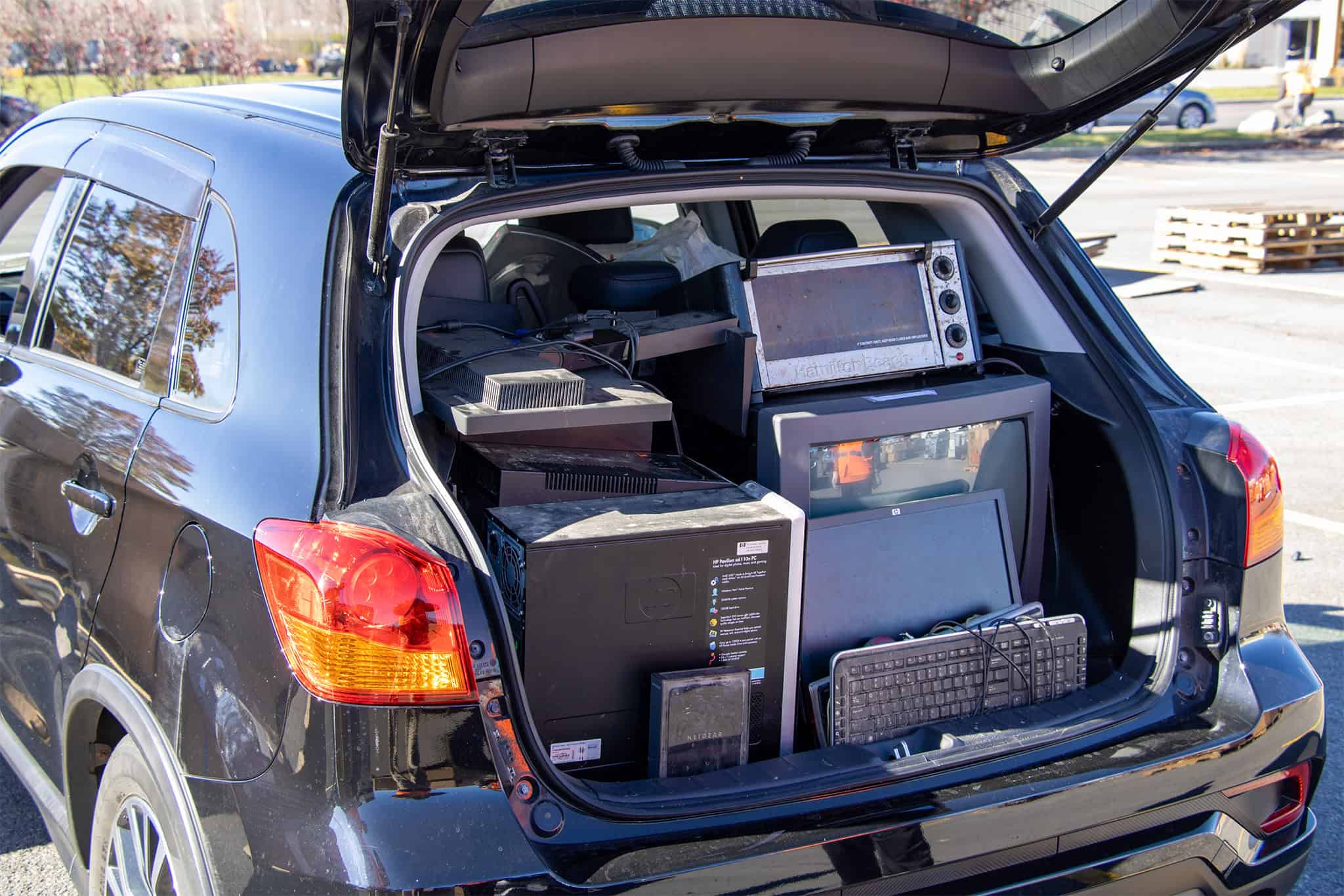
E-waste refers to any electronic device containing a circuit board, batteries or a plug. Examples include computers, printers, televisions, cell phones, stereos, gaming devices, medical equipment and small appliances.
What can be recycled?
Most electronics with a circuit board, cable or metal can be accepted, whether working or not.
Common items include:
- Computers, monitors and televisions
- Cell phones, tablets and gaming devices
- Printers, scanners and fax machines
- Batteries
- Routers, modems and other networking equipment
- Refrigerators
What items are not accepted at collection events?
The following items are not accepted at collection events:
- Fluorescent light bulbs
- Large appliances, such as washers, dryers and treadmills
Do I need to prepare my electronics before drop-off?
No extensive preparation is required. However, removing personal items and ensuring devices are ready for transport is recommended.
Please watch our video below for further guidance.
What is the difference between indoor and outdoor events?
Both indoor and outdoor collection events are offered throughout the year. Indoor events are typically held during colder months and require participants to bring items inside. Outdoor events allow participants to remain in their vehicles while staff unload e-waste.
Connect with our Team
Questions about e-waste recycling or community partnerships?
Our team can provide information about the program, resources and opportunities to get involved.
Additional Resources