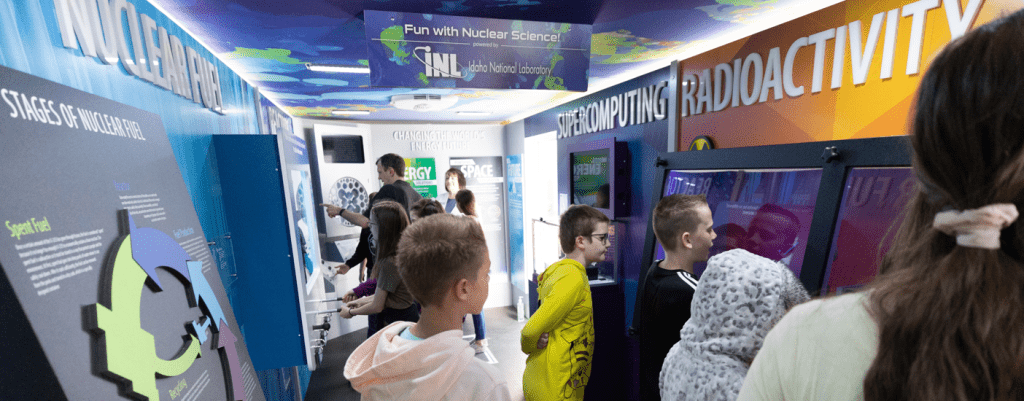
Nineteen-year-old Keylii Tsosie carefully maneuvered a scissor lift across the worksite, applying skills he had recently learned.
Just days earlier, Tsosie earned his certification to operate the equipment through the Tribal Future Corps program, a partnership between the Idaho National Laboratory and the Shoshone-Bannock Tribes designed to introduce tribal youth to careers in skilled trades and technology. This year marks the fifth year of a memorandum of understanding between the two organizations, a partnership that continues to expand educational opportunities, workforce development and collaboration in skilled trades.
“Getting my license to run the lift made me feel very accomplished, and I was grateful for the opportunity to be able to do something new,” Tsosie said.
For Tsosie and 14 other students participating in Tribal Future Corps, the experience represented more than a summer internship.
It was a chance to move beyond learning about careers and begin practicing them.
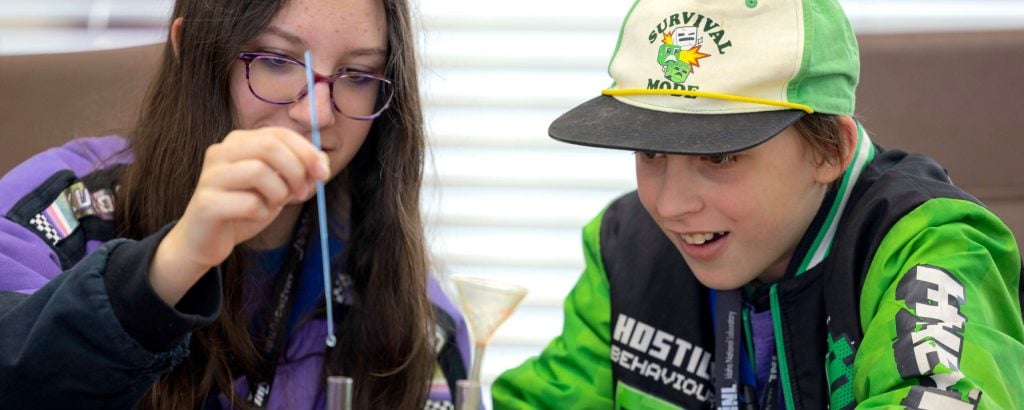
Tribal Future Corps reflects a shared investment in education, workforce development and creating meaningful opportunities for tribal youth. Through hands-on projects, mentorship and workplace exposure, students spent four weeks exploring career pathways while developing skills that extend far beyond the job site.
Throughout the program, participants worked alongside professionals, earned certifications and gained firsthand experience in trades and crafts. They learned how to operate equipment, solve problems and navigate professional environments while building confidence.
But the program was designed to teach more than job skills. Four ideas surfaced repeatedly in conversations with students and mentors alike: integrity, leadership, confidence and adaptability.
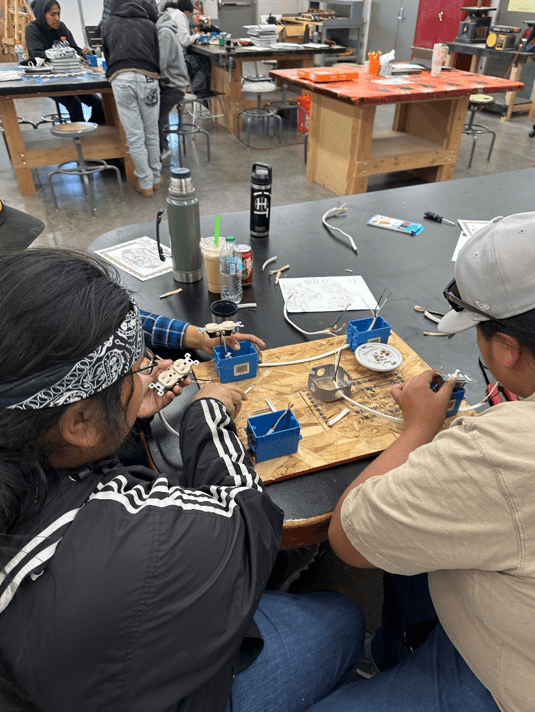
Those principles were woven into daily activities, from workplace expectations and team projects to resume building and interview preparation. Students were encouraged to think not only about the careers they hoped to pursue, but also about the kind of professionals and leaders they wanted to become.
For 18-year-old Ace Mendez, who hopes to become a welder, those lessons are already shaping his future.
“Building my resume and certification portfolio has prepared me for employment. With the guidance of my mentors, I have learned how to present my skills, experience, and qualifications effectively to future employers,” Mendez said.
The emphasis on career readiness is one of the program’s defining features. Students practiced interviewing, refined resumes and learned how to present themselves professionally, gaining tools that can serve them regardless of their chosen career path.
“Our instructors are role models for our students because they genuinely care about their success, career readiness and future,” said Pam Eschief, superintendent of Sho-Ban Junior/Senior High School. “Our hope is that these students return to the Shoshone-Bannock Tribes with the skills they’ve gained through this program to help build a stronger workforce. Beyond career preparation, they’re learning life skills and discovering opportunities that will benefit both themselves and our community.”
While many STEM programs introduce students to possible careers, Tribal Future Corps offers something different: the opportunity to experience those careers firsthand.
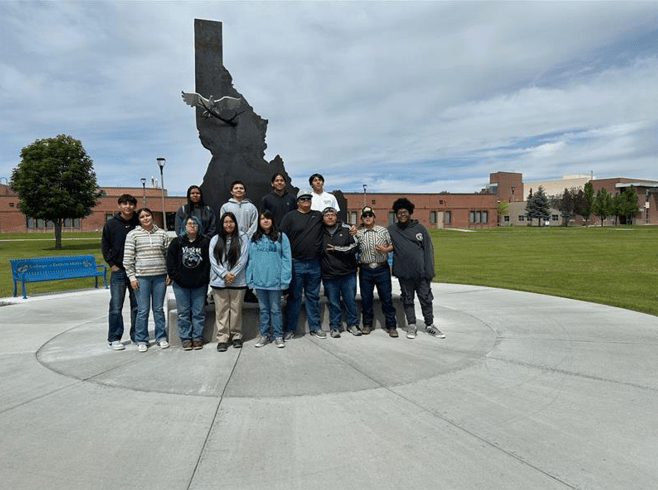
Stepping into workshops and professional workspaces gave students a clearer understanding of where their interests and abilities align. Some may choose skilled trades, apprenticeships, technical programs or higher education.
For 17-year-old Mireya Dogsleep, the experience meant confronting fear and pushing beyond her comfort zone.
“Yesterday I was working on the ceiling in our shop, and I was scared to try something new, but I did it anyway,” Dogsleep said. “It was a new experience, and I’m glad I tried.”
Her willingness to take on an unfamiliar challenge reflects one of the program’s most important lessons: growth often begins when students step beyond what feels comfortable.
For Matt Bates, INL coordinator of the Tribal Future Corps program, personal growth is just as important for students as gaining technical skills.
“I hope they carry the passion to keep going and use what this program taught them to chase their dreams,” Bates said.
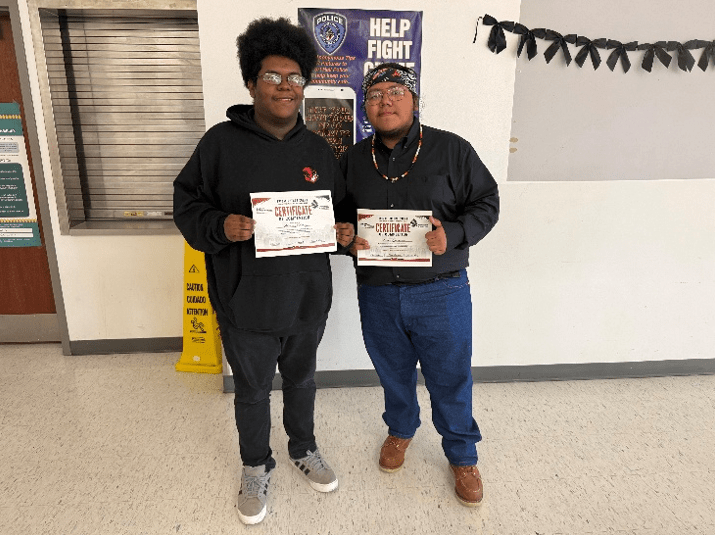
Some of his favorite moments happen after students complete the program, when former participants share where life has taken them. They tell him about the jobs they have landed, the careers they are building and the goals they once thought were out of reach.
“To see my graduates pursuing careers and thriving is what makes this work so meaningful,” Bates said.
That future was already beginning to take shape during Tribal Future Corps end-of-summer skills showcase.
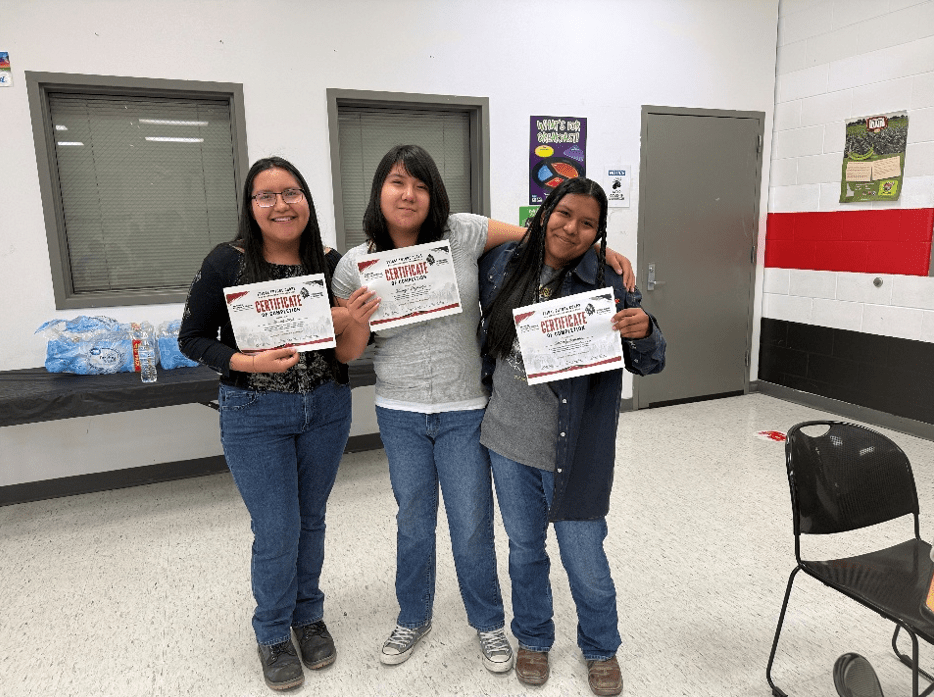
Students demonstrated the certifications they earned, projects they completed and skills they developed for family members, community leaders and INL employees. For some, it was an opportunity to showcase technical abilities. For others, it was a chance to demonstrate their newfound confidence.
Just weeks earlier, many students had entered the program uncertain of what to expect. By the end of the program, they stood before an audience sharing what they had learned and what they hoped to accomplish next.
What began as a four-week internship designed to introduce students to career and technical pathways ended with something much bigger.
Students left with new skills, professional connections and a clearer sense of where they want to go next. More importantly, they left knowing they are capable of getting there.
“I left this program knowing I can accomplish my goals and keep getting better at what I do,” Mendez said. “I learned how to adapt to different work environments, and I feel prepared for wherever life takes me.”