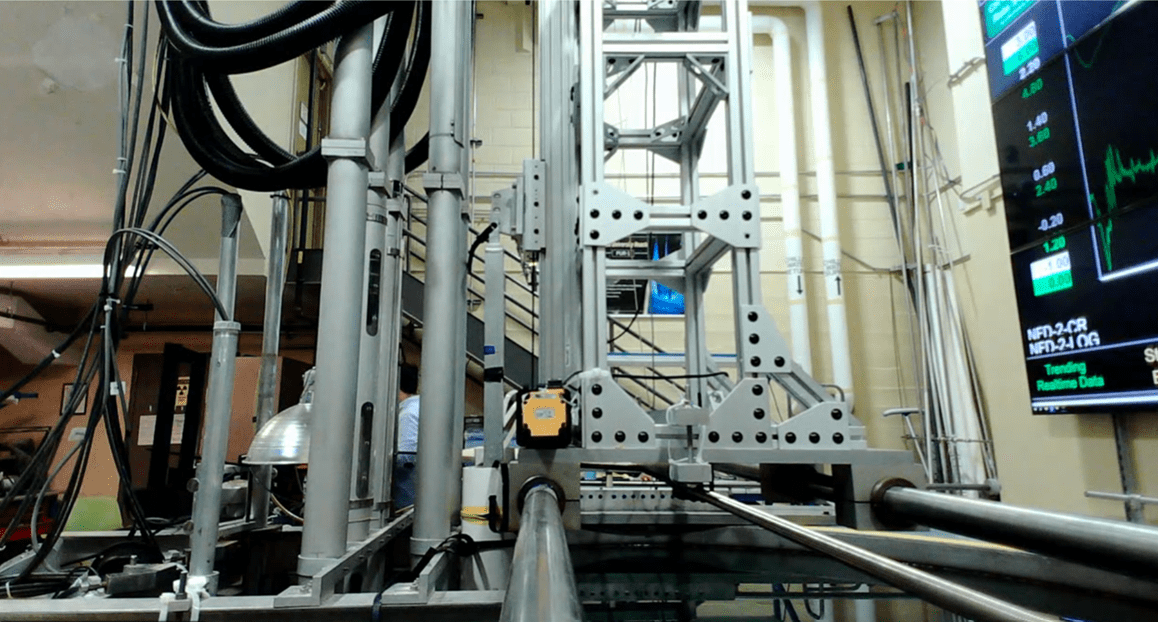
(IDAHO FALLS, Idaho) – For the first time, researchers from Idaho National Laboratory, the Grainger College of Engineering at the University of Illinois Urbana-Champaign, and Purdue University used a geographically distributed control system to remotely and automatically adjust the power of a research reactor in real time, with the reactor’s own safety systems retaining full control throughout. Working with PUR1, a low-power research reactor at Purdue, the team first demonstrated remote power adjustments through an automatic adjustment system called a digital control loop, then made the loop further autonomous using a reinforcement learning model running in software that simulates how physical forces interact within the reactor. The demonstration linked three sites operating together in real time: high-performance computing systems in Idaho, the PUR1 reactor in Indiana, and a Microsoft Azure cloud environment in Virginia.
“Researching autonomous operations is essential to the future of nuclear energy; it’s a key component of making future nuclear power plants safer, more efficient, and more reliable,” said Chris Ritter, Scientific Computing and AI division director at INL. “The idea is that if you can model a reactor with enough fidelity, you can eventually let AI safely assist in operating it. The safety case is what makes this real: the system analyzes, predicts, and adjusts, but the reactor’s own safety controls always have the final say in this experiment.”
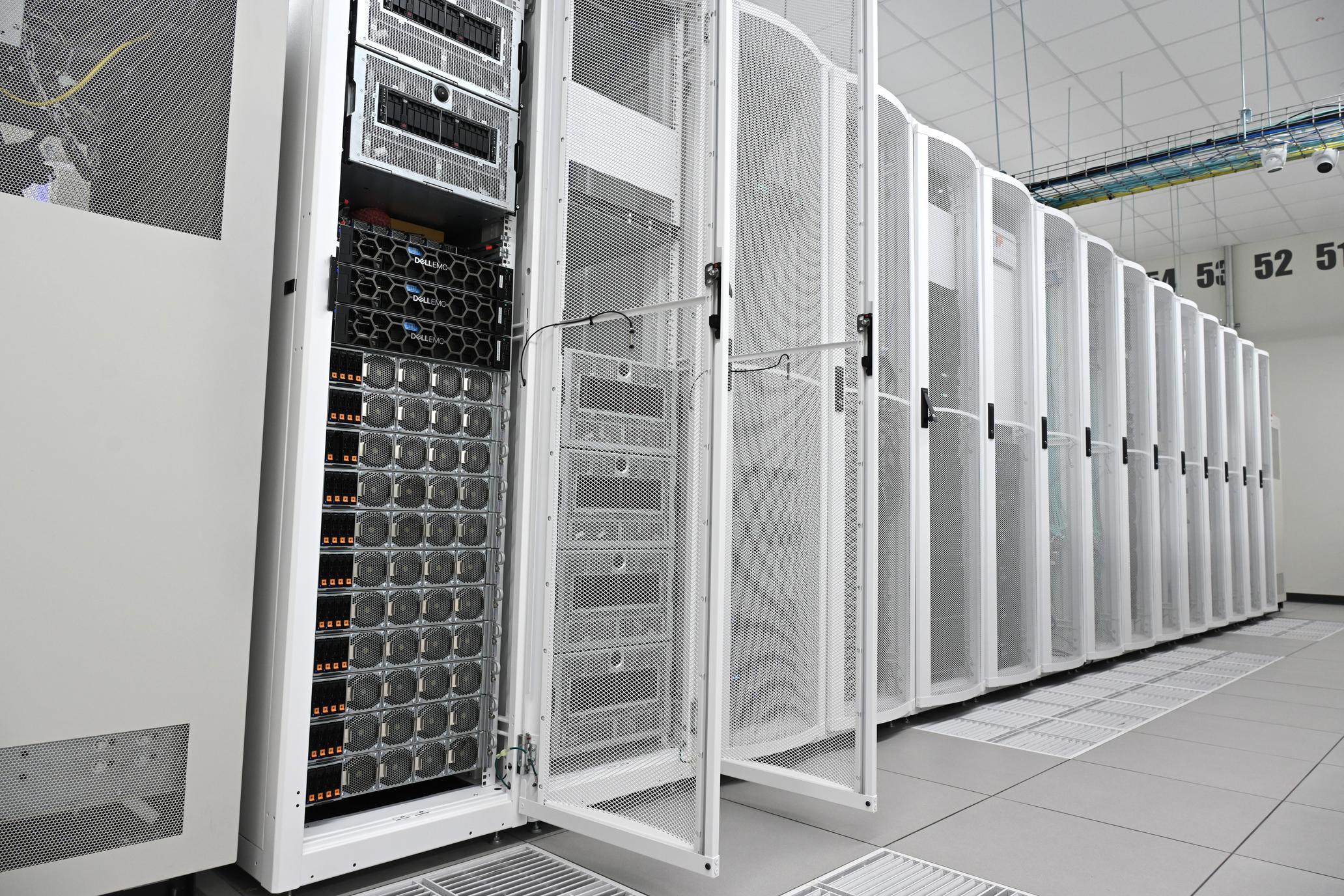
During this demonstration, the team calculated and delivered instructions for the movement of an auxiliary control rod through INL’s DeepLynx, an advanced data and control platform, using cloud-based connectivity with the PUR1 digital twin, and INL high-performance computing systems. From Idaho Falls, Idaho, the team fine-tuned reactor power to minimize small power fluctuations and maintained steady reactor operation. The team demonstrated these live autonomous reactor adjustments without any manual control-rod manipulation on site.
“This advancement greatly expands the kinds of experiments and control system research we can perform at PUR1,” said Stylianos Chatzidakis, assistant professor in the School of Nuclear Engineering and associate reactor director of PUR1 at Purdue. “Collaborations with national laboratories strengthen our ability to explore innovative reactor technologies and train the next generation of nuclear engineers.”
This milestone builds on digital twin technology originally demonstrated in 2023 and reactor secure communications demonstrated in 2025. Funded through the Laboratory Directed Research and Development program, this system analyzes conditions, predicts outcomes and adjusts autonomously, acting as a smart bridge that links virtual models to physical systems without overriding essential safety protections. This approach aligns with Nuclear Regulatory Commission requirements by operating alongside, not in place of, the reactor’s safety control systems.
“Nuclear energy technology is being reimagined from all angles. This platform will play a key role in understanding and optimizing the details of integrating these emerging designs with the applications that are building the backbone of our economy,” said Timothy Grunloh, associate director of the Illinois Nuclear Power Institute at the University of Illinois.
“Our capabilities enable organizations to harness advanced technologies, especially AI, to drive real, scalable change across the energy sector and other high impact industries,” said Microsoft Senior Director for U.S. Federal AI Nelli Babayan. “We’re unifying data, accelerating innovation and delivering more efficient, sustainable solutions.”
The demonstration shows how digital infrastructure can support advanced nuclear science and technology. Remote and autonomous operation of the PUR1 reactor directly advances the Genesis Mission challenge Delivering Nuclear Energy that is Faster, Safer, Cheaper, the Department of Energy’s national effort to use AI to accelerate nuclear energy design, licensing, manufacturing, construction, and operation with human-in-the-loop workflows.
About University of Illinois, Urbana-Champaign
The Grainger College of Engineering at the University of Illinois Urbana-Champaign is one of the world’s top-ranked institutions and a globally recognized leader in engineering and computing education, research and public engagement. With a diverse, tight-knit community of faculty, students and alumni, Grainger Engineering sets the standard for excellence in engineering and computing, driving innovation in the economy and bringing revolutionary ideas to the world. Through robust research and discovery, our faculty, staff, students and alumni are changing our world and making advances once only dreamed about, including the MRI, LED, ILIAC, Mosaic, YouTube, PayPal, flexible electronics, electric machinery, miniature batteries, imaging the black hole and flight on Mars. The world’s brightest minds from The Grainger College of Engineering tackle today’s toughest challenges. And they are building a better, cooler, safer tomorrow. Visit the Grainger Engineering website for more information.
About Purdue University
Purdue University is a public research university leading with excellence at scale. Ranked among top 10 public universities in the United States, Purdue discovers, disseminates and deploys knowledge with a quality and at a scale second to none. More than 106,000 students study at Purdue across multiple campuses, locations and modalities, including more than 57,000 at our main campus locations in West Lafayette and Indianapolis. Committed to affordability and accessibility, Purdue’s main campus has frozen tuition 14 years in a row. See how Purdue never stops in the persistent pursuit of the next giant leap — including its integrated, comprehensive Indianapolis urban expansion; the Mitch Daniels School of Business; Purdue Computes; and the One Health initiative — at https://www.purdue.edu/president/strategic-initiatives.
NEWS MEDIA CONTACTS:
Sarah Neumann, 208-520-1651, [email protected]
Lori McNamara, 208-520-6066, [email protected]