
Advanced Nuclear Research
Materials and Fuels Complex (MFC)
Idaho National Laboratory’s Materials and Fuels Complex (MFC) is home to some of the most advanced nuclear research capabilities in the world. From fuel fabrication to post-irradiation analysis, MFC enables scientists and engineers to develop, test, and refine the materials and systems that power both today’s reactors and tomorrow’s innovations.
The following sections highlight seven core areas of research and development at MFC:
Nuclear Fuel Fabrication
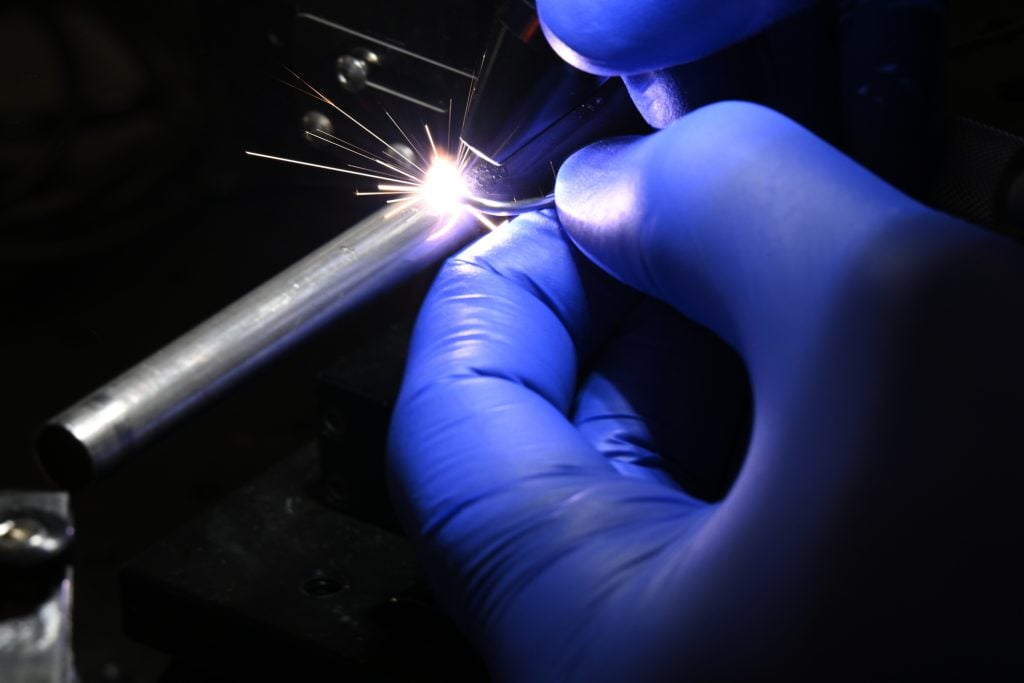
Research-Scale Production of Ceramic, Metallic, and Molten Salt Fuels
The fabrication of advanced nuclear fuels is a foundational step in developing safer, more efficient reactor technologies. At the Materials and Fuels Complex (MFC), researchers can produce a wide range of fuel types—including ceramic, metallic, and molten salt—at the research and engineering scale. State-of-the-art equipment and facilities allow researchers to support early-stage innovation, experimental validation of new fuel designs, and fabrication of fuel for nuclear developers.
Fuel Production capabilities include:
- Demonstrating novel fuel compositions and material systems
- Manufacturing first-of-a-kind fuels for demonstrations or reactor start-up
- Fabrication techniques such as sintering, machining, and electrorefining
- In-house testing and characterization of fuel properties
By enabling specialized facilities and fabrication techniques, MFC helps accelerate the development of advanced nuclear energy reactors.
Structural Nuclear Material Fabrication, Testing and Analysis
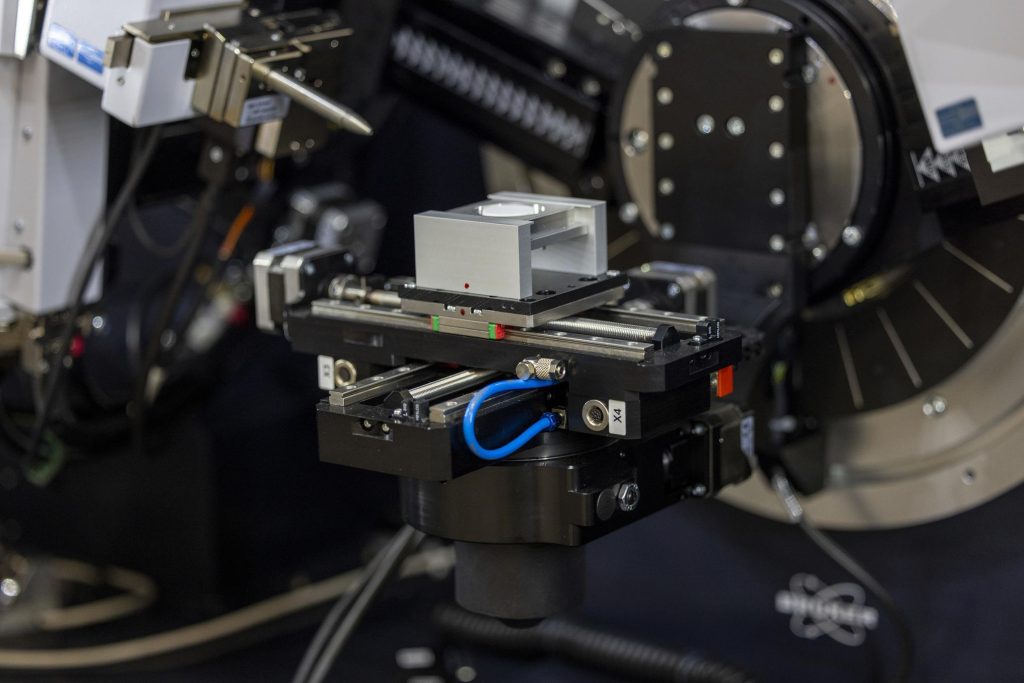
Accelerated Development and Qualification of Structural Materials
Structural materials play a critical role in the safety and performance of nuclear reactors. At the Materials and Fuels Complex (MFC), researchers conduct advanced testing and analysis of irradiated materials to support the development of components like control rods and reactor pressure vessels.
Research capabilities include:
- Testing irradiated samples using MFC’s irradiated materials library
- Characterizing mechanical, thermal, and structural properties
- Performing analysis from engineering scale down to the atomic level
These capabilities help accelerate the qualification of structural materials for current and future reactor systems, ensuring they meet the demands of safety, reliability, and long-term performance.
Fresh Fuel Characterization
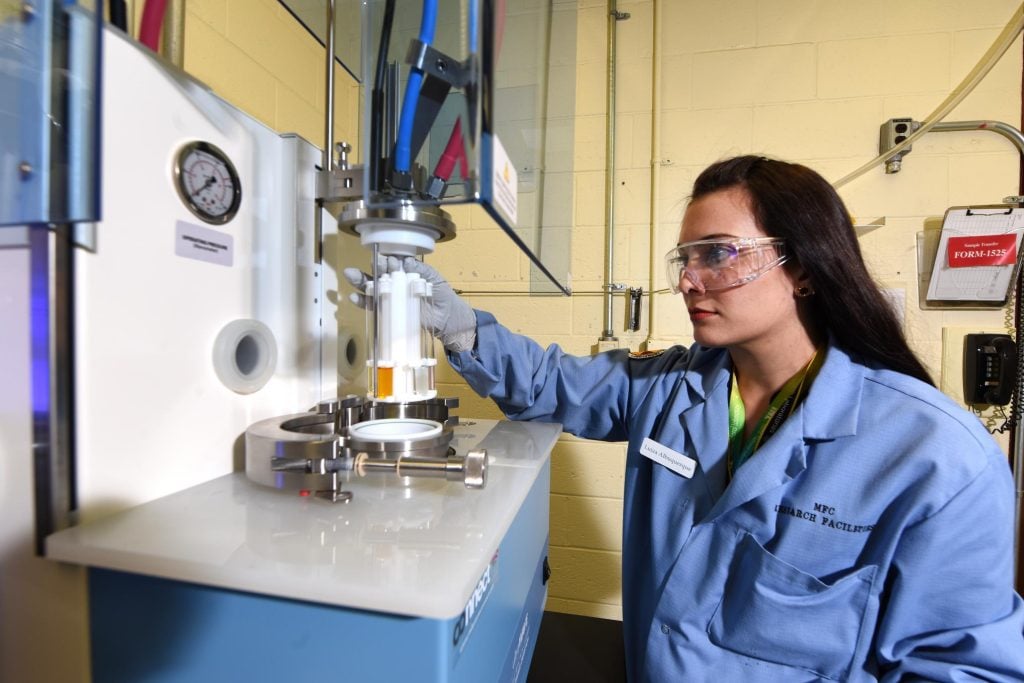
Pre-Irradiation Evaluation of Advanced Nuclear Fuels
Before nuclear fuels are introduced into a reactor, their properties must be thoroughly analyzed. The Materials and Fuels Complex (MFC) provides the facilities and expertise to characterize new fuel forms across a wide range of physical and chemical attributes.
Examination methods include:
- Analysis of physical, mechanical, chemical, thermal, and microstructural properties
- Characterizing fresh fuel material, chemical, and physical properties
- Controlled and safe environments for handling of radioactive materials
These evaluations help researchers ensure new fuels meet performance expectations before undergoing irradiation.
Irradiation
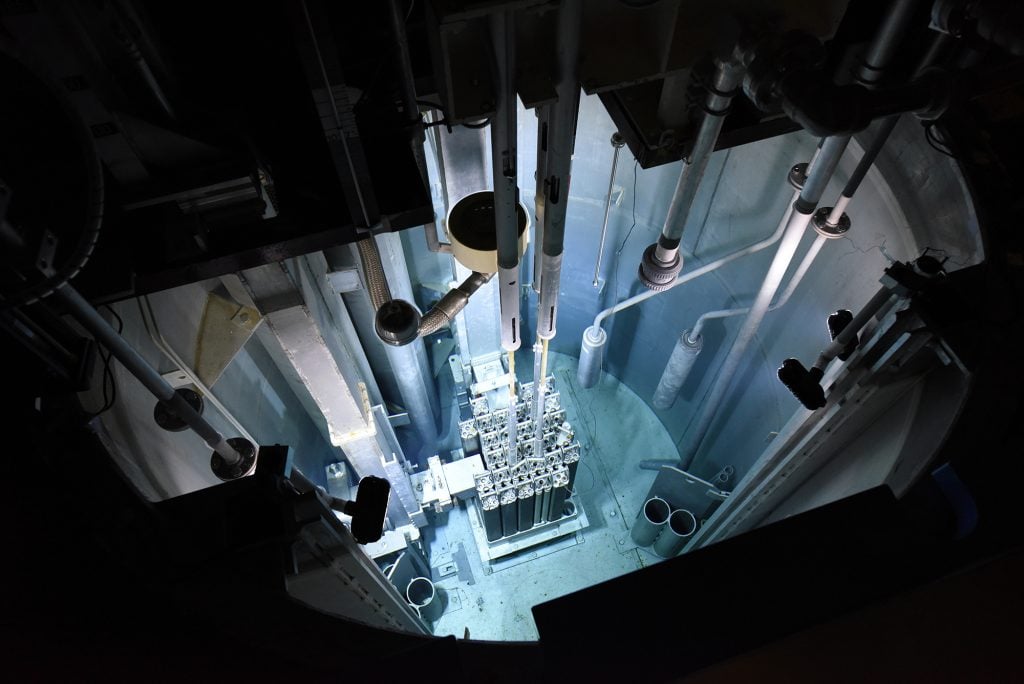
Simulating Reactor Conditions to Validate Fuel and Material Performance
Irradiation testing is essential for qualifying new fuel designs and extending the life of existing reactors. At MFC, researchers simulate a wide range of reactor conditions—including accident scenarios—to generate critical performance data.
Integrated Irradiation Resources:
- Long-term testing at the Advanced Test Reactor
- Transient testing at the TREAT Facility to simulate off-normal events
- Neutron radiography at NRAD for rapid post-irradiation analysis
- Re-irradiation of previously tested materials to study high neutron exposure effects
These capabilities support the development of accident-tolerant fuels, high-efficiency fuel systems, and advanced reactor designs by providing real-world performance insights.
Post-Irradiation Examination and Characterization
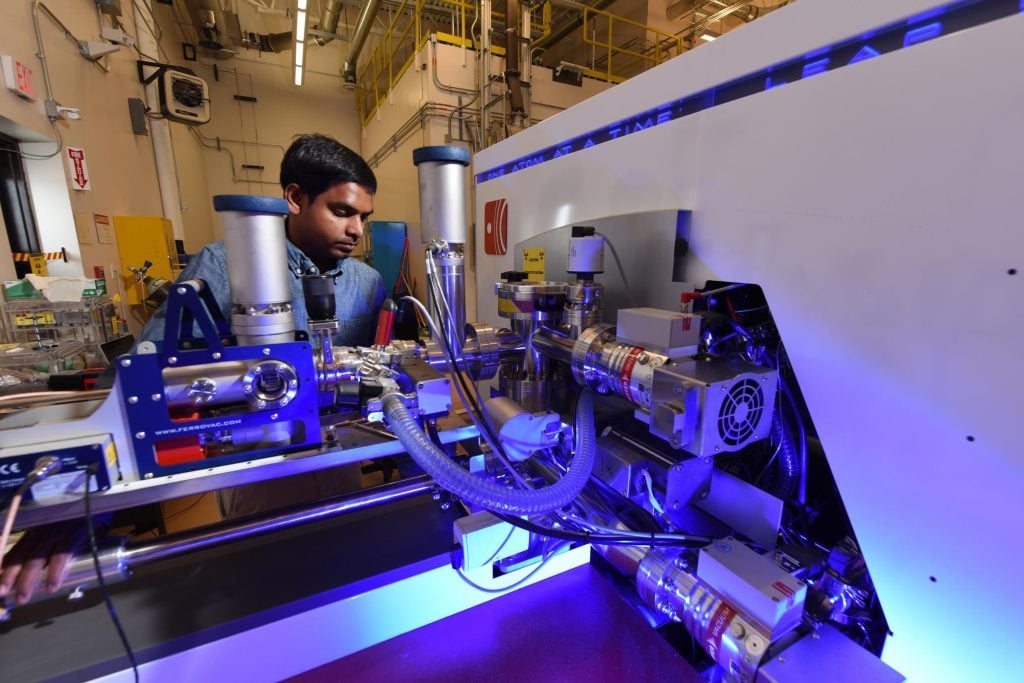
Comprehensive Analysis of Irradiated Fuels and Materials
Understanding how radiation affects nuclear materials is critical to advancing fuel and reactor technologies. MFC offers world-class post-irradiation examination (PIE) capabilities that allow researchers to study irradiated fuels and materials at multiple scales.
Key capabilities include:
- Evaluation of physical, mechanical, chemical, and thermal properties
- Analysis from the fuel assembly scale down to the atomic level
- Use of hot cells, gloveboxes, and radiation-shielded microscopes
- Destructive and non-destructive testing methods
These tools help researchers assess material performance, identify degradation mechanisms, and inform the design of more resilient nuclear systems.
Space Nuclear Power Isotope Technologies
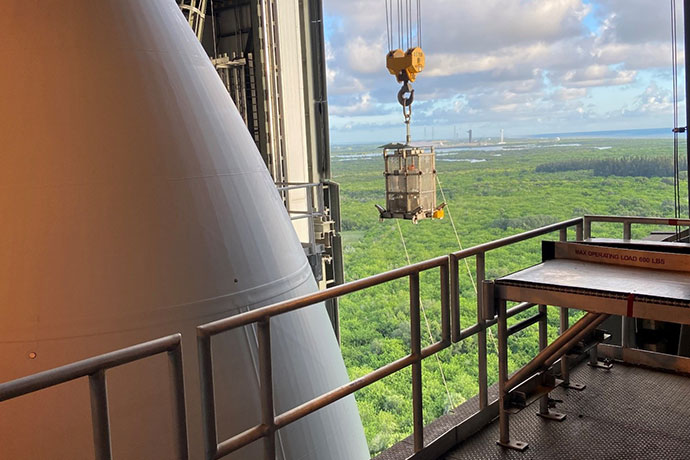
Powering Deep-Space Missions with Radioisotope Systems
In environments where solar power isn’t viable, radioisotope power systems (RPS) provide safe, long-lasting energy for space exploration. MFC supports NASA’s deep-space missions by fueling, assembling, testing, and delivering these systems.
Program highlights:
- Over 40 RPS units delivered since 1961 for more than two dozen missions
- RPS provide power to spacecraft instruments, computers, radios, and mobility systems
- Fueled by plutonium-238, which produces steady heat through radioactive decay
The upcoming Dragonfly mission will also use an RPS assembled and tested at MFC, continuing a legacy of powering exploration beyond the solar system.
Advanced Reactor Demonstration Test Beds
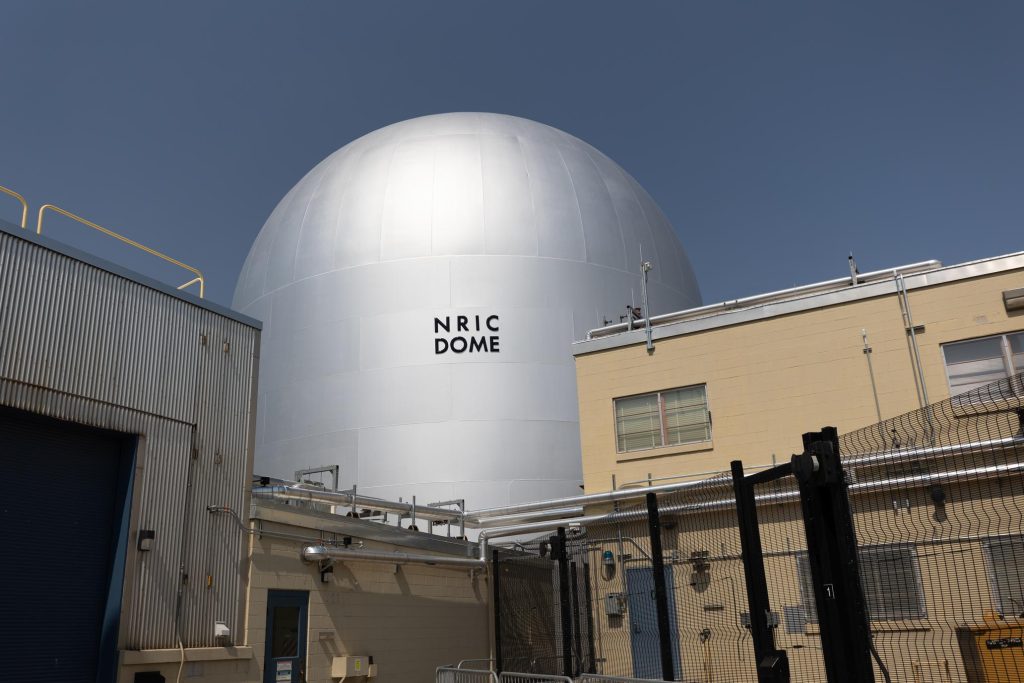
Facilities for Proving and Deploying Advanced Reactor Designs
To bring advanced nuclear technologies to market, developers must demonstrate that their designs meet safety and performance standards. MFC supports this effort through specialized test beds that enable full-cycle reactor demonstrations.
Test bed initiatives include:
- DOME (Demonstration of Microreactor Experiments)
- LOTUS (Laboratory for Operation and Testing in the United States)
- Transient Reactor Test Microreactor Experiment Cell at TREAT
These facilities help developers validate reactor concepts, generate licensing data, and build confidence among regulators and end users—accelerating the path from prototype to deployment.
Contact Information
MFC Communications Team