Each summer, the Idaho National Laboratory welcomes hundreds of interns to the nation’s nuclear energy laboratory. While INL is best known for its leadership in nuclear energy, it also plays a big role in the nation’s national security. Here, interns have the chance to step into the field and get hands-on experience doing work that supports the nation’s defense missions.
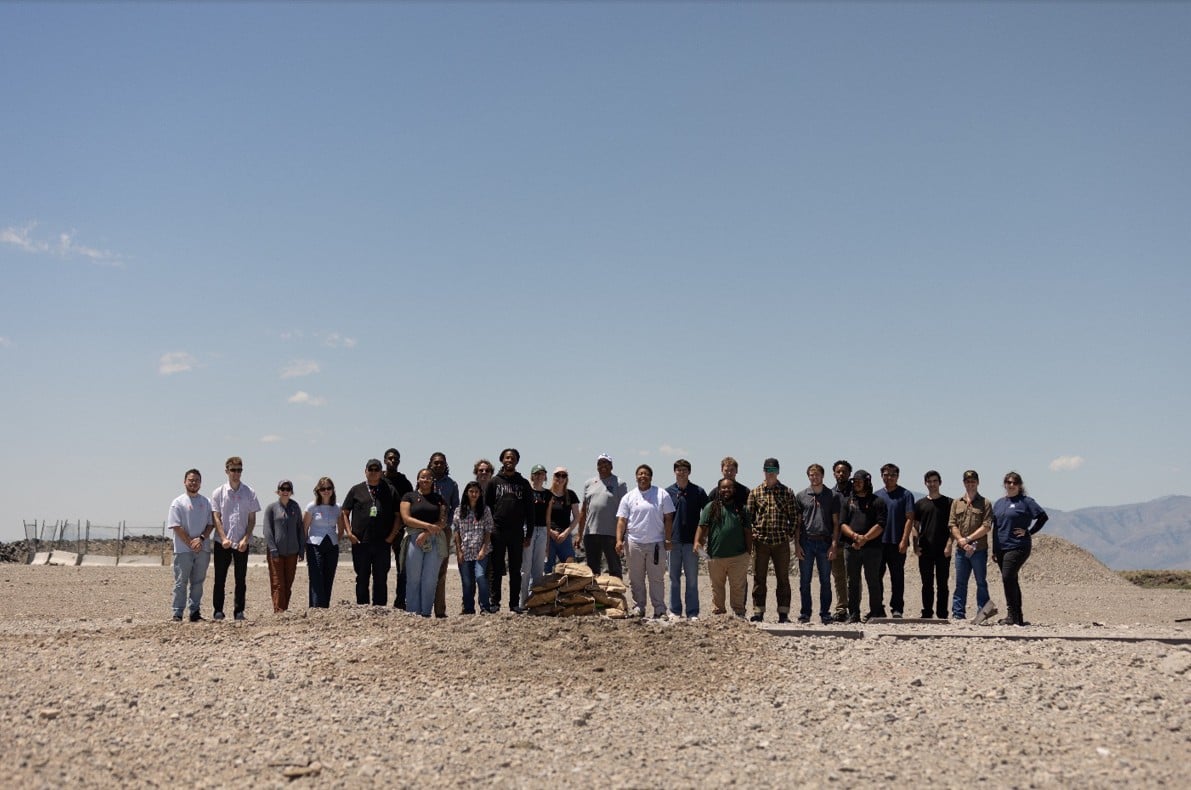
This summer, more than 100 interns toured the lab’s National Security Test Range, or NSTR, a testing environment where subject matter experts evaluate technologies and systems supporting national security missions. The visit provided a new perspective on both the laboratory’s work and potential careers.
Learning beyond the classroom
Located 45 miles west of Idaho Falls, NSTR provides a one-of-a-kind environment for testing and evaluating technologies in realistic conditions, with capabilities spanning ballistics, breaching, energetic chemistry and more. Situated on 330 acres of isolated desert, the range allows researchers to conduct experiments and demonstrations that cannot be replicated anywhere else.
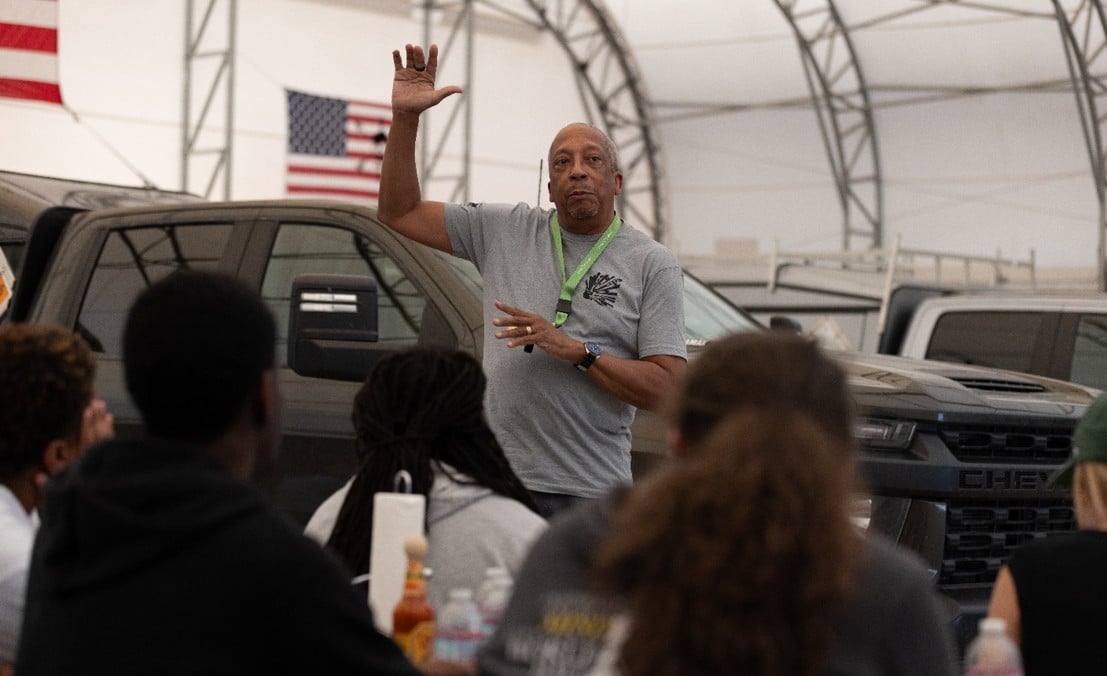
During the visit, interns were introduced to some of the range’s explosives research, testing and evaluation capabilities. The visit included explosives and barrier testing and provided a broader understanding of how INL supports national and homeland security missions.
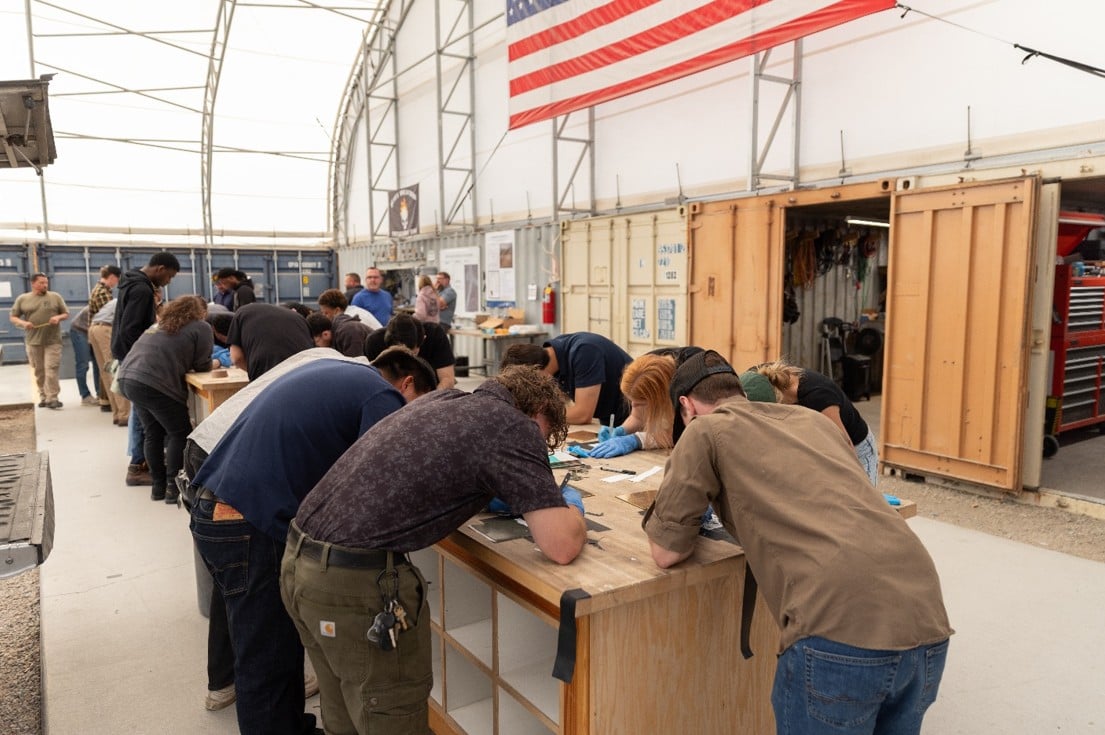
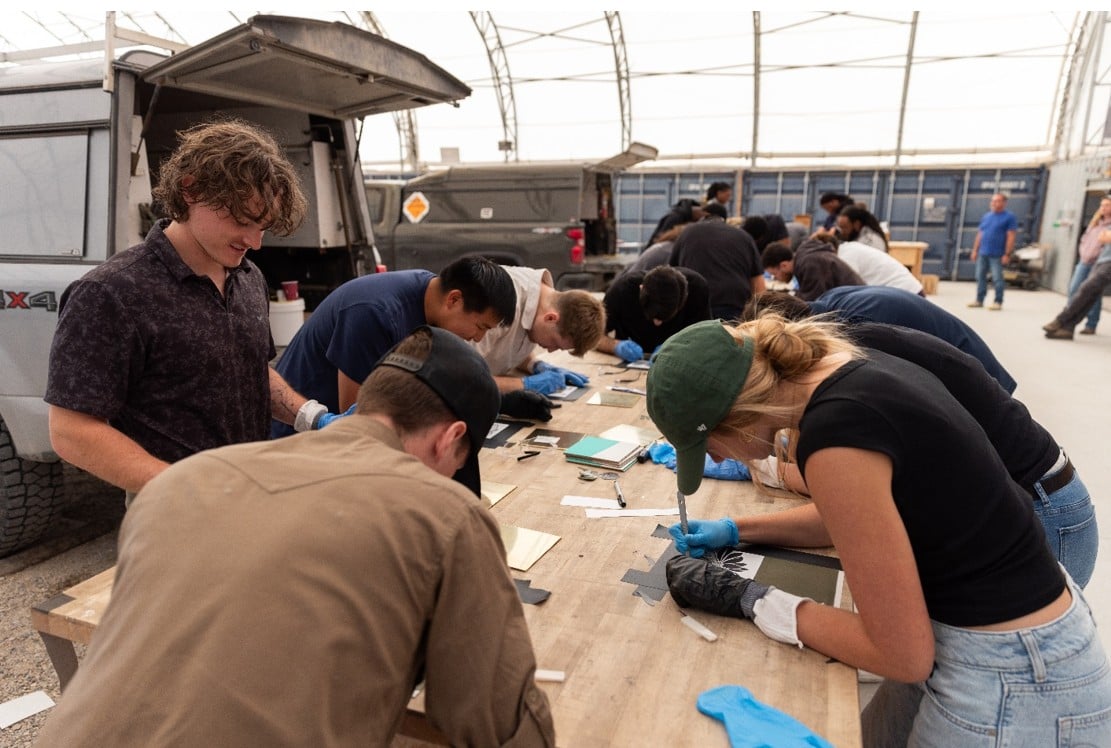
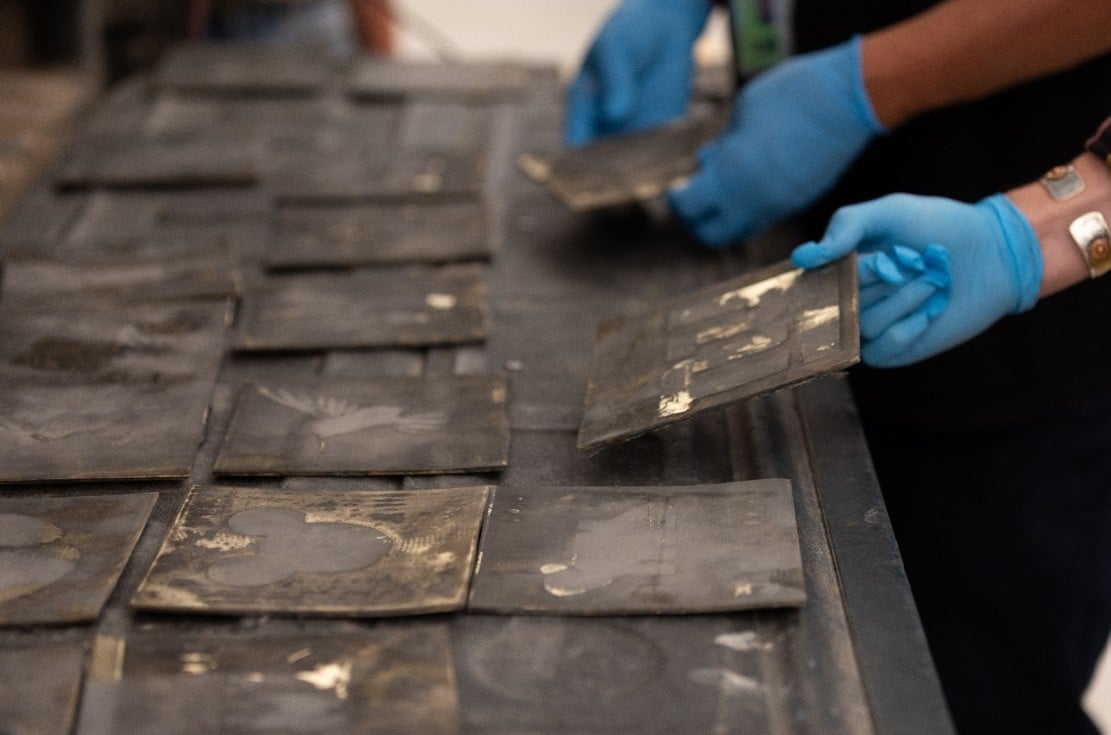
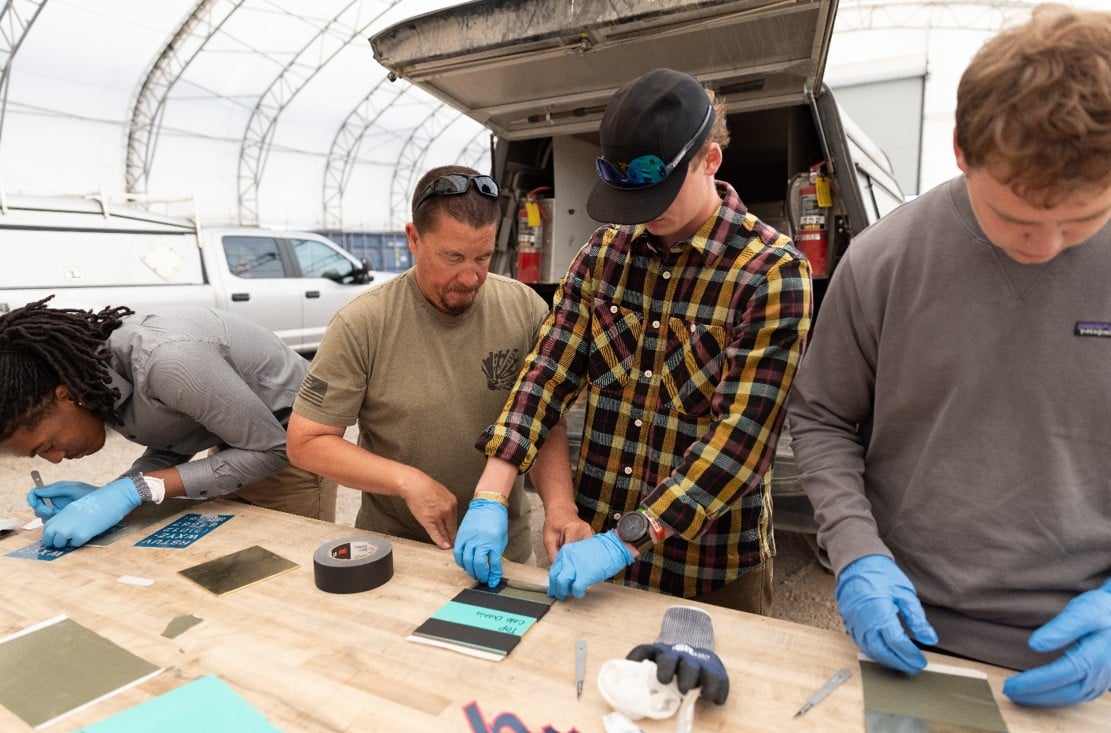
Each day began in the classroom, where interns received safety briefings and watched videos showcasing previous testing projects. They then participated in one of the day’s most memorable activities: detonography. Interns cut custom designs from explosive material, placed them on brass plates and watched as controlled detonations permanently indented artwork into brass. School logos, animals, and even portraits emerged from the blasts, blending science with creativity.
The experiences continued with a fuel-air detonation, where interns were surprised to feel the blast wave several moments after seeing the detonation. The day concluded with a 500-pound explosive detonation viewed from 1,000 meters away. This left students with a firsthand appreciation of the National Security Test Range. The research conducted here builds subject matter experts’ understanding of explosives and how to transfer that knowledge to warfighters — providing the right tools for the right jobs, increasing their survivability and reducing unnecessary harm.
For Chris Valleau, department manager of the range, that hands-on experience is what makes the visit meaningful.
“Without the hands-on application, students are left wondering, ‘The book says to do this, but how do I actually apply it?’” Valleau said. “I hope they leave with the experience, but I also hope they take away the science behind the energetics — not just seeing things go boom.”
Seeing the bigger picture
Many students spend the summer contributing to projects within their niche and their specific organizations. However, the range visit provided a broader view of how those efforts support INL’s larger mission.
Intern Michael McCartney, a biomedical engineering student at Boise State University, said the visit expanded his understanding of the laboratory’s role in national security.
“The most surprising thing was how much they work with our military and how much they actually train special groups,” McCartney said. “I was expecting some explosives and some cool experiments, but I didn’t realize how broad the mission really was.”
Intern Emily Gillmore, a nuclear engineering student at the University of Illinois Urbana-Champaign, arrived with few expectations but left with a new appreciation for the laboratory’s capabilities.
“I didn’t know INL did anything like this,” Gillmore said. “I was surprised they actually let us see things explode — and I got to push the button. I like that we got to make art with the first explosion, so we got to see something cool and a souvenir to take home.”
NSTR Intern Week, and similar experiences are cornerstones of INL’s National Security Workforce Development program, which connects students with the laboratory’s broader mission while preparing the next generation of national security professionals.
Shaping the workforce pipeline
The National Security Workforce Development program exists to attract, develop and retain the next generation of talent for national and homeland security. By forging strategic partnerships with federal agencies and academic institutions, the program creates a robust pipeline for young professionals to transition from the classroom to the workforce.
Through partnerships with organizations including the Department of War, the National Nuclear Security Administration, and the Defense Logistics Agency, the program has built an internship experience that goes far beyond resume building.
The NSTR Intern Week itself is a testament to what becomes possible when INL’s mission organizations work together. Bringing together teams from across the laboratory, the event reflects the kind of cross-institutional collaboration that defines INL’s approach — and sets it apart.
Internships to impactful careers
One of the week’s most powerful outcomes was when students begin to picture themselves not just finishing an internship but building a career. That vision became a reality for nine students, who converted their internships last summer into full-time employment.
Jonathan Bennett, a former INL intern who now works full-time at the laboratory as a critical infrastructure security analyst, reflected on his journey. “You don’t really understand everything INL does until you get out of your role and see other parts of the mission,” he said. “My internship opened doors I wasn’t expecting and ultimately changed my career trajectory. I had the chance to explore cybersecurity, which was completely new to me at the time, and that experience led me toward the career path I’m on today.”
Investing in the generation of tomorrow
The National Security Workforce Development program operates across a wide range of focus areas within INL’s national security directorate, but every effort circles back to one shared commitment — investing in the next generation of talent.
“This isn’t just about building resumes,” said April Augustine, director of the National Security Workforce Development programs. “Our goal is to create purpose-driven professionals who understand why their work matters. The challenges we face as a nation demand the best and brightest minds, and we’re here to ensure those minds are not only prepared but also inspired to make a difference.”
As INL continues to expand its internship programs and deepen its partnerships with federal agencies, the lab is simultaneously addressing today’s challenges and shaping the workforce of tomorrow. Experiences like NSTR Intern Week are not a bonus, they are built into the program by design, because INL believes every aspiring professional deserves real access, real experiences, and a real sense of what their future could look like.