Advanced Small Modular Reactors
Scalable nuclear energy designed to meet growing electricity demand while supporting reliable, flexible power generation.
What is a small modular reactor?
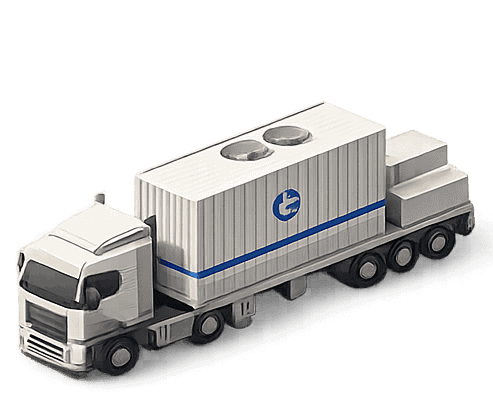
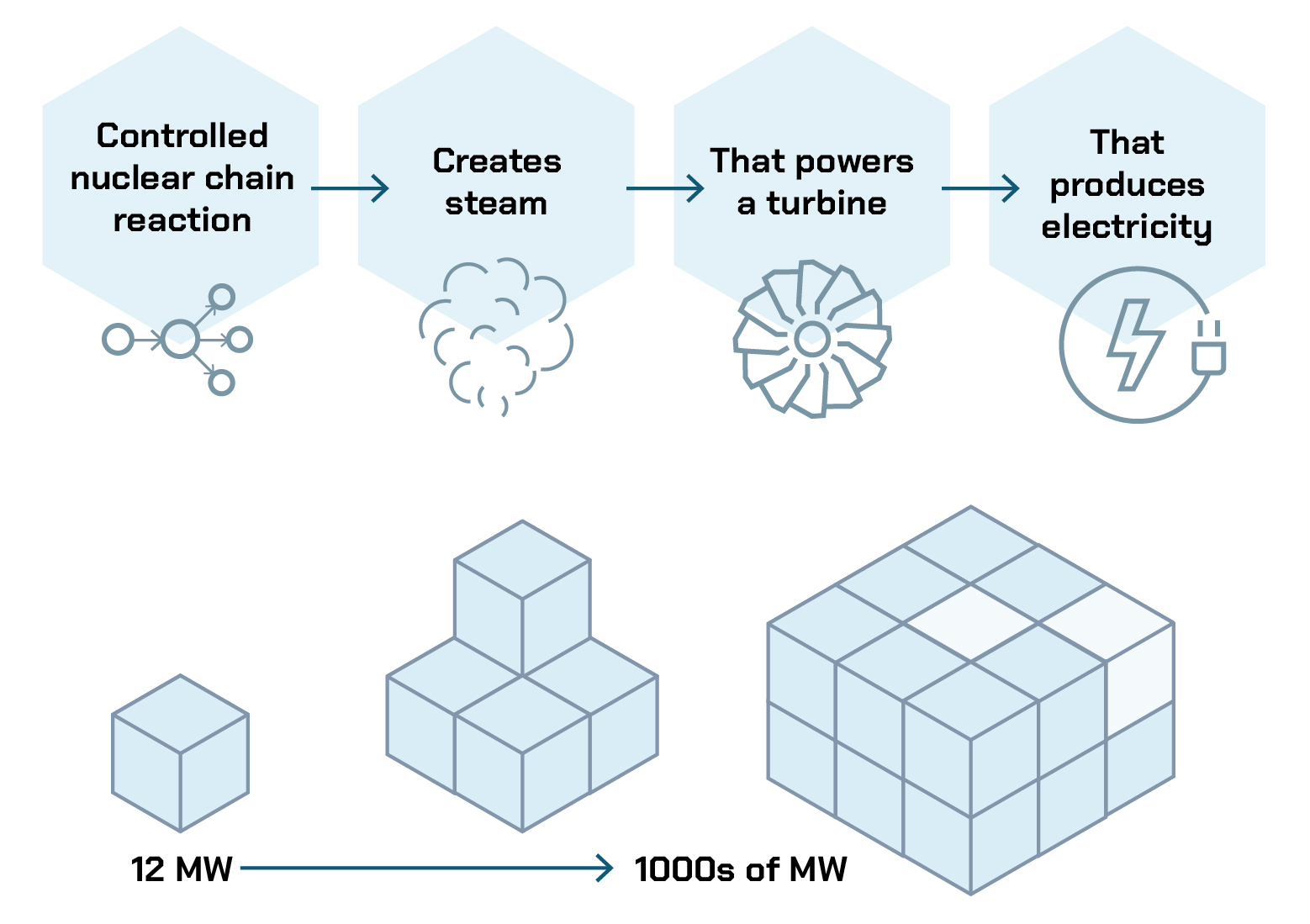
Small modular reactors (SMRs) are reactors that generate between 50 and 300 megawatts of electricity. They are partially constructed in factories and shipped to sites via truck, rail or barge. Users can deploy them module by module, scaling energy production to meet different needs and applications. Their smaller size, factory production and modularity allow for faster and more flexible deployment than traditional nuclear reactors.
SMRs are designed to deliver more power than microreactors while requiring a smaller footprint than traditional nuclear plants.
Nuclear energy at different scales
Different reactor technologies are designed to meet different energy needs.
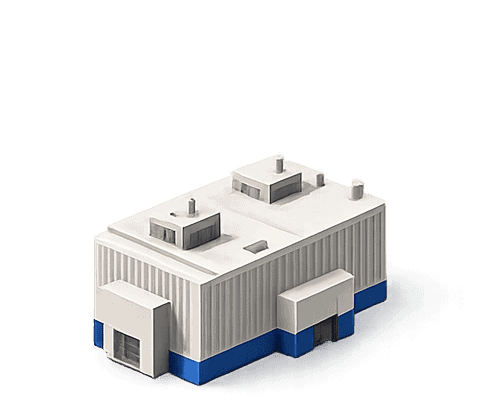
Microreactor
Up to 50 MW
Small Modular Reactor
50 - 300 MW
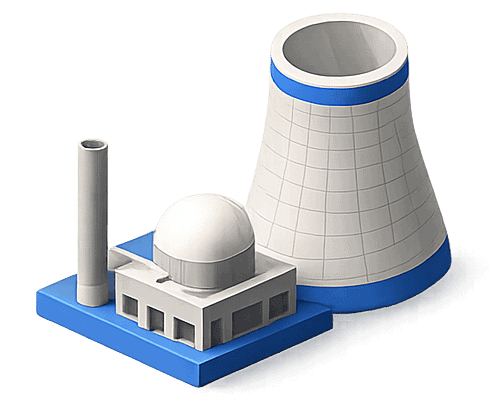
Tradition Nuclear Plant
1,000+ MW
Why do we need small modular reactors?
The United States is pursuing small modular reactors to expand the use of nuclear energy to help meet growing energy demands. Small modular reactors are more flexible to build and operate than traditional nuclear plants and can adjust their electricity output to help balance the grid when renewable sources like wind and solar are not available. They also offer diverse applications across industries and infrastructure. Small modular reactors support a wide range of energy applications, including:
Grid Reliability
Small modular reactors can adjust their electricity output to help balance the grid when renewable energy sources like wind and solar are not available.
Manufacturing & Industry
Small modular reactors are well suited for manufacturing and industrial facilities that require steady electricity and process heat.
Water Resources
Small modular reactors can provide energy for desalination plants, producing fresh water in regions facing water scarcity.
Data Centers
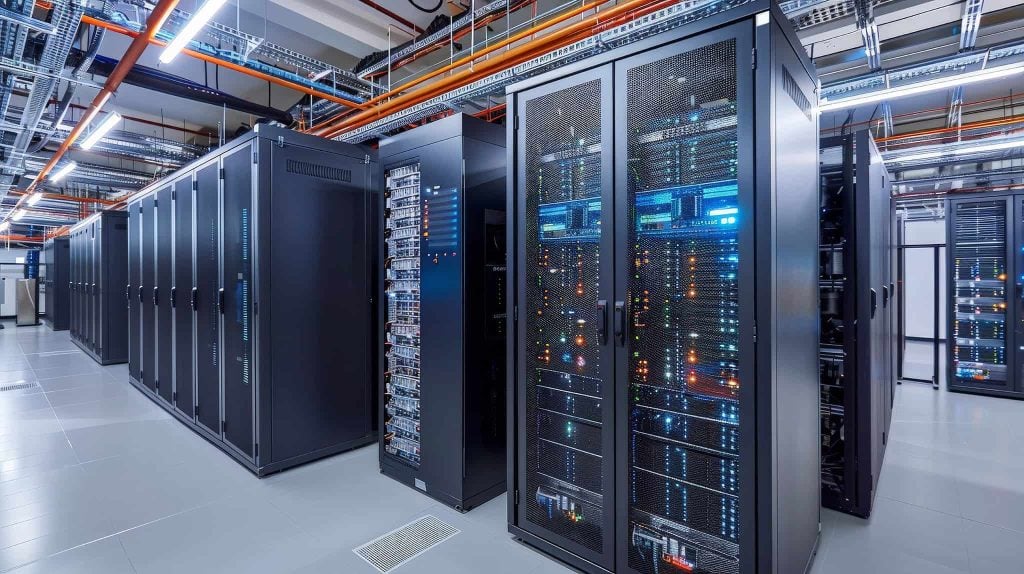
Small modular reactors can supply data centers with reliable electricity to meet the growing demands of digital infrastructure.
How are they different from current nuclear reactors?
Like today’s nuclear power plants, small modular reactors generate electricity through nuclear fission. Some SMRs are simplified versions of current large light water reactors with enhanced safety systems and fewer components, while others use advanced fuels and coolants such as liquid metals, molten salts or gases like helium.
Key design features
Smaller size
Small modular reactors can be up to a quarter of the size of traditional nuclear power plants and about five to six times larger than microreactors. Each module generates anywhere from 50 to 300 megawatts of electricity. Because they are a fraction of the size of current reactors, they can be sited in locations that are not possible for larger nuclear plants.
Passive safety
Small modular reactors incorporate passive safety features that enable the reactor to shut down and remove excess heat without human intervention. Many designs also use advanced fuels that are stable in higher temperatures and resistant to corrosion, further enhancing reactor safety. Some designs can also be built below ground, reducing vulnerability to extreme weather and adding another layer of physical protection.
Factory fabrication & modularity
Modules are built in a factory and assembled on-site like building blocks. As electricity demand grows, modules can be added. If demand slows, modules can be taken offline without compromising reliability. Because small modular reactors can ramp up or down, they also pair well with renewable energy sources in an integrated energy system.

What is INL doing to advance small modular reactors?
Several companies are working to demonstrate and deploy small modular reactors with support from the Department of Energy and national laboratories.
As the nation’s lead laboratory for nuclear energy research, development and demonstration, Idaho National Laboratory (INL) plays a central role in advancing small modular reactor technology. INL provides industry partners with the expertise, facilities and equipment needed to test, validate and present new technologies. INL also provides data to the Nuclear Regulatory Commission to speed licensing and commercialization.
GAIN
The Gateway for Accelerated Innovation in Nuclear initiative, or GAIN, was established by the U.S. Department of Energy and operates out of INL. It works through public-private partnerships to facilitate access to the technical, regulatory and financial support needed to accelerate commercialization of advanced nuclear technologies.
NRIC
The National Reactor Innovation Center’s mission is to work with industry and national laboratories to bridge the gap between concept, demonstration and commercialization of advanced nuclear technology. NRIC accomplishes this goal by building new or enhancing existing U.S. Department of Energy infrastructure to support testing of components and systems key to successfully deploying advanced nuclear technology.
Nuclear Energy Launch Pad
The Launch Pad provides streamlined pathways for developers to demonstrate advanced nuclear energy technologies and accelerate commercial deployment.
Leveraging DOE’s authority and expertise, the program supports developers working across a range of nuclear technologies, including advanced reactors, fuel fabrication, fuel enrichment, fuel reprocessing and other related innovations for different energy applications.
Advanced Reactor Demonstration Program
The Advanced Reactor Demonstration Program (ARDP) is speeding the demonstration of advanced reactors through cost-shared partnerships with U.S. industry. By rapidly developing these promising advanced reactors, the program expands access to clean energy and takes advantage of market opportunities before key infrastructure and supply chain capabilities are lost.
Connect with our Team
Questions about our research, capabilities or collaboration opportunities? Our team is ready to connect you with the right experts and resources at INL.
Addison Arave
Nuclear Science & Technology Communications Liaison
Additional Resources