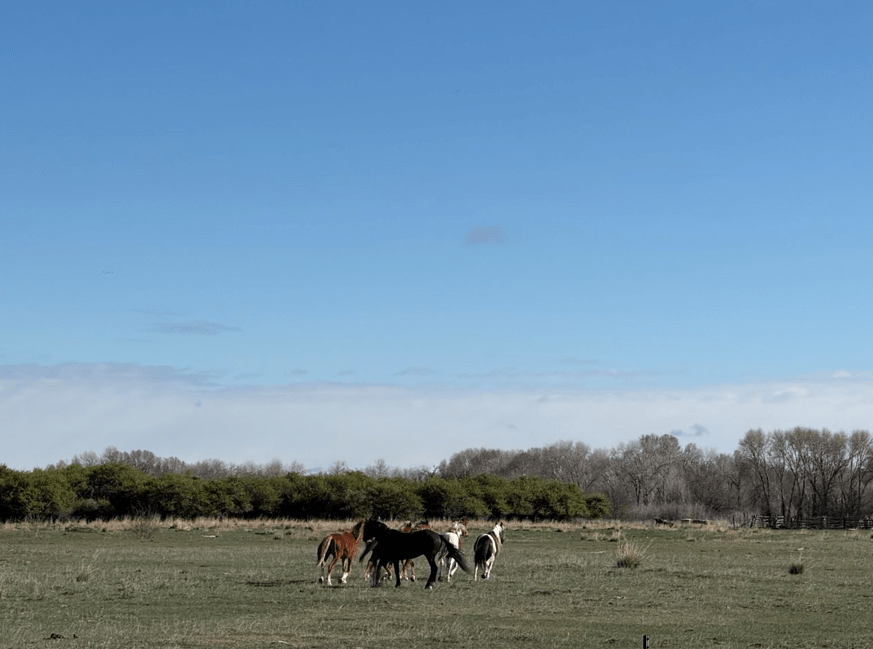
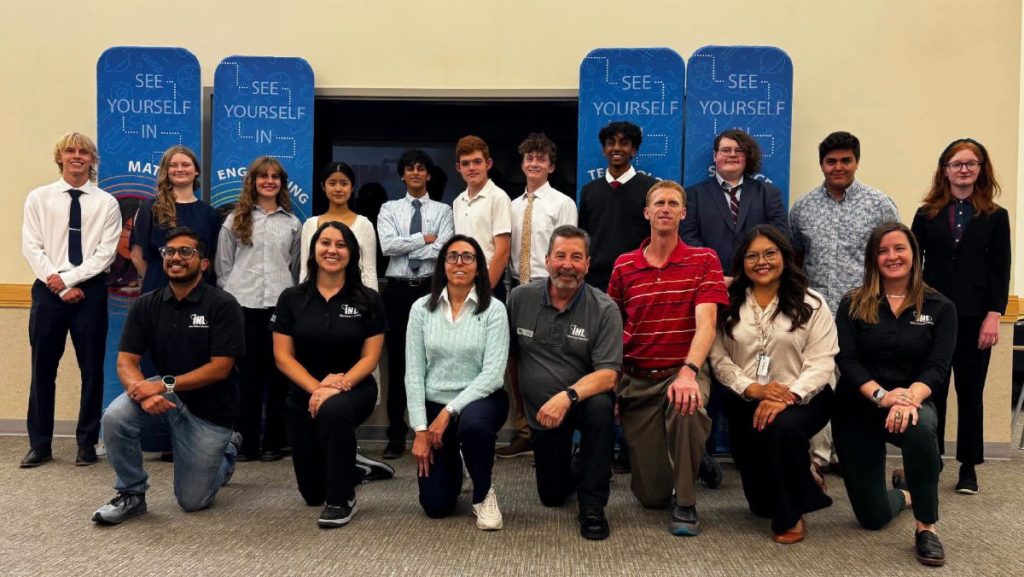
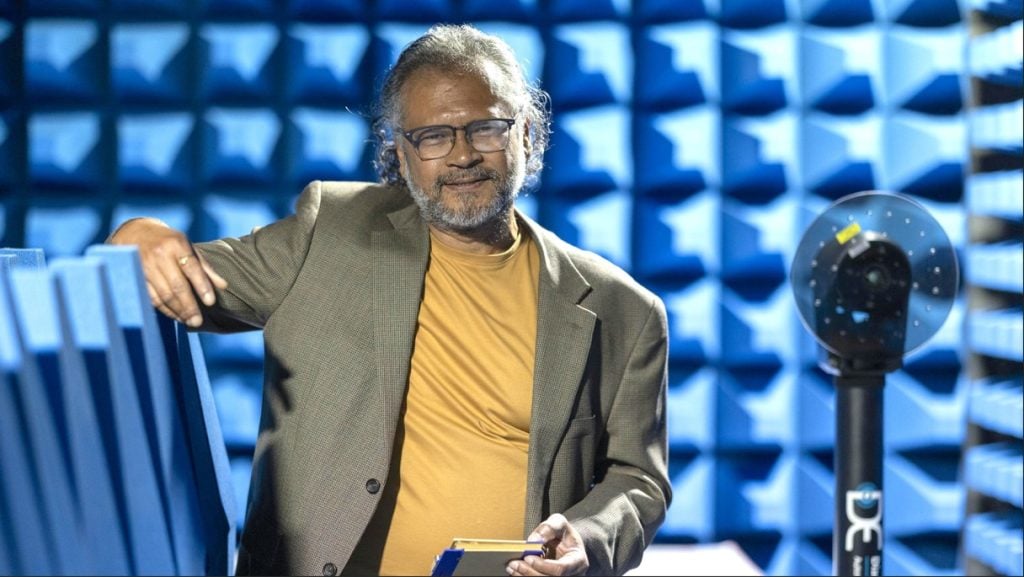
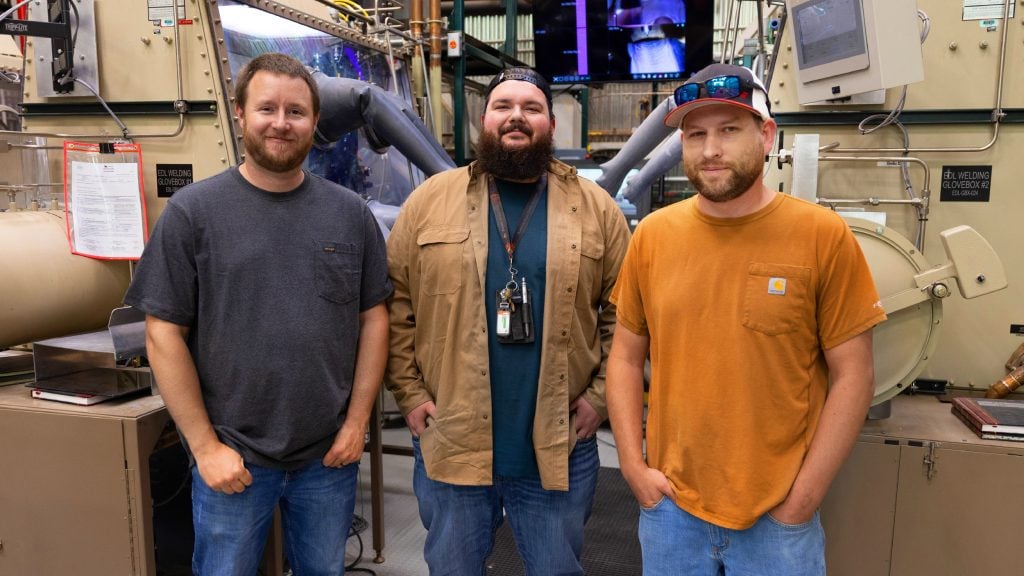
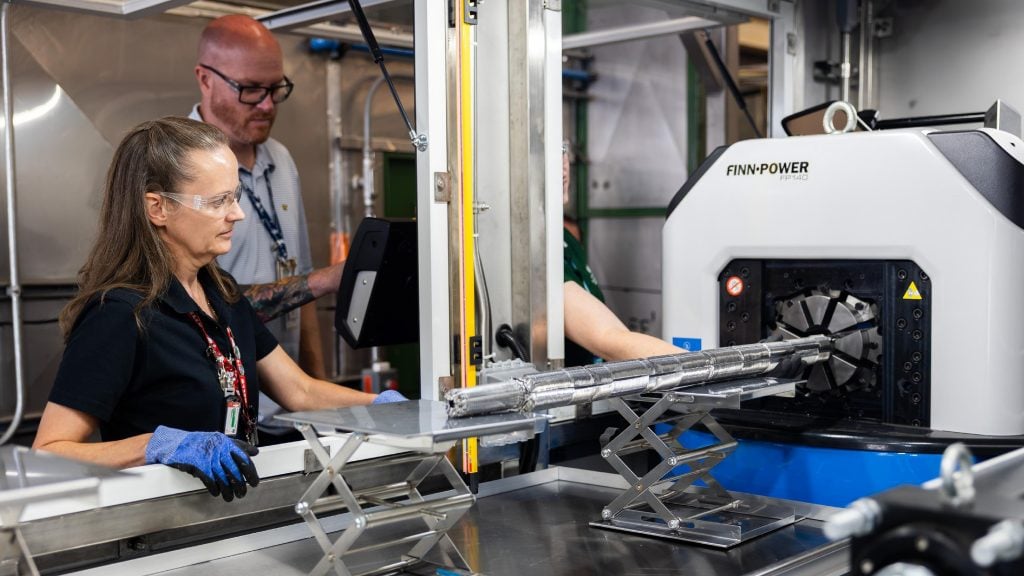
The Shoshone-Bannock Tribes hosted a 2026 Earth Day event on April 17, welcoming tribal members and students, and Idaho National Laboratory and Department of Energy employees to the Fort Hall Reservation. The day combined a variety of activities — a fun run/walk, cultural workshops and presentations, a shared feast, and a ceremony honoring Mother Earth, known as Sogo Bia Dabai’Yi. The event brought together scientific innovation and generations of stewardship rooted in the land.
A shared commitment to the land
This year’s partnership with the Shoshone-Bannock Tribes expanded that dialogue beyond technology.
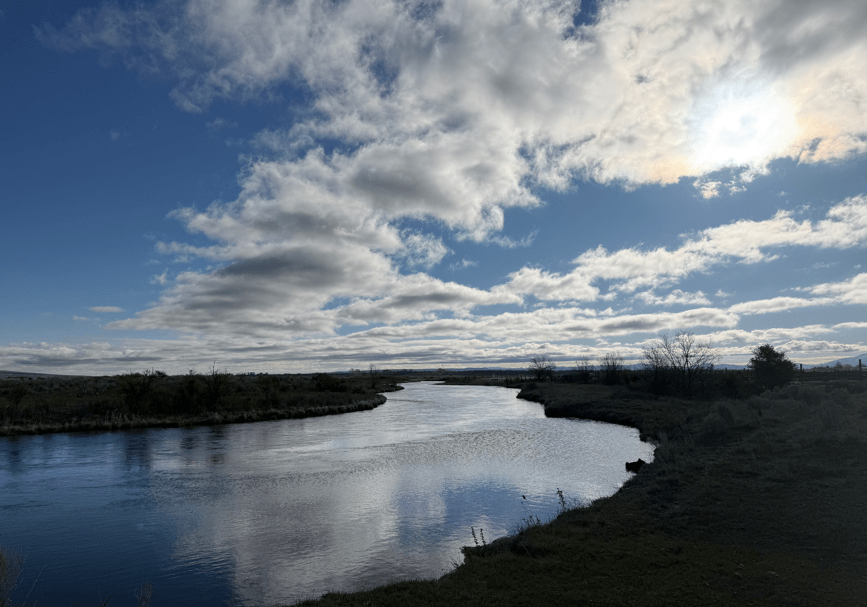
Hosting the event on the reservation underscored a shared commitment to responsible stewardship of natural resources. For the Tribes, caring for the land was not limited to a single day but is an ongoing responsibility carried forward daily through spirituality, culture, ceremony and community.
That sense of long-term responsibility closely aligned with INL’s mission to discover, demonstrate and secure innovative nuclear energy solutions, other energy options and critical infrastructure. Like the Tribes’ enduring connection to the land, the laboratory’s work was focused on building durable energy systems designed to serve future generations.
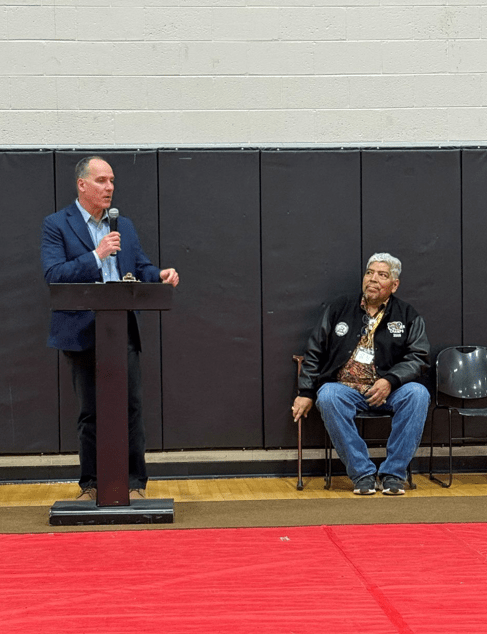
“Mother Earth is like a mother; she cares for us, even in the smallest ways. Honoring her on Earth Day is a way of recognizing that our survival has always depended on her,” said Louie Martin, a Shoshone-Bannock tribal elder. “Our ancestors lived through their relationship with Mother Earth. She provided everything they needed, including bones, fur and stones used as tools. Each place offered what was necessary. By honoring her, we help ensure that our children understand all she has given.”
The Earth Day feast and celebration ceremony offered attendees an opportunity to experience that perspective firsthand, connecting environmental innovation with cultural tradition.
Education through experience
Participants learned how environmental responsibility was woven into tribal governance, education and community life.
By bringing together laboratory researchers, tribal leaders and community members, the event created space for mutual learning. Scientists and engineers shared how emerging technologies reduced carbon emissions, strengthened grid resilience and supported national energy security. Tribal representatives shared traditional ecological knowledge, cultural learnings, traditions and community driven stewardship efforts.
“As INL’s Tribal Engagement lead, I see this partnership for Earth Day as a bridge between tradition and innovation,” said Elese Teton. “By working together and learning from one another, we can identify respectful, responsible ways to steward Mother Earth’s resources.”
The result was a broader understanding of what it means to protect the Earth, blending innovation with heritage.
Strengthening partnerships
INL’s collaboration with the Shoshone-Bannock Tribes reflects the laboratory’s commitment to building strong, respectful relationships with tribal nations and regional communities.
“Earth Day reminds us that doing energy right means honoring the land, serving the people, and protecting the future,” said Alana Edmo, Energy Resources program manager for the Shoshone-Bannock Tribes. “Our responsibility is to meet today’s needs while preserving opportunities for future generations.”
As Earth Day 2026 unfolded, the partnership serves as a reminder that advancing energy solutions was not only about technology but also about people, natural resources, culture and collaboration. Through shared meals, shared stories and shared purpose, this year’s celebration honored both the innovation driving tomorrow’s energy systems and the responsibility to care for Mother Earth.