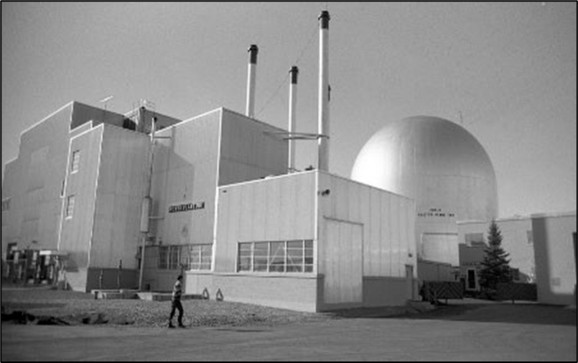
MFC-768 supported EBR-II operations through reactor controls, electricity generation and the high-purity water needed for its steam system.
Why This Project Was Developed
The “Nuclear + Water = Electricity” interpretive panel at the Community Monitoring Station in Idaho Falls was developed in collaboration between the Department of Energy Idaho Operations Office, Battelle Energy Alliance, Idaho State Historic Preservation Office, the city of Idaho Falls and the Idaho Historic Preservation Commission.
The sign is one way the Department of Energy Idaho Operations Office is addressing the adverse effects from demolition of the water treatment area in MFC-768, a historic property at Idaho National Laboratory. MFC-768 played an important role in Experimental Breeder Reactor II (EBR-II) operations, and the water treatment area helped convey the historic purpose of the building.
Resource Record
The resource record provides additional historical and technical documentation of MFC-768, including its heat transfer, steam and water treatment systems, control room and historic significance.
MFC-768, constructed in 1961, is the Power Plant that formerly supported EBR-II. Located at the Materials and Fuels Complex at the INL, the building is significant under Criterion A (Event) of the National Register of Historic Places for its association with EBR-II and its role as the first electric co-generator in Idaho.
Inside MFC-768
MFC-768 housed three major systems that supported EBR-II operations.
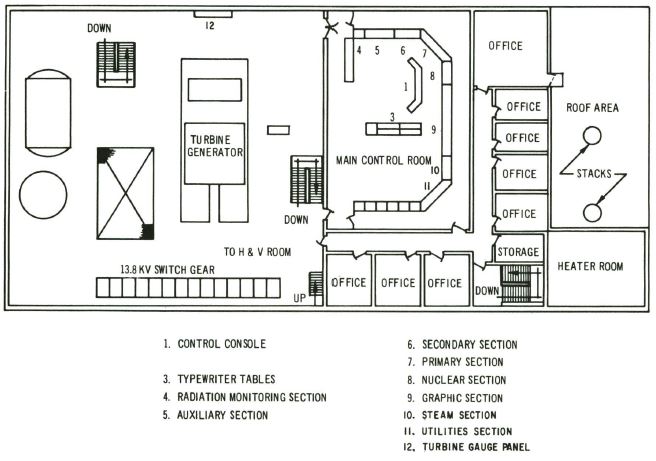
The EBR-II control room was designed to operate the reactor and its power systems. It contained controls, data loggers, gauges and monitoring sections for systems througut EBR-II.
Most operations in the control room were manual, while a few important functions—including feedwater flow rate and steam pressure were—automated.
Layout of third floor and control room.
Turbine Generator
Generated electricity from reactor heat
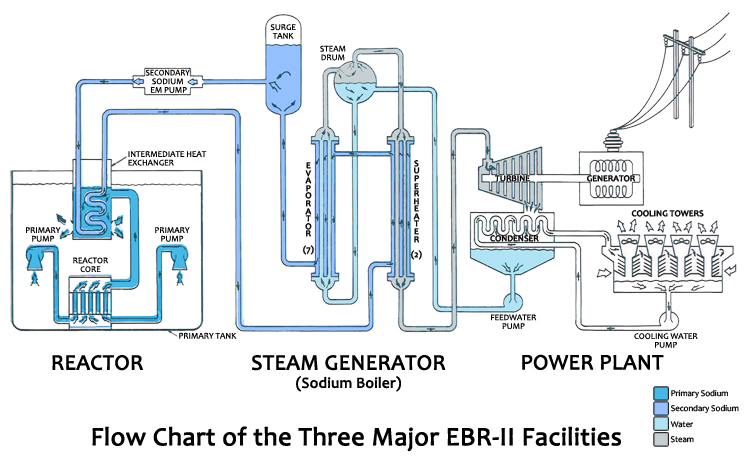
The turbine generator was part of EBR-II’s heat transfer system. Superheated steam produced using heat from the reactor flowed to MFC-768, where it powered the trubine generator.
The turbine generator could produce up to 20 megawatts electric. EBR-II provided all of the power for ANL-W, with additional power sold to the National Reactor Testing Station and Idaho Power, ultimately saving more than $1 million each year.
20 MW
Maximum electrical output
$1 million +
Annual savings from additional power sales
Flow chart of sodium, water, and steam in EBR-II's heat transfer system.
Water Treatment System
Produced high-purity water for safe and reliable operations
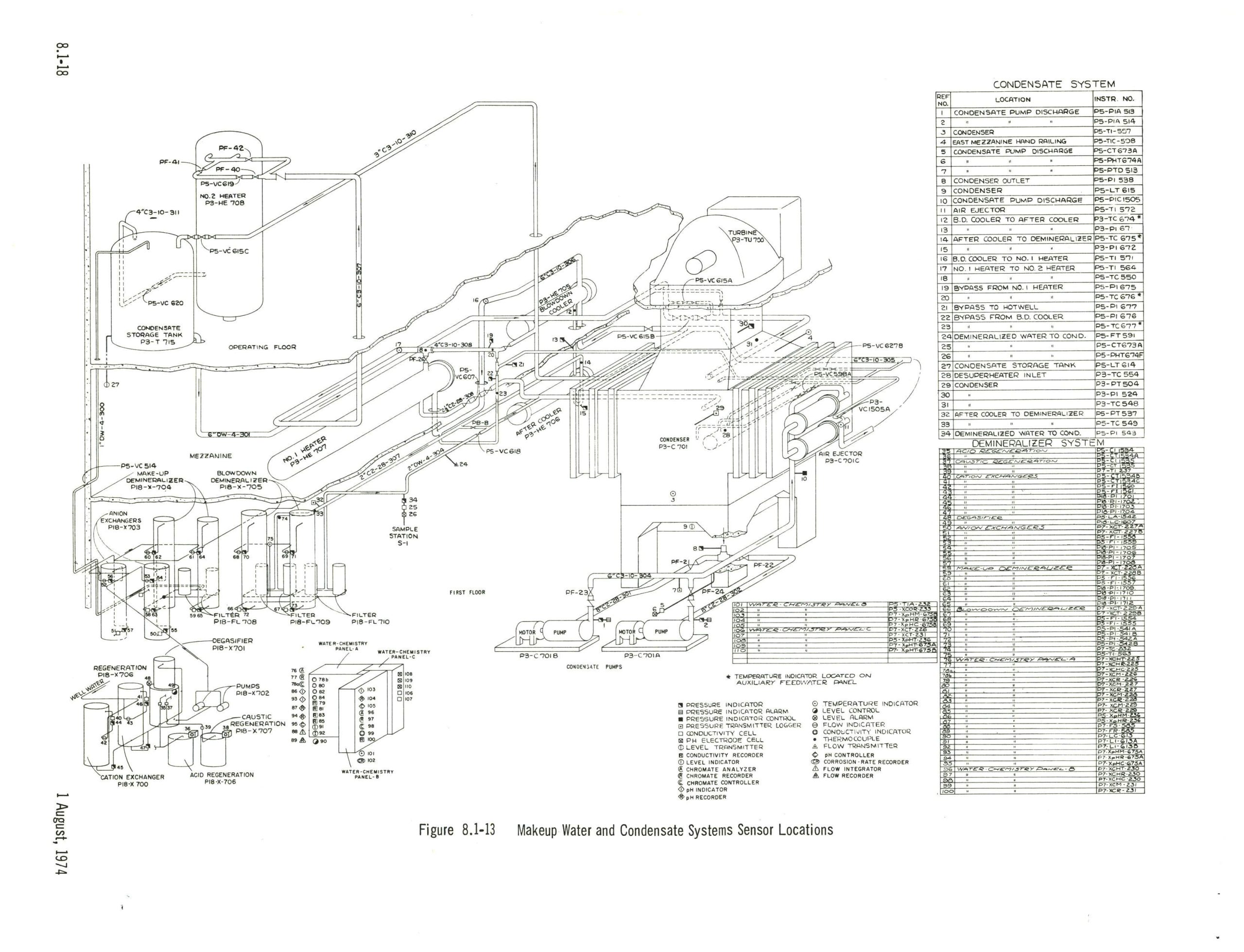
The water treatment system occupied more than half of MFC-768 and produced extremely clean, high-purity water — water with very few particles or impurities.
This clean water played an important role in the reactor’s operation. Water transfers heat efficiently, does not easily damage steel and can handle high temperatures before boiling. Keeping the water very pure helped protect equipment from damage and prevented buildup that could reduce its ability to carry heat away from the system.
For these reasons, the treatment system was a critical part of EBR-II’s safety and cooling systems.
Water treatment and steam system layout in MFC-768.