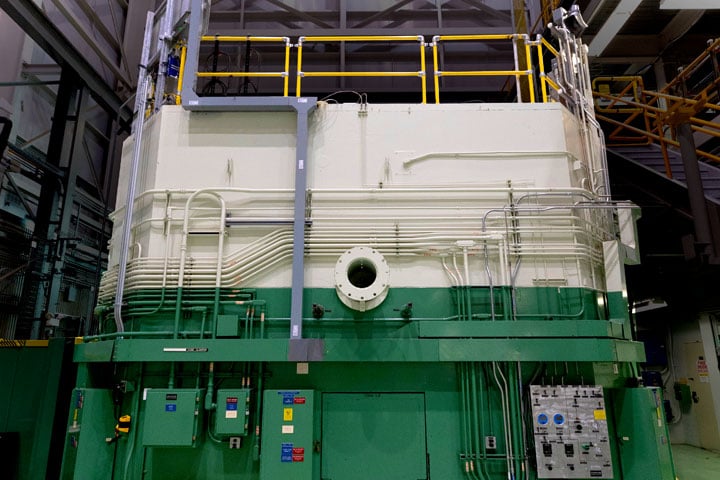
A visual journey through TREAT’s legacy, milestones, and the path to restart.
TREAT Through Time: A Legacy of Innovation and Renewal
From its groundbreaking in the late 1950s to its modern-day role in advancing nuclear safety and materials science, the Transient Reactor Test (TREAT) facility has played a pivotal role in nuclear research. This timeline highlights the key moments in TREAT’s history—from early construction and decades of testing, through a period of dormancy, to a successful and accelerated restart. Each milestone reflects the dedication, innovation, and collaboration that continue to shape the future of nuclear energy.
1958
Early Construction and Mission Defined
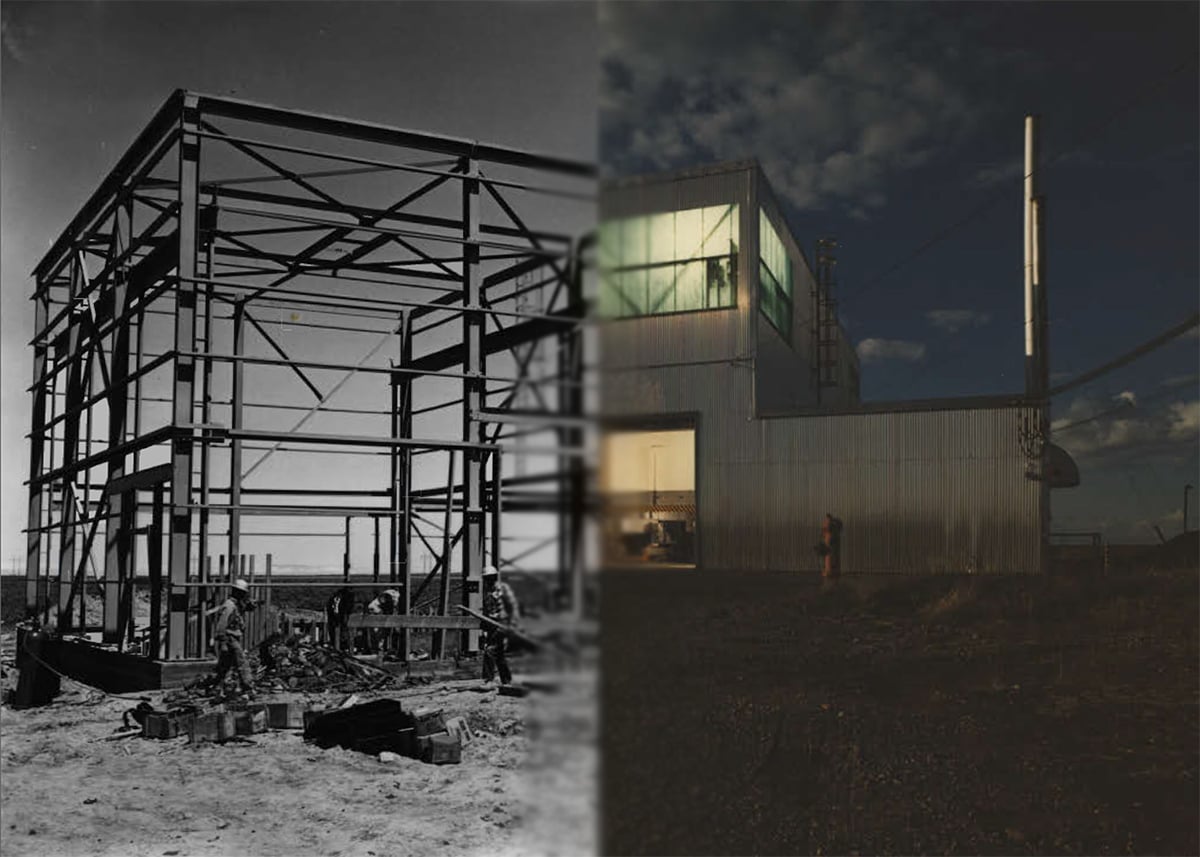
The Argonne National Laboratory (ANL) broke ground for the Transient Reactor Test (TREAT) facility in February of 1958. By April, the basic foundation had been laid and progress was running smoothly. The TREAT reactor was created to conduct transient tests. During these tests, nuclear fuels and materials were subjected to brief, yet highly intense, neutron pulses to simulate different reactor conditions.
1959
Operational Readiness Achieved
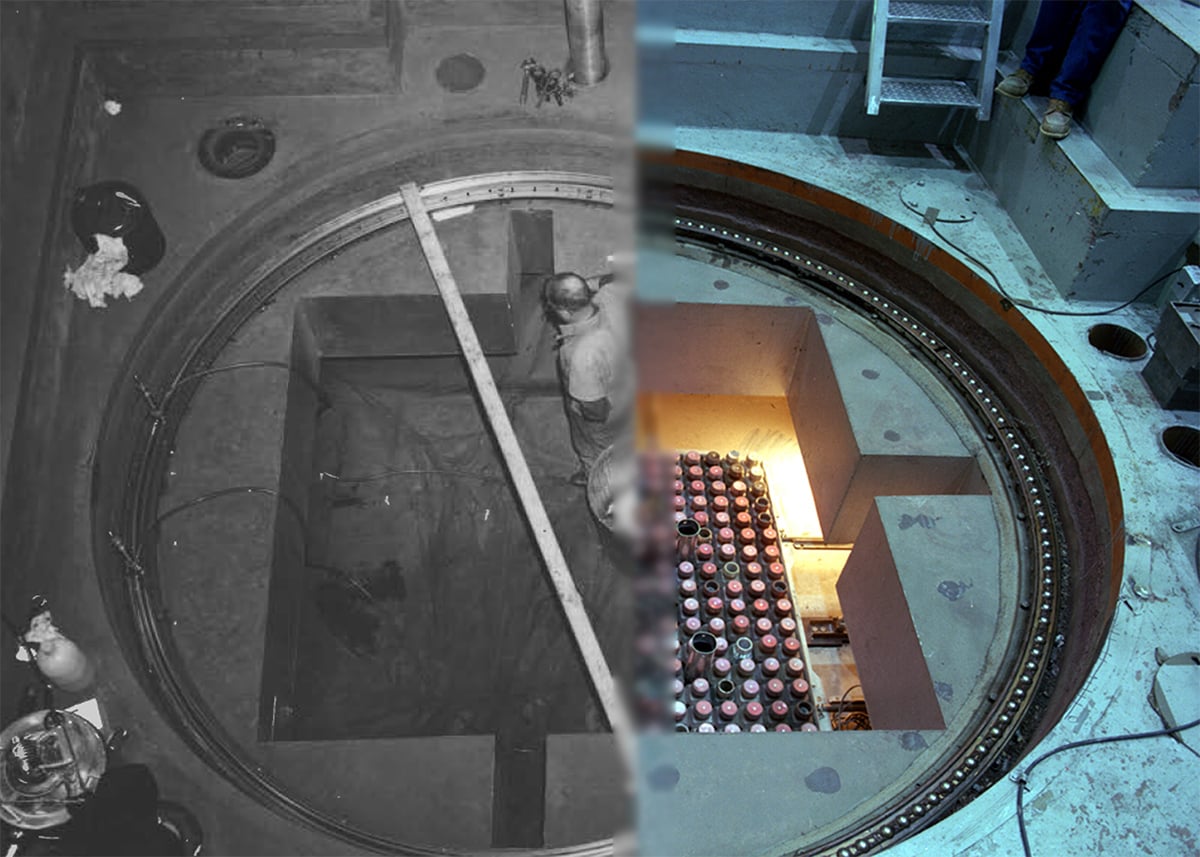
The construction was completed in November of 1958 and the reactor reached its first criticality on February 23, 1959. This means that the reactor reached a configuration under which it could maintain and operate at a steady power level.
1959-1994
Decades of Critical Fuel Testing
In its 37 years of operation, the TREAT reactor performed over 2,500 tests that provided vital information on how a nuclear fuel will respond during accidents ranging from a mild upset, such as loss of power, to severe accidents, such as natural disasters or loss of coolant. These tests covered fast reactor fuels, as well as light-water fuel reaction and even some exotic special purpose fuels, like those found in space reactors.
1994
Safe Standby Begins
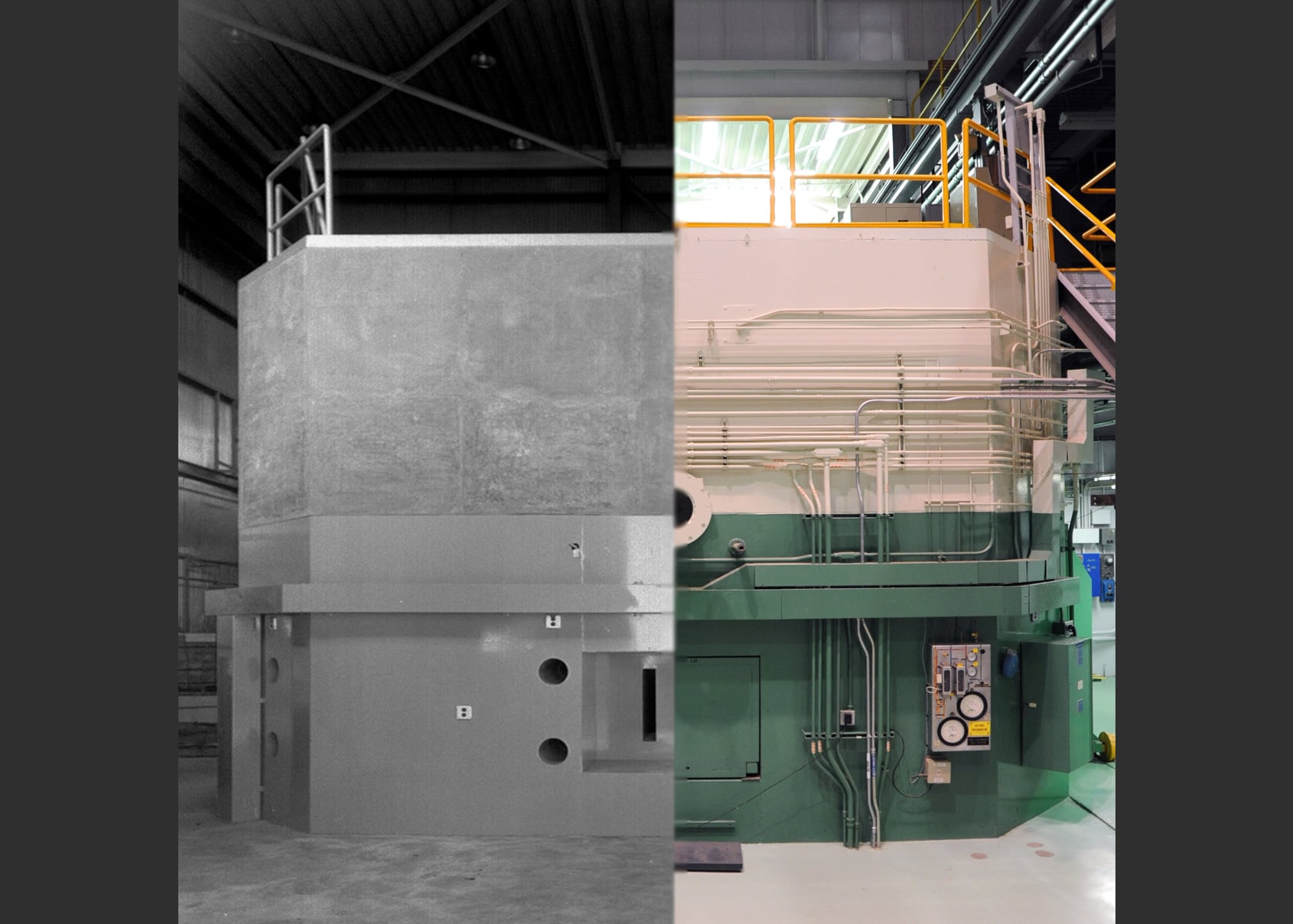
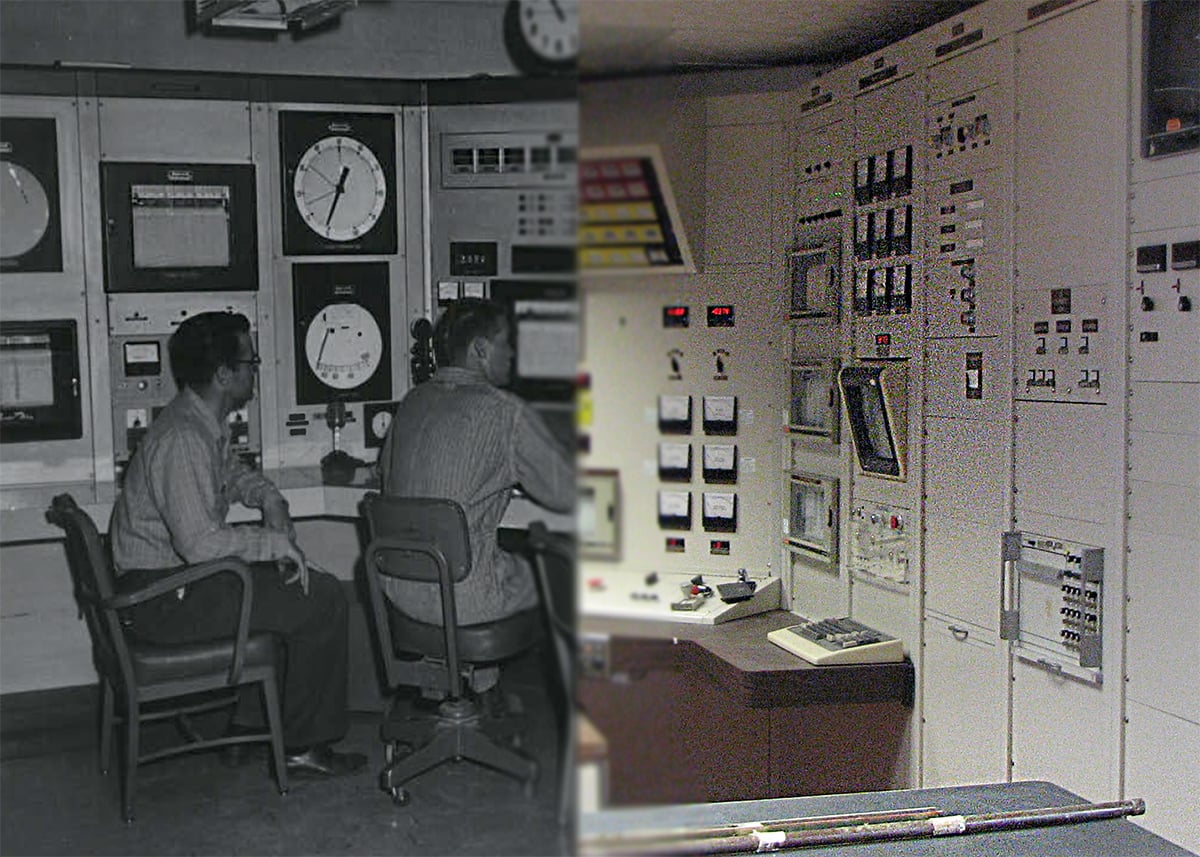
The reactor was shut down in April 1994, a time period during which there was no apparent need for transient testing, and was placed in a safe standby mode. The reactor itself remained fueled during this time and the facility’s material condition was maintained.
2010
Restart Pathway Begins
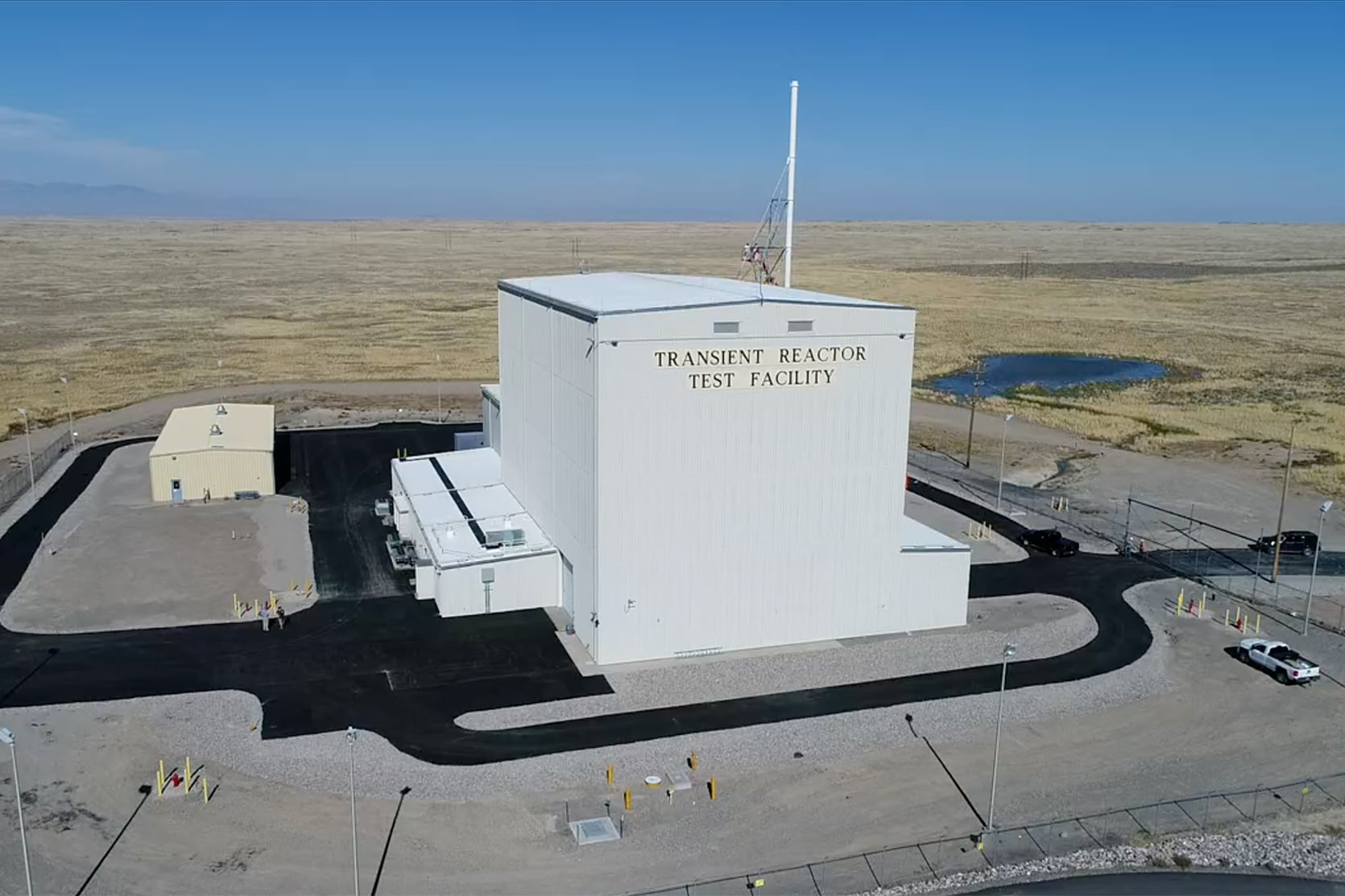
Resumption of Transient Testing was officially underway in December 2010, but it was not until February of 2014 that TREAT was selected by the Department of Energy as the preferred restart choice. The original proposal set the end date as 2018, but TREAT was ahead of schedule and officially restarted in November 2017.
2010-2014
Foundations for Resuming Operations
The Department of Energy recognized the need for transient testing, leading to program authorization and funding. Key milestones included the assignment of a federal program director, appointment of the RTTP director, completion of alternatives analysis, and environmental assessment approval. The restart team was hired, and a knowledge transfer workshop was held to ensure continuity. These foundational steps set the stage for the resumption of TREAT operations.
2015
Reactor Readiness Takes Shape
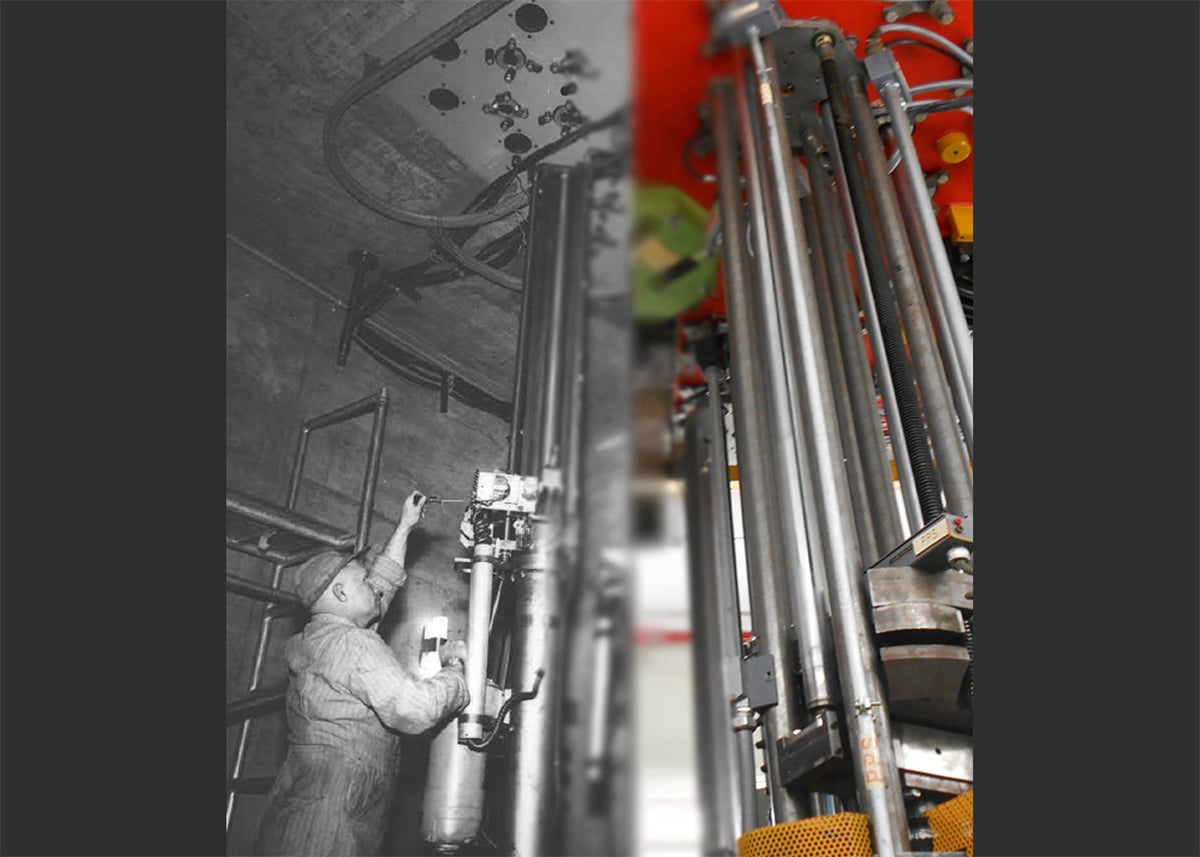
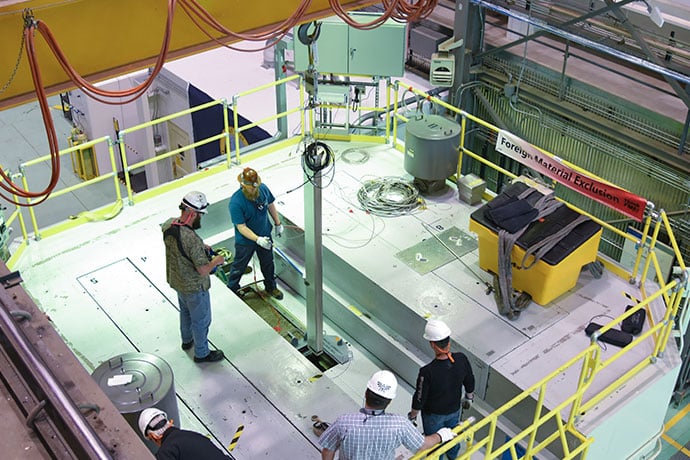
During 2015, the team restored control rod position indication and control capability, initiated rod drive mechanism testing, and qualified reactor operators. Maintenance and functional testing of reactor instrument and control systems were completed, along with fire protection system upgrades. Fuel assemblies were inspected and declared operable, and simulated reactor operations demonstrated system viability.
2016
Readiness Confirmed, TREAT Restarts
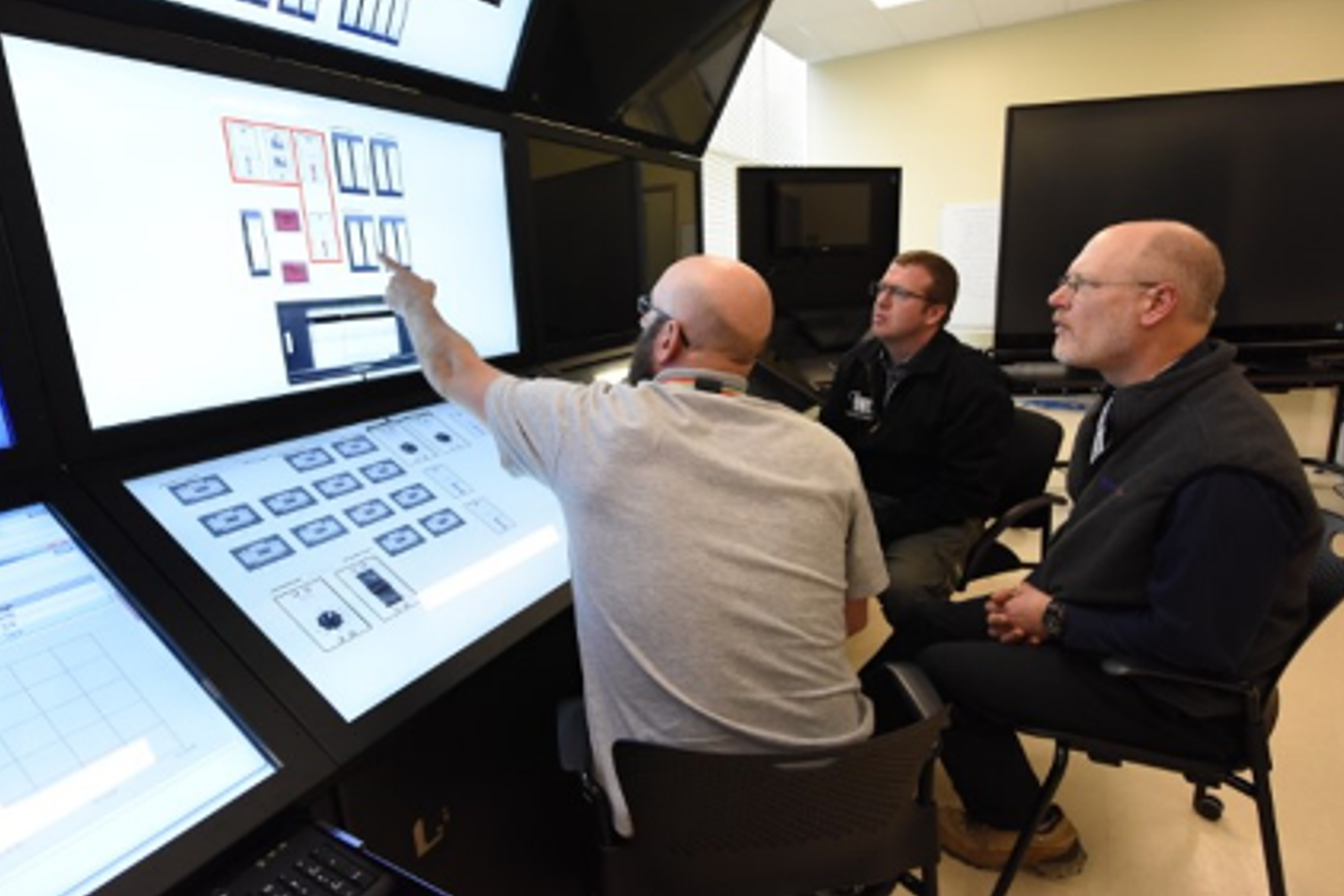
Focused on final readiness, the team completed assessments, operator training, and procedural updates. Restart plans were finalized, safety analysis reports implemented, and simulated operations conducted. All reactor operators received provisional and final certifications, and the reactor was officially declared ready to restart—culminating in the successful return to operations.
2017-Present
TREAT Resumes Full Operations Ahead of Schedule
Resumption of TREAT operations was completed more than a year ahead of schedule and $20 million under budget. Initial criticality was achieved on November 14, 2017, followed by the first transient on January 17, 2018. Unrestricted operations began on February 28, 2018, paving the way for advanced experiments and continued instrumentation development. The team now looks ahead to further experimentation and system enhancements.