
Decision Sciences
Data-driven analysis helps government and industry evaluate hardtech innovations, reduce uncertainty and make informed investment decisions.

The Decision Sciences department at Idaho National Laboratory brings together experts in simulation modeling, geospatial analytics, digital engineering, operations optimization, economics and more. Our expertise in proven quantitative and qualitative methods enable us to produce context-informed insights for decision makers, providing valuable and actionable insight for clients across the energy landscape.
We inform the world’s energy future by analyzing and optimizing supply chains, conducting experiments to understand the efficacy of policy actions in the real-world, and quantifying the constraints physical technologies must meet to scale-up.
We go beyond identifying “what” and “why” to provide stakeholders with insights into “how” and “when.” For example, we show how to effectively utilize existing infrastructure and resources to achieve a new objective and when to make strategic investments based on market trends, policy changes and technology advancements. We assess the impacts of uncertainty on potential outcomes to provide insights that are robust under a range of scenarios.
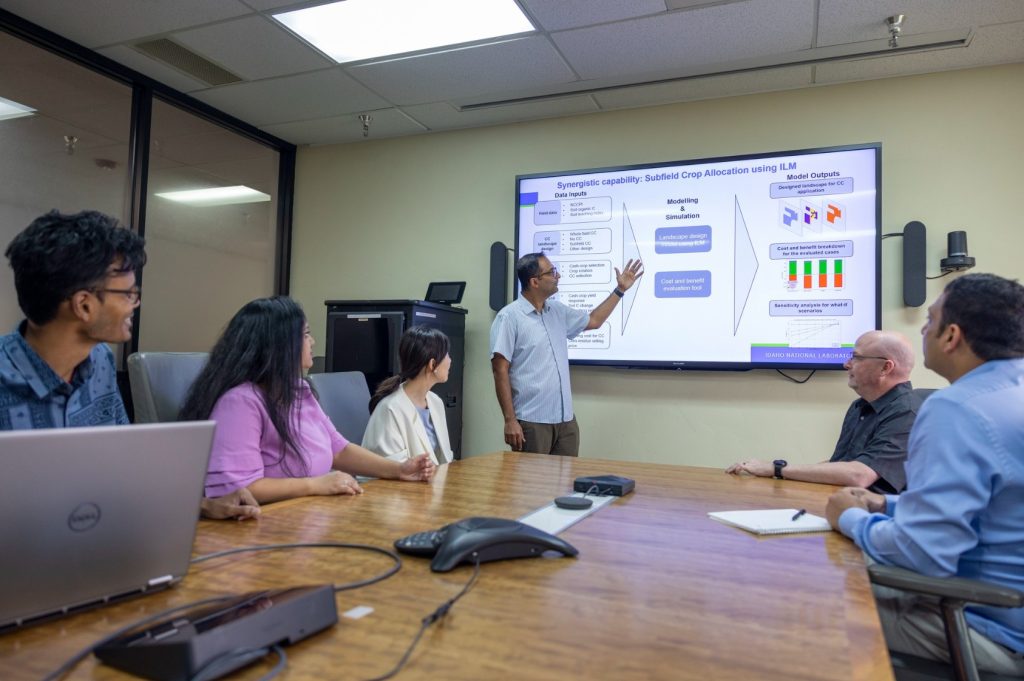
Decision Sciences Overview Brochure
- Core capabilities in modeling, optimization, and analytics
- Case studies across critical materials, EV supply chains, recycling, and infrastructure
- Policy-relevant insights that inform real-world deployment
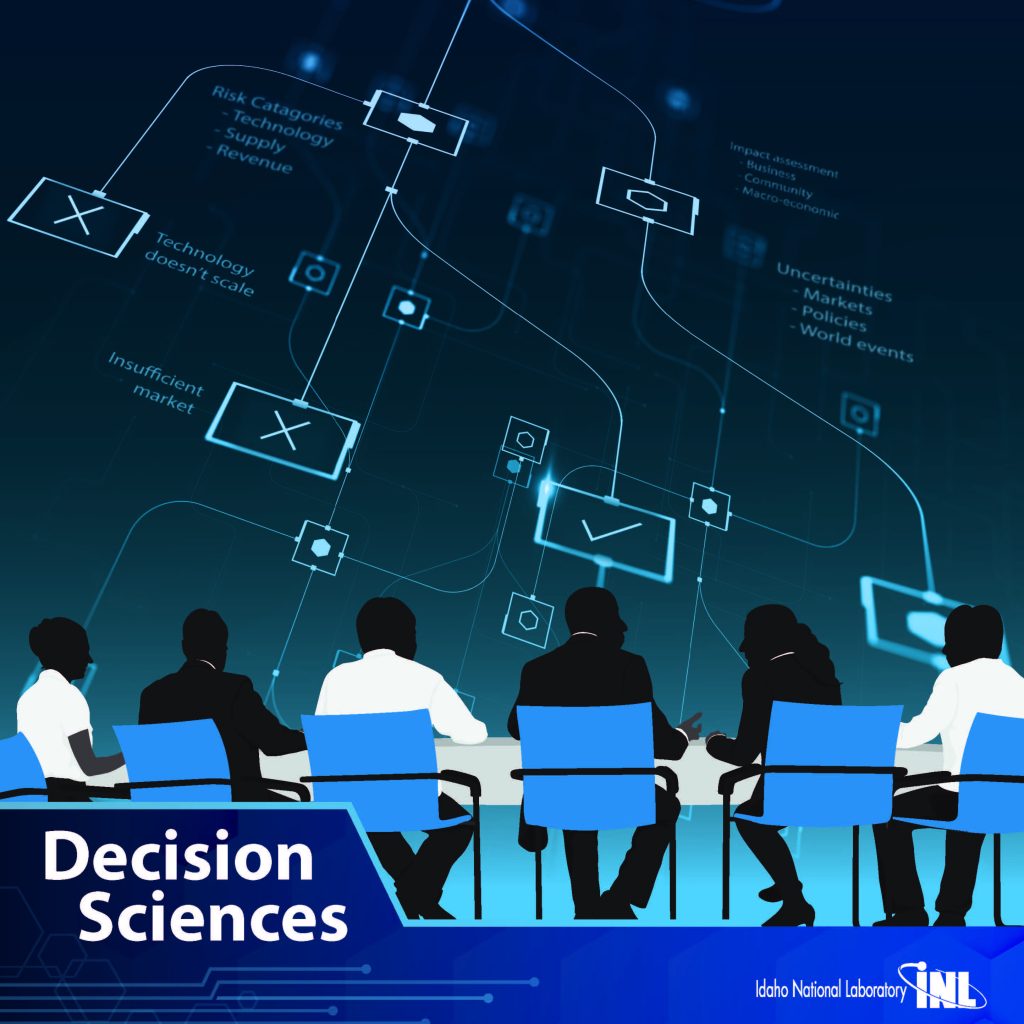
Featured Insights
We leverage insights from mathematics, engineering, computer science, psychology and economics to develop tailored tools using a combination of industry-accepted and novel methodolgoies.
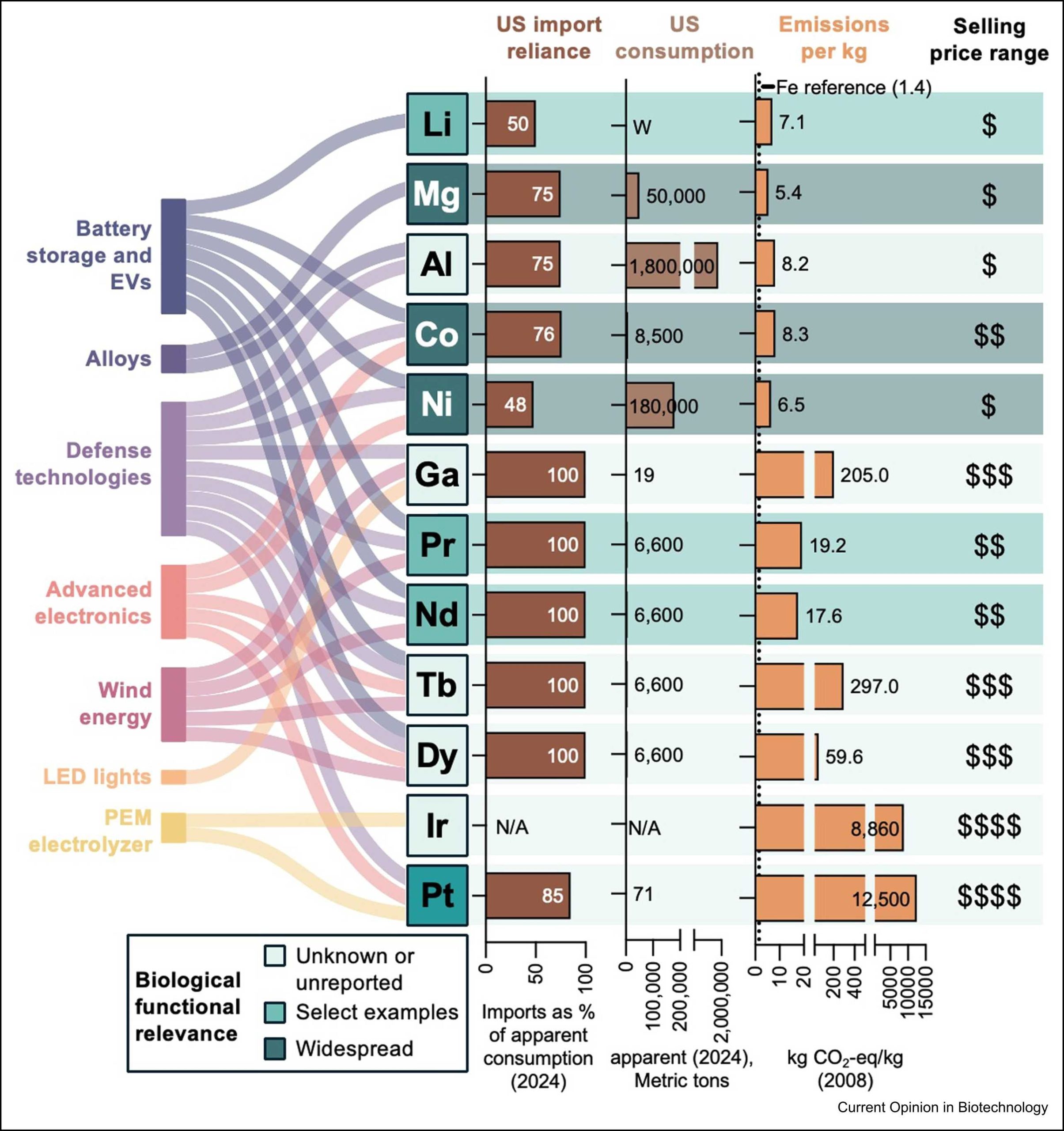
Critical material recovery
Investing in critical material recovery could increase U.S. economic production fivefold and add $30 billion per year to the economy. This would significantly improve national security, strengthen the economy and reduce technology costs for Americans.
Key steps include targeted policy reforms and innovations in mining and recycling. Decision Sciences researchers identified the actions needed to reach this goal through road mapping.
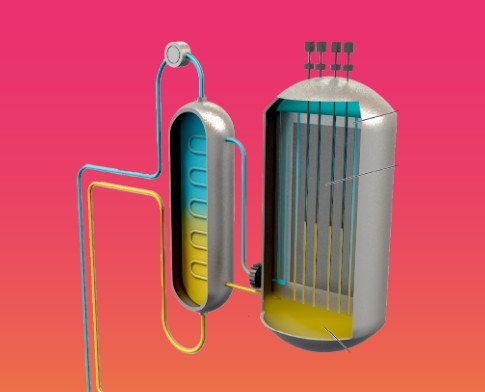
Estimating cost curves for high-temperature gas-cooled reactors
High-temperature gas-cooled reactors and sodium-cooled fast reactors are advanced nuclear technologies that could play a key role in revitalizing U.S. nuclear energy. While early deployments are expensive, Decision Sciences researchers estimate that costs could drop by 27% for high-temperature gas-cooled reactors and 46% for sodium-cooled fast reactors once production scaled and becomes standardized.
Decision Sciences economists develop these estimates to help decision-makers plan policies that support U.S. energy goals.
Fueling the U.S. nuclear renaissance
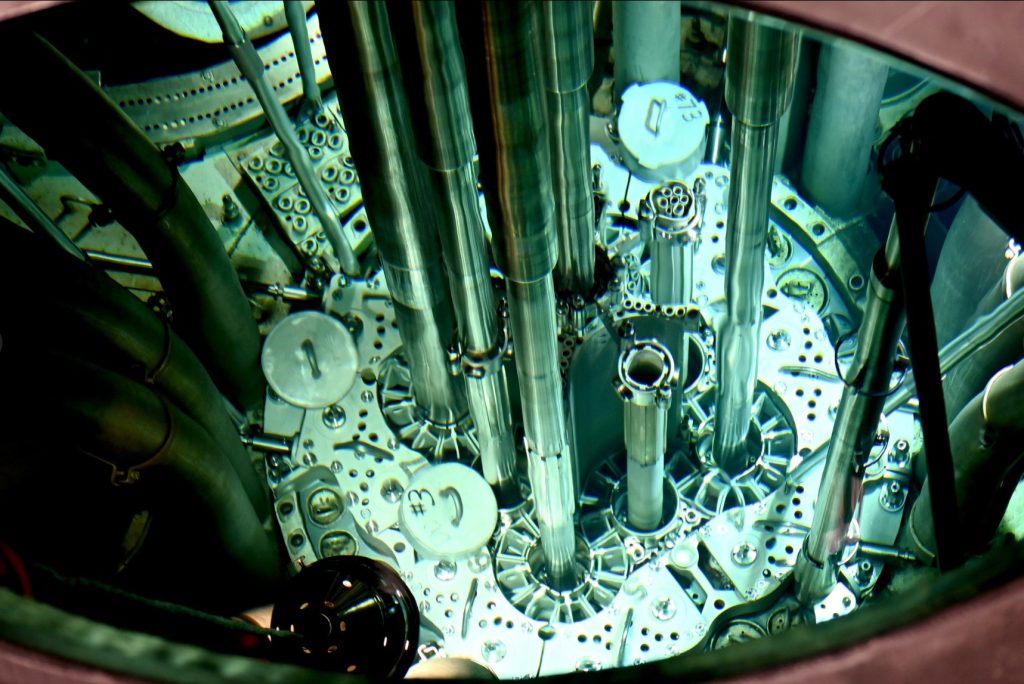
The U.S. aims to operate 400 gigawatts of nuclear power by 2050. Meeting this goal will require coordinated federal and private-sector action, major workforce and resource expansion, 140 million pounds of uranium oxide annually, a 45% increase in utility construction jobs, growth in the reactor operations workforce from 54,000 to 184,000, and secure supplies of critical materials like graphite and lithium—much of which is currently imported.
Decision Sciences researchers analyzed nuclear supply chains to inform policy, identify vulnerabilities, and reduce project risk.
Improving medical imaging equipment security and economics
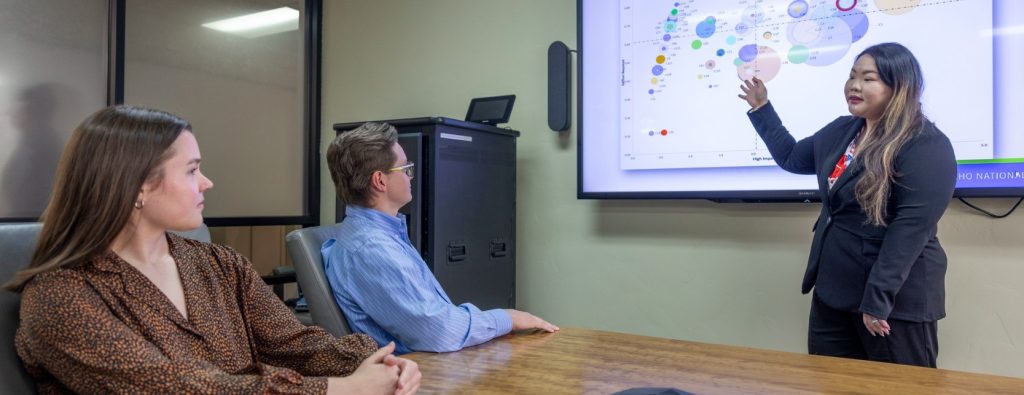
Many medical facilities across the U.S. use cesium-137 (Cs-137), a byproduct of nuclear fission, in radiation therapy. Cs-137 poses a potential security risk because, if stolen, it could be used to build a dirty bomb. X-ray units are equally effective, don’t pose the same risk and can save medical facilities $20,000 per year per device, totaling an estimated $600,000 over a 30-year lifespan.
The federal government is implementing a strategy developed by our Decision Sciences team to collect Cs-137 units and replace them with X-ray devices.
Siting new nuclear plants in energy-producing communities
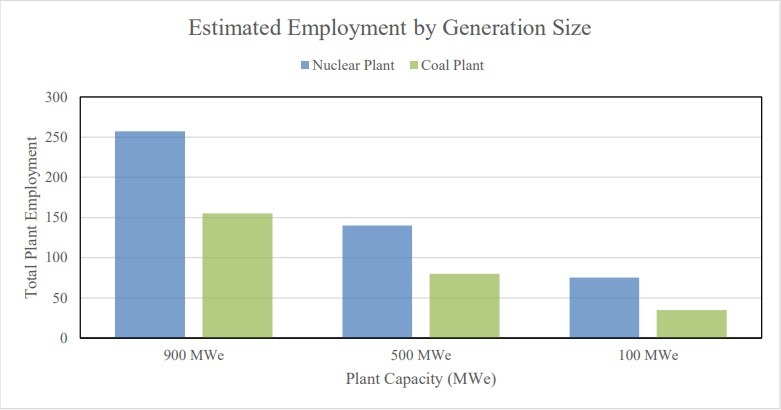
Communities that host coal power plants often have the expertise and infrastructure to support nuclear energy projects. 74% of coal plant workers have skills that can transfer directly to nuclear energy jobs.
In a community where a retiring coal plant was the primary economic driver, Decision Sciences economists found that nearly 1,000 existing jobs could transition directly to a nuclear power plant. These insights are helping local leaders engage with utilities and energy developers to align future projects with community goals.
Strengthening critical material supply chains through electronic waste recycling
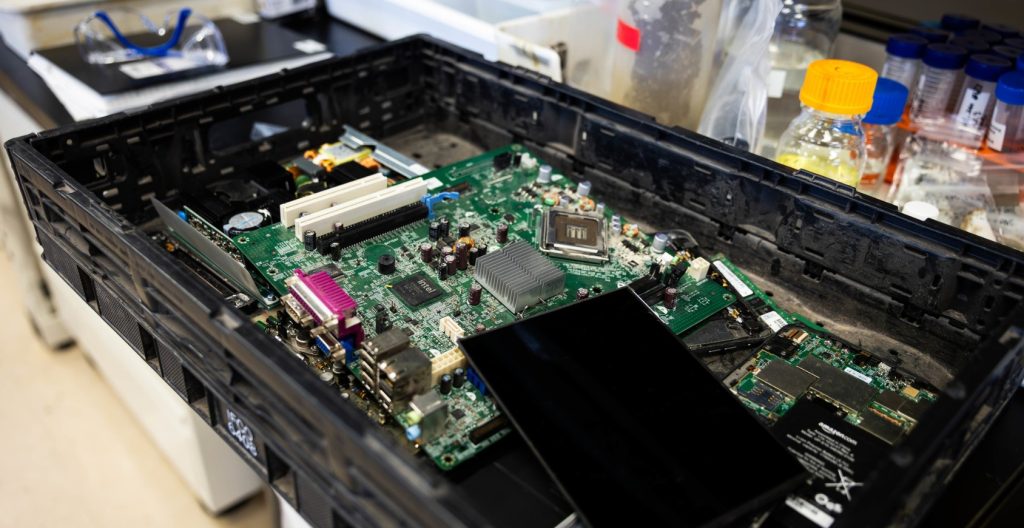
The U.S. produces a significant amount of electronic waste (e-waste) each year. Much of it contains critical materials vital to technologies such as smartphones and defense systems. Public participation in e-waste recycling programs remains low and most of the waste ends up in landfills.
Decision Sciences researchers partnered with communities to test outreach and collection strategies. One partner increased collections by more than 160%, creating three new jobs and providing a model for others to follow.
Decision Sciences: Your analytical partners in hardtech innovation
Idaho National Laboratory’s Decision Sciences department partners with hardtech innovators and energy technology developers to help promising technologies reach the market. By integrating economic, supply chain, policy and adoption analyses early in the design process rather than after costly development work is already done, the team helps innovators identify critical barriers before they become unavoidable expenses. Whether you need market assessments, supply chain analysis, infrastructure planning or AI-driven geospatial insights, Decision Sciences brings structured multidisciplinary expertise to help your technology scale successfully.
Connect with our Team
Navigating uncertainty? Let’s explore what’s possible together.
Partner with us to design resilient strategies and scale energy technologies with confidence.
Contact Us