Overseen by the Advisory Council on Historic Preservation (ACHP), Section 106 of the National Historic Preservation Act requires federal agencies, including the U.S. Department of Energy, to consider how their projects may affect historic properties. At Idaho National Laboratory, historic properties include archaeological sites, historic buildings and structures, and places of cultural importance to the Tribes. The Section 106 process also provides opportunities for interested parties to participate in the protection and preservation of historic properties.
During this process, a project may be found to have an adverse effect, meaning it alters the characteristics that make a historic property significant. If a project cannot be modified to avoid or minimize harm, mitigation is used to address those effects.
How mitigation is developed
Mitigation measures are developed through consultation with the Shoshone and Bannock Tribes, the Idaho State Historic Preservation Office and other consulting parties, such as the city of Idaho Falls, as appropriate.
Why mitigation matters
The purpose of Section 106 mitigation is not to prevent work, but to balance project needs with responsible cultural resource management by addressing effects before project activities move forward. Through mitigation, INL helps preserve information about the region’s past, respects the cultural values of stakeholders, and fulfills its responsibility as a steward of federal lands.
What can mitigation look like?
Mitigation takes different forms depending on the historic property and the effects of a project. At INL, examples include digital documentation, photographic documentation and archaeological investigation.
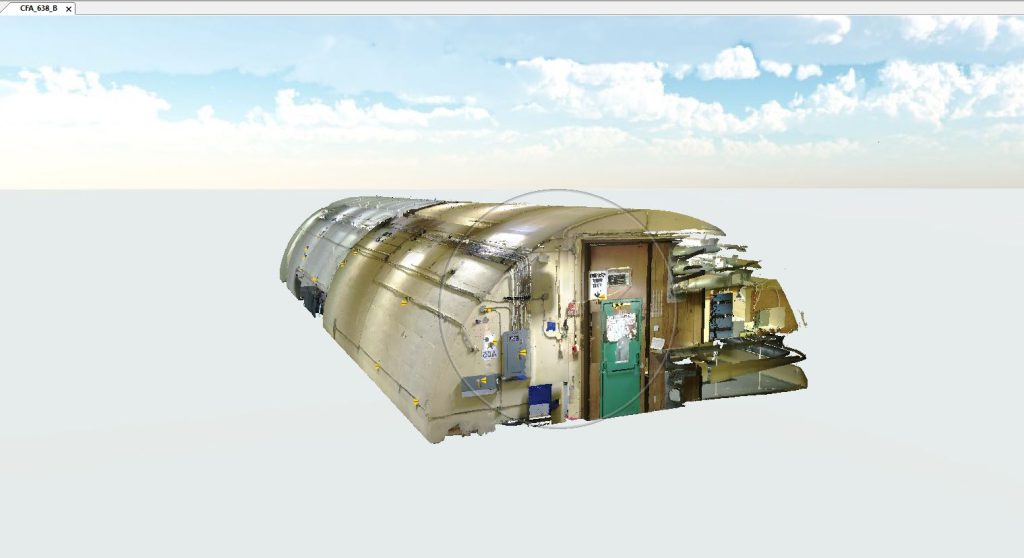
Digital Documentation
LiDAR model, CF-638 mitigation
LiDAR and 3D modeling can create a detailed digital record of a historic resource.
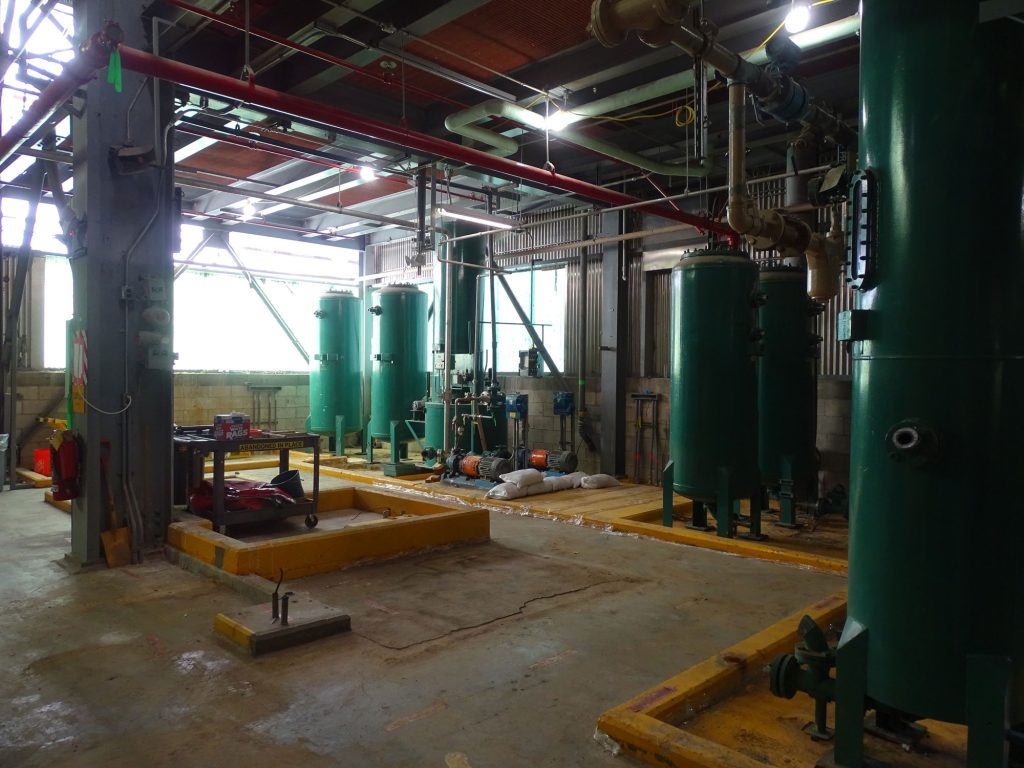
Historic Documentation
Demolition photography, MFC-768 mitigation
Photography can document historic buildings, structures and features before they are altered or removed.
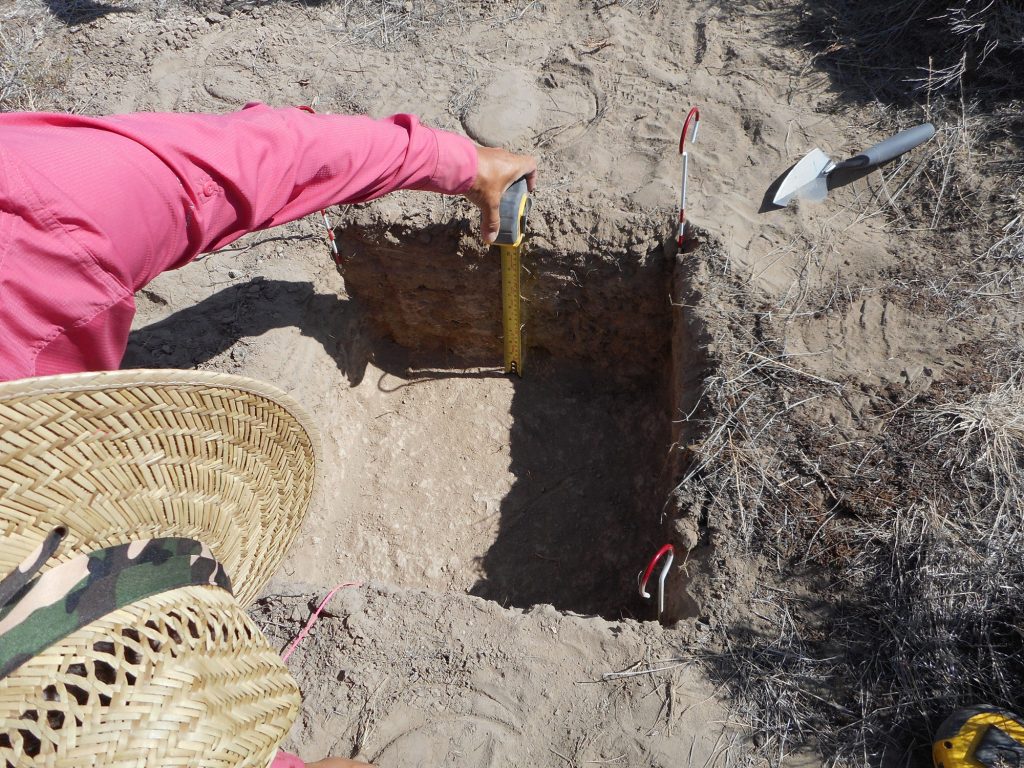
Archaeological Investigation
Test excavation, Power Grid Test Bed mitigation
Excavation and analysis can document archaeological resources and preserve information about them.
Mitigation Projects
Mitigation projects address effects to historic properties through measures developed for the specific resource and project.
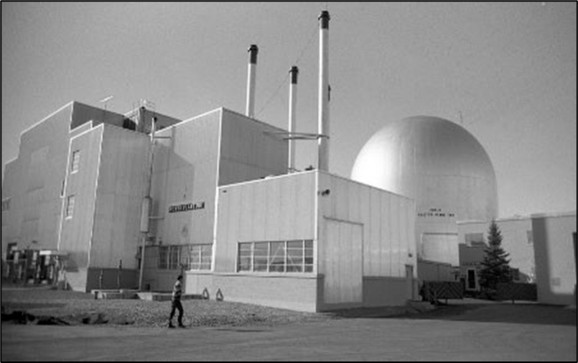
MFC-768: Nuclear + Water = Electricity
MFC-768 played an important role in the Experimental Breeder Reactor II (EBR-II) operations. Interpretive materials developed as part of the mitigation document the building’s historic functions and the water treatment area affected by demolition.